AI jobs disruption is accelerating across industries, yet economists warn a labor shortage is looming. How can both be true? While companies announce AI-driven layoffs and automate entry-level tasks, sectors like healthcare, education, and skilled trades say they can’t find enough experienced workers. The contradiction reflects a deeper shift in the future of work. Demographics are shrinking the workforce, and AI is reshaping which skills truly matter. The result isn’t simply fewer jobs—it’s a fundamental redesign of human roles.
According to workforce analysis from Lightcast, the United States could face a significant labor shortage by the early 2030s. Aging populations and declining birth rates mean experienced workers are retiring faster than younger cohorts can replace them. In advanced economies, this demographic squeeze is intensifying year by year. While automation reduces some tasks, it doesn’t replace decades of applied judgment overnight. Experience is exiting the system at scale. That imbalance is driving structural tension across the labor market.
AI Job Losses vs. Labor Shortage: A Structural Shift
For decades, many operating models assumed labor would always be available. When hiring was easy, inefficiencies in workflows and administration were tolerated. Now, as retirements accelerate and workforce growth slows, those inefficiencies are becoming expensive. At the same time, AI is dramatically lowering the cost of generating and coordinating knowledge.
Research from Anglia Ruskin University suggests that as AI automates routine cognitive work, the scarce resource shifts upward to human judgment. Interpretation, contextual decision-making, and integration of complex information become more valuable—not less. This explains the paradox: AI may replace tasks, but it increases demand for deeper expertise. The future of work will reward organizations that design systems around human leverage, not human redundancy.
Healthcare Shows Why AI Won’t Replace Human Expertise
Healthcare offers a clear example of the AI jobs paradox. Much of a clinician’s time is spent on documentation, intake forms, and administrative coordination rather than direct patient care. AI tools can automate note drafting, monitor patient data remotely, and route cases more efficiently. Predictive analytics can flag health risks earlier and streamline follow-up processes.
Yet none of this replaces the clinician’s judgment or trust-building role. Instead, AI removes surrounding friction so scarce medical expertise is applied where it matters most. As healthcare systems confront staffing shortages, redesigning workflows becomes essential. The goal is not to eliminate doctors and nurses—it is to amplify their impact.
Education at the AI and Workforce Crossroads
Education is experiencing a similar inflection point. AI-powered tutoring platforms can now deliver personalized instruction and real-time feedback at scale. Students increasingly question the cost of traditional models when knowledge delivery can be automated. Content transmission, once the core of teaching, is becoming increasingly digitized.
This shift does not make educators obsolete. It changes their center of gravity. Teachers and professors must focus on mentorship, critical thinking, collaboration, and human development—areas AI struggles to replicate authentically. As the workforce shrinks, education systems must prioritize cultivating depth over distributing information.
Skilled Trades and the AI Augmentation Effect
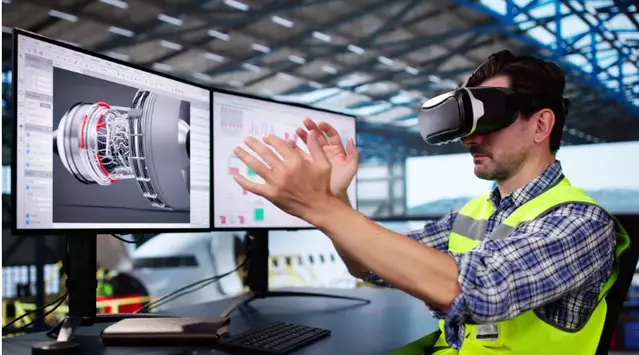
Skilled trades are often described as automation-resistant because they involve hands-on, variable environments. However, AI is beginning to reshape these roles as well. Embedded diagnostics, augmented reality repair guides, and intelligent tools are lowering the barrier for first-level troubleshooting. Less experienced workers can resolve issues that once required a specialist.
Over time, this changes how expertise is deployed. Instead of needing more hands, industries will require deeper oversight and advanced technical judgment when automated systems reach their limits. The constraint shifts from physical labor to cognitive expertise. That transformation contributes to the broader labor shortage narrative.
The Future of Work Demands Human-Centered Redesign
The AI jobs crisis is not simply about elimination—it’s about evolution. Demographic decline tightens labor supply while automation reshapes demand for tasks. Organizations that fail to redesign work will feel the squeeze most acutely. Those that identify where human judgment creates disproportionate value—and strip away surrounding inefficiencies—will gain a competitive edge.
In the coming decade, success won’t depend on replacing people with AI. It will depend on pairing technology with scarce human expertise. The looming labor shortage is less a contradiction and more a signal: the future of work belongs to systems that amplify human depth in an AI-powered world.














Comment