Journalists being silenced is no longer a distant fear—it’s becoming a disturbing reality in American media. Many people are asking: Why are reporters being arrested for documenting protests? Why are prominent voices being fired or pushed out? And what does this mean for the future of journalism? Recent events suggest press freedom is facing growing pressure from both institutions and platforms. What’s unfolding is not just about individual careers, but about the public’s right to know.
Journalists Arrested for Reporting Sparks Press Freedom Alarm
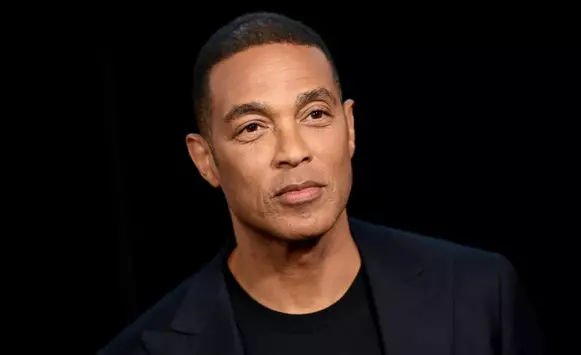
A new flashpoint emerged when former CNN anchor Don Lemon and independent journalist Georgia Fort were arrested while livestreaming anti-ICE protests during a church service in Saint Paul, Minnesota. Importantly, neither participated in the protest itself—they were documenting events as they happened. Many critics immediately called the arrests an attack on press freedom and First Amendment protections. Both were later released, but the message sent was chilling. When journalists face detention simply for reporting, the profession enters dangerous territory. The line between coverage and criminalization begins to blur.
A Growing Pattern of Journalists Being Fired and Pushed Out
These arrests are not happening in isolation. Over the past few years, there has been a noticeable wave of journalists being fired, sidelined, or silenced across major media spaces. Progressive outlets have shrunk or disappeared, and Black journalists and media personalities have been removed from high-profile roles. Names like Karen Attiah, Joy Reid, and Tiffany Cross have been cited in broader conversations about who gets pushed out—and why. These departures often raise uncomfortable questions about editorial control and political pressure. The result is a media ecosystem that feels narrower and less diverse.
Social Media Censorship Is Reshaping Modern Journalism
Today, journalism doesn’t just happen in newsrooms—it happens online, in real time, across social platforms. That’s why censorship on Instagram, Facebook, TikTok, and X has become a central concern. Human Rights Watch reported “systemic online censorship” of pro-Palestinian content in late 2023, highlighting how algorithms can suppress certain political narratives. When digital platforms decide what content is amplified or hidden, they effectively become gatekeepers of public truth. For journalists, this means the fight for visibility is now part of the job. Press freedom increasingly depends on platform policies.
Media Ownership and Tech Power Are Creating a New Oligarchy
Behind these censorship concerns lies a deeper structural issue: who owns the platforms where people consume news. Critics argue that the media landscape is beginning to resemble a tech oligarchy, where a small group of billionaires and corporations shape information flows. Changes in leadership at major networks and shifts in control over platforms like TikTok have intensified these fears. When corporate interests and political alliances influence algorithms and editorial decisions, independent journalism becomes harder to sustain. Control of narrative becomes control of democracy itself. This is not just a media issue—it’s a power issue.
Meta Blocking Content Highlights the New Battleground
The Daily Beast recently reported that Meta was blocking access to a leaked list identifying thousands of ICE and Border Patrol employees. Regardless of one’s political stance, the incident reflects a larger reality: social platforms now act as arbiters of what the public can see. For years, activists and journalists have warned that more radical or progressive voices are disproportionately suppressed. Content moderation is often framed as safety, but it can also become censorship when applied unevenly. These decisions shape what stories survive online. Journalism is increasingly at the mercy of private tech policy.
Silencing Journalists Is About Controlling the Narrative
When journalists are arrested, fired, or algorithmically buried, the consequences extend beyond the individuals involved. These tactics often function as deterrence—warnings to others who might document uncomfortable truths. Silencing is not always loud; sometimes it looks like job loss, deplatforming, or subtle editorial pressure. The goal is often the same: control the narrative and reduce dissenting perspectives. In moments of political tension, truth-telling becomes threatening to those in power. That is why journalism has always been a target.
Documentation Has Always Been a Form of Resistance
History shows that in every era, people dissatisfied with the status quo have documented reality as resistance. Whether through newspapers, photography, film, poetry, or livestreams, storytelling has been a tool for accountability. What’s different now is that journalists no longer need massive institutions to publish—independent voices can reach millions directly. That democratization of media is powerful, but it also makes independent journalists more vulnerable. Without corporate protection, they face greater risks. Still, documentation remains essential in times of crisis.
The Future of Journalism Depends on Defending Press Freedom
The silencing of journalists is not just a professional issue—it’s a democratic emergency. A free and fair press is one of the strongest safeguards against authoritarian control, corruption, and misinformation. When journalists cannot report without fear, society loses access to truth. The future of the profession depends on resisting censorship, defending First Amendment rights, and protecting those who document reality. Journalism is not a luxury—it is infrastructure for democracy. And the fight to preserve it is becoming more urgent by the day.












Comment