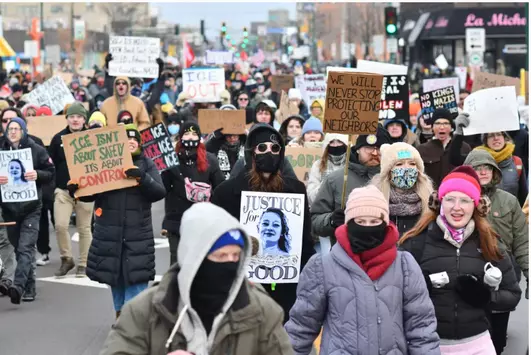
What can Minnesota teach the rest of the country about resistance right now? In recent weeks, mass protests, a one-day general strike, and widespread business closures in Minneapolis have drawn national attention, even as temperatures plunged below minus 20 degrees Fahrenheit. Tens of thousands of residents joined demonstrations and economic boycotts organized by faith leaders, responding to heightened tensions following fatal shootings and increased federal enforcement activity. For many Americans, this moment feels sudden. For Minnesota, it is part of a much longer story. The state’s history shows how resistance forms, sustains itself, and adapts under pressure.
Minnesota Resistance Is Rooted in Labor and Civil Rights History
Long before today’s demonstrations, Minnesota helped shape modern labor and civil rights movements. The 1934 Minneapolis Teamsters strike laid critical groundwork for the National Labor Relations Act signed into law in 1935. That strike united drivers, warehouse workers, and unemployed residents into a single force, showing the power of coordinated action. Minnesota was also among the first states to pass workers’ compensation laws, setting national precedents. In 1973, the Minnesota Human Rights Act became one of the strongest civil rights laws in the country. These wins didn’t happen spontaneously; they were the result of sustained resistance over decades.
Minneapolis and the Legacy of Modern Uprisings
For many people, Minnesota is inseparable from the murder of George Floyd and the global uprising that followed. That moment revealed both the brutality of systemic harm and the scale of collective response possible when communities mobilize. Minneapolis also gave rise to the American Indian Movement, a grassroots force that reshaped Indigenous rights activism nationwide. These events form a pattern rather than an exception. Minnesota repeatedly becomes a catalyst when pressure reaches a breaking point. Resistance here tends to ripple outward, influencing national conversations.
Documenting Harm as a Form of Resistance
One of the clearest lessons from Minnesota resistance is the power of documentation. The video recorded by then-17-year-old Darnella Frazier fundamentally altered public understanding of George Floyd’s killing. Without documentation, many abuses remain invisible or easily dismissed. Minnesotans continue to use phones and records to bear witness to harm in real time. Documentation creates accountability, preserves truth, and fuels collective memory. In moments of crisis, recording what happens can be the first act of resistance.
Technology Can Amplify Resistance—With Limits
Technology plays a complicated role in modern resistance movements. While mass surveillance and data tracking present real risks, digital platforms also allow stories from Minnesota to spread far beyond state borders. Social media posts, videos, and firsthand accounts have made local events nationally visible within hours. At the same time, algorithms and content suppression can quietly limit reach. Minnesota’s experience shows the importance of pairing online visibility with offline community ties. Resistance becomes stronger when digital tools support, rather than replace, real-world organizing.
Coalition Building Strengthens Minnesota Resistance
Another defining feature of Minnesota resistance is coalition building. Recent strikes and boycotts were coordinated through networks of faith leaders, workers, and local businesses. This approach mirrors earlier movements that succeeded by uniting groups with different roles but shared goals. Coalitions distribute risk, broaden participation, and sustain momentum when pressure intensifies. Minnesota demonstrates that resistance is rarely effective in isolation. Collective action turns individual outrage into durable power.
Resistance Thrives Through Community Memory
Minnesota’s history shows that resistance is not just reactive—it is learned and passed down. Each generation draws from past victories, failures, and strategies. Labor strikes inform civil rights organizing, which in turn shapes today’s protests and boycotts. This continuity helps movements survive beyond single moments of crisis. Community memory becomes a strategic asset. Resistance lasts longer when people understand they are part of something bigger than one event.
What Minnesota Resistance Teaches the Rest of Us
The central lesson from Minnesota resistance is that endurance matters more than spectacle. Sustainable movements rely on documentation, technology used wisely, and strong coalitions rooted in trust. They grow from history, not just headlines. Minnesota reminds us that resistance is rarely comfortable or quick. But when communities organize with clarity and solidarity, their impact can reshape laws, narratives, and the future itself.




Array