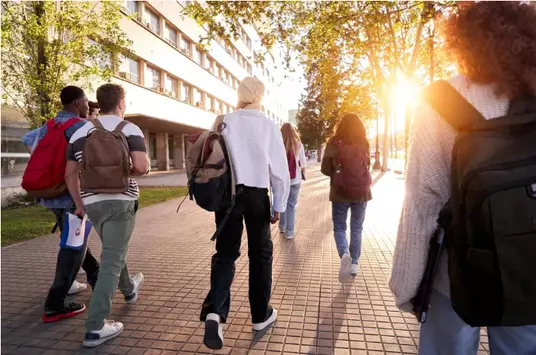
College is no longer the only path students consider after high school, and families across the U.S. are actively rethinking what success looks like. For decades, the formula was clear: earn good grades, attend a four-year university, and secure a stable career. That narrative is now under pressure from rising tuition costs, shifting workforce needs, and new ways to access skills. Students are asking whether a degree is necessary for their goals. Increasingly, the answer depends on the career—not tradition.
The link between a four-year degree and economic security once felt automatic. Universities held a near monopoly on postsecondary education, making college synonymous with opportunity. Today, information and training are widely accessible online and through alternative programs. Employers are placing more value on skills, credentials, and experience. As a result, enrollment at traditional colleges has declined nationwide. Families are weighing return on investment more carefully than ever.
Educators say the conversation is shifting toward starting with a career goal. Instead of treating college as the destination, students are encouraged to define where they want to end up professionally. From there, they can choose the education or training that best supports that outcome. Options now include career and technical education, dual enrollment, industry credentials, apprenticeships, and community college programs. Many students combine multiple pathways to stay flexible. This approach replaces assumption with intention.
High schools are increasingly exposing students to a wider range of postsecondary options. Career and technical education programs allow students to gain hands-on skills before graduation. Work-based learning opportunities introduce real-world experience alongside academics. Two-year degrees and certifications provide faster entry into well-paying fields. These pathways are no longer fringe alternatives. They are becoming mainstream routes to economic stability.
Despite growing interest, choosing something other than college can still carry stigma. Research shows that while perceptions are improving, many students believe vocational and technical paths are undervalued. Families, however, are becoming more pragmatic. Rising student debt and uncertain job outcomes are reshaping decisions. Social media has also played a role by showcasing diverse career journeys. Visibility is helping normalize multiple definitions of success.
Effective career planning now starts well before senior year. Schools are embedding structured career exploration into the high school experience. Students are encouraged to assess interests, strengths, and lifestyle goals early. Exposure to professionals through job shadows, internships, and career fairs adds critical context. These experiences help students make informed decisions rather than default choices. Planning becomes proactive instead of reactive.
The distinction between college and technical training is increasingly artificial. Many programs now blend both, offering credentials alongside academic credit. Partnerships between schools, employers, and community colleges create seamless transitions. Students can move directly into jobs or continue their education without losing momentum. This flexibility reflects how careers actually evolve. Learning no longer follows a single straight line.
What concerns educators most is not which path students choose, but whether they have a plan. Graduating without direction leaves young people vulnerable in a complex economy. Schools play a key role in helping students understand wages, career mobility, and long-term opportunities. Clear roadmaps empower students to connect education with real outcomes. As the conversation shifts, one truth is clear: college remains a great option, but it is no longer the only one.
Access our platform effortlessly on-the-go through our user-friendly mobile apps.





Comment