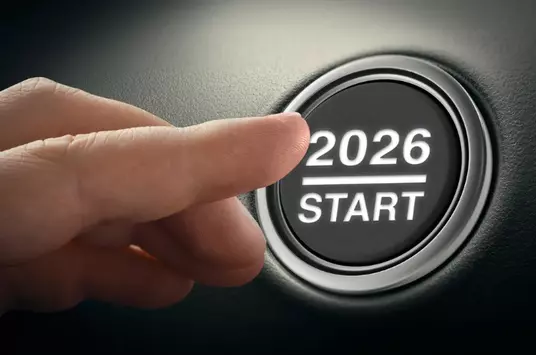
As 2026 begins, many professionals are setting career resolutions with hope—and quiet skepticism. Why do so many career goals fade by February, even when motivation feels strong in January? Research shows the issue isn’t discipline or planning but how goals are emotionally framed from the start. Most people begin with tactics before addressing motivation. That disconnect explains why well-written goals still collapse. The missing start for 2026 career resolutions isn’t strategy. It’s mindset.
Studies show nearly 94% of resolutions fall apart within two months, including career-related goals. People often look back at 2025 feeling stuck, frustrated, or behind. In response, experts typically recommend breaking goals into smaller steps and tracking progress. While practical, this advice skips the emotional foundation that drives follow-through. Action without emotional alignment creates resistance. When goals feel heavy or forced, consistency becomes exhausting. That’s why many career resolutions fail before momentum builds.
The language behind your 2026 career resolutions matters more than most people realize. Words like should, must, and have to create pressure rather than motivation. Psychologists describe this as shame-based self-talk that triggers internal resistance. When goals feel imposed—even by yourself—your brain pushes back. This is why people procrastinate on goals they claim to want. The issue isn’t laziness; it’s emotional conflict. Career goals framed as obligations drain energy instead of fueling it.
Career resolutions that stick are driven by want-to motivation, not have-to pressure. Want-to goals are internally meaningful and connected to personal values. They feel chosen rather than imposed. Research consistently shows that internally motivated goals face fewer obstacles and higher follow-through. When you genuinely want a promotion, skill, or career shift, effort feels lighter. Progress becomes reinforcing rather than punishing. This emotional shift is the missing start most people overlook.
Many professionals believe they need stronger discipline to change careers or habits. In reality, they may be fighting their own motivation style. When goals are framed as survival, approval-seeking, or fear-driven, burnout follows. The mind treats those goals as threats rather than opportunities. That’s why confidence erodes even when performance stays strong. The tension isn’t personal failure—it’s misaligned motivation. Fix the framing, and progress becomes sustainable.
Not every career task will feel inspiring, and that’s normal. The key is reframing required work to include something personally meaningful. For example, a dull assignment may offer learning, visibility, or collaboration you value. Shifting focus restores a sense of choice. Instead of feeling controlled by work, you regain agency. This small mental adjustment reduces resistance dramatically. Over time, it builds consistency without emotional exhaustion.
As habit experts note, replacing “I have to” with “I get to” changes how the brain processes effort. The task doesn’t change, but your relationship to it does. “You get to” signals opportunity rather than obligation. That shift increases follow-through and emotional resilience. Career progress becomes something you participate in, not endure. This is especially powerful during setbacks. Language shapes persistence more than willpower.
The most effective 2026 career resolutions start with compassion, not pressure. Setbacks are part of growth, not evidence of failure. Self-compassion increases resilience, motivation, and long-term success. When internal dialogue becomes supportive instead of critical, recovery is faster. Career progress stops feeling fragile. By choosing want-to goals and supportive language, you build momentum that lasts. That’s how career resolutions finally stick.
Access our platform effortlessly on-the-go through our user-friendly mobile apps.








Comment