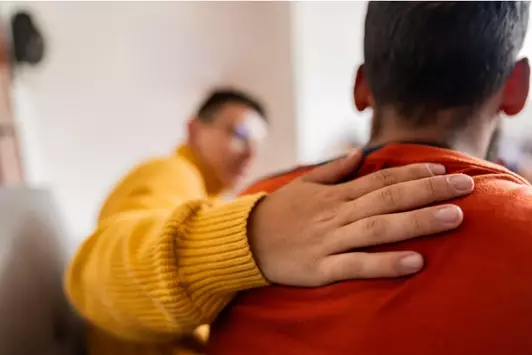
Would you donate a kidney to a stranger, or risk your own safety to help someone you’ve never met? In an era often described as lonely and disconnected, stories of generosity still surface with surprising frequency. Psychologists and behavioral scientists say helping others is not random—it follows identifiable patterns rooted in empathy, identity, and empowerment. From organ donation to everyday acts of kindness, understanding why people help strangers reveals something essential about human nature. It also explains why these actions feel so meaningful. The answers matter for families, workplaces, and entire communities.
Across communities, real needs are impossible to ignore. Deven Wilson, a high school senior living with a rare autoimmune disorder, spends hours each week on dialysis while hoping for a kidney donor. His condition makes everyday teenage experiences—sports, school, friendships—far more difficult. In another case, Ed Bombas, an 88-year-old veteran, returned to full-time work after losing his pension and facing mounting medical bills. Strangers eventually stepped in, donating enough to allow him to retire again. These stories are not rare exceptions. They are reminders that help often comes from unexpected places.
Researchers consistently find empathy at the heart of helping behavior. Even toddlers as young as 19 months demonstrate concern for others by sharing food or picking up dropped objects. When adults feel empathy “for” someone—truly imagining life in their position—they are more likely to take action. This emotional engagement motivates compassion rather than avoidance. Studies show that empathy-focused responses lead to stronger communities and more sustained generosity. Feeling for others, not just about them, turns concern into action.
People are also more likely to help when they recognize something of themselves in someone else. Research shows that seeing oneself as a moral person increases the likelihood of helping strangers. Shared identity plays a powerful role, whether it’s living in the same city, parenting children of similar ages, or facing comparable hardships. When people relate to another person’s experience, generosity increases. That’s why community-driven giving campaigns often succeed. Familiarity and connection reduce psychological distance.
Helping is more likely when people can clearly imagine how their actions will make a difference. Visualizing specific steps—driving someone to an appointment or making a targeted donation—creates a sense of competence. This mental rehearsal increases follow-through. Researchers have also found that experiences of awe, such as being in nature, increase prosocial behavior. Awe shifts attention away from the self and toward the collective good. When people feel small in a positive way, they often feel more empowered to help.
Helping others doesn’t just benefit the recipient—it changes the helper too. Studies show that generosity activates parts of the brain associated with happiness and reward. This “warm glow” effect appears across cultures and age groups. People who help are also viewed more positively by their communities, especially when they assist strangers. These social and emotional rewards reinforce future generosity. Over time, helping becomes part of how people define themselves.
When individual acts of generosity are combined, their impact multiplies. New platforms are emerging to track and amplify collective action, helping people see how small efforts add up. Research suggests that visible momentum increases participation and meaning. When people realize their contribution matters, they are more likely to keep giving. Collective generosity strengthens social bonds and builds trust. It turns isolated kindness into shared purpose.
Helping a stranger creates ripple effects that extend far beyond one person. Families, friends, and entire communities benefit when someone steps in at the right moment. In a world marked by uncertainty, polarization, and rapid change, generosity offers stability and hope. You don’t need a specific personality type or special resources to help. What matters is noticing need and choosing action. At a time when connection feels fragile, helping others may be one of the most powerful ways to rebuild it.


Copyright © 2026


Comment