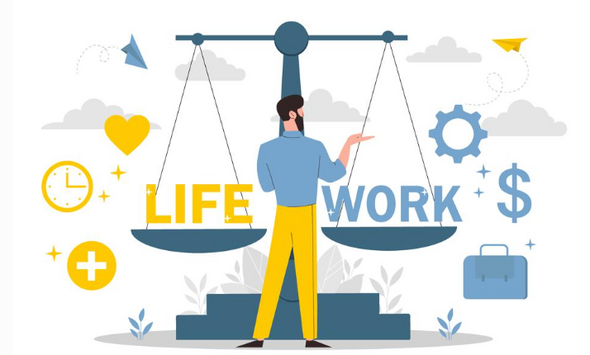
For years, professionals have been told to strive for work-life balance—as if work and life could be placed into neat, separate boxes. But in reality, balance is rarely achievable. Technology blurs the boundaries, personal priorities shift, and unexpected events disrupt routines. No wonder research shows that nearly 6 in 10 employees have considered leaving a job because their work-life balance was off. Instead of chasing balance, the healthier approach is integration: designing life so that work and personal roles complement each other rather than compete.
Work and Life Are Interconnected
The first reason work-life balance is a myth is simple: work and life are not separate. A meeting can overlap with childcare responsibilities; a personal appointment can cut into work hours. Trying to force strict separation only creates stress. A better approach is flexibility. Use tools like calendar color coding to visualize overlaps, shift work blocks around personal tasks, and allow life’s realities to flow together. Treating work and life as parts of the same system allows you to reduce friction and feel more in control.
Balance Demands Perfection, But Flexibility Wins
Another reason work-life balance doesn’t work is that it suggests perfection—a standard that no one can realistically maintain. Some weeks, work will demand more of your time. Other weeks, personal responsibilities will take priority. Instead of feeling guilty about imbalance, embrace flexibility. Allow your focus to rotate depending on the season you’re in. Over time, you’ll create a rhythm that feels sustainable without the pressure of forcing both sides to stay equal every single day.
Integration Builds Sustainability
Chasing balance often leaves people feeling guilty and stressed, while integration creates long-term sustainability. Integration means designing routines that serve both work and life simultaneously. For example, take walking calls to combine movement with meetings, or set boundaries like “Do Not Disturb” after hours to protect your personal space. Integration shifts the goal from perfection to harmony—helping you build a life that adapts, flows, and ultimately supports your well-being in the long run.












)
)
Comment