In the wake of deadly floods and rising drowning rates, millennial water safety leaders are stepping up to tackle a national crisis. Despite decades of progress, drowning deaths are increasing again—especially among Black children. The CDC reports Black kids aged 10–14 are over 7 times more likely to drown in swimming pools compared to their white peers. As community pools close and federal support dwindles, a new wave of millennial-led initiatives is using trauma-informed education, entrepreneurship, and cultural connection to make water safety more inclusive—and lifesaving.
Why Millennial Water Safety Leaders Are Filling the Gap
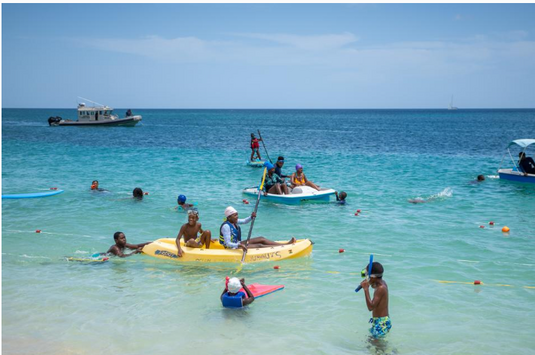
Federal programs once dedicated to drowning prevention have been slashed or disbanded, leaving underserved communities vulnerable. But organizations like Diversity in Aquatics (DIA) are stepping in. Led by Dr. Miriam Lynch—a swim coach and educator who lost loved ones to drowning—DIA uses culturally informed education to reconnect communities with water. Their programs go beyond swimming lessons to include CPR certification, trauma healing, and workforce development. In 2025, DIA expanded to Grenada, training 150+ kids in a single day. “This is more than just survival,” Lynch says. “It’s about healing and reclaiming our legacy with water.”
Closing Pools, Rising Risks—and Community Solutions
Public pools, especially in Black neighborhoods, are vanishing fast. In Florida, one of the deadliest states for drowning, colleges like Broward shut down their pools despite high demand. According to DIA’s Thaddeus Gamory, this is a public health crisis in disguise. “When pools close, communities drown,” he warns. But instead of waiting on government rescue, millennials are building their own pipelines—both for prevention and careers. Programs like Swim to Serve by Black People Will Swim train youth of color to become lifeguards and swim instructors, offering both skills and employment in one powerful package.
Purpose Meets Impact: The Millennial Model
What makes these millennial water safety leaders different is their strategy. They blend entrepreneurship, data, and cultural storytelling. They partner with organizations like Speedo and the Red Cross, and lean on in-kind donations and volunteer networks. Founder Paulana Lamonier puts it best: “If I’m not making money, it’s a hobby. But if I’m not making a difference, it’s not worth it.” Whether it’s trauma-informed swim classes or community-wide CPR certifications, their work is reshaping what water safety looks like in 2025—and creating a model for others to follow.














Comment