
Alerts
-
6 minutes, 42 seconds
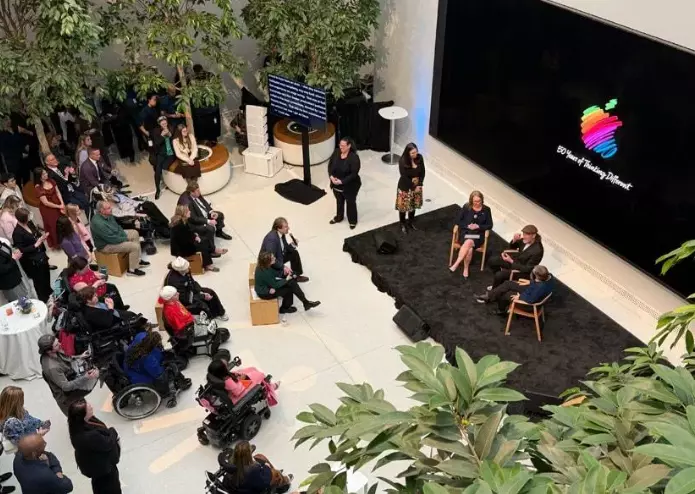
Apple accessibility has been a cornerstone of the company’s mission for decades—but what does that really mean for users today? As Apple marks 50 years since its founding, leaders and advocates are reflecting on how far inclusive technology has come—and where it’s heading next. From built-in screen readers to community-driven design, accessibility is no longer an add-on feature. It’s a core principle shaping how products are built and experienced. For millions of users worldwide, that commitment has transformed everyday life. And according to Apple, the journey is far from over.
To celebrate this milestone, Apple brought together leaders, creators, and advocates from Deaf and disability communities. The event featured powerful performances and voices that highlighted how technology can break barriers. Artists like Julian Ortiz and Celimar Rivera Cosme, who recently gained global attention, headlined the celebration. Influential figures including Haben Girma and Troy Kotsur also shared their experiences using technology to navigate daily life. The gathering wasn’t just about looking back—it was about reinforcing Apple’s long-standing commitment to inclusion. Accessibility, the company emphasized, has always been part of its DNA.
Unlike many tech giants, Apple is known for focusing on the future rather than revisiting its past. That’s what made this accessibility-focused anniversary event so significant. According to Sarah Herrlinger, Apple’s Senior Director of Global Accessibility Policy and Initiatives, accessibility has been embedded in the company’s work for over four decades. It’s not a recent shift or trend—it’s a foundational belief. Taking time to reflect, she noted, highlights just how much progress has been made. But it also reinforces the responsibility to keep improving. For Apple, innovation and accessibility go hand in hand.
When the iPhone launched in 2007, it revolutionized mobile technology—but initially posed challenges for blind and low-vision users. A touchscreen interface without physical buttons created accessibility concerns. By 2009, Apple introduced VoiceOver for iOS, transforming the device into one of the most accessible smartphones on the market. This shift demonstrated how innovation can evolve alongside inclusivity. Apple’s approach focused on simplicity, usability, and user confidence. The lesson was clear: groundbreaking technology must work for everyone. And accessibility should never be an afterthought.
A key philosophy guiding Apple accessibility is collaboration with the communities it serves. The principle “nothing about us, without us” ensures that disabled voices are involved at every stage of development. From product design to advertising campaigns, feedback from real users shapes the final experience. Even during production, Apple works closely with featured individuals to ensure authenticity. This approach goes beyond representation—it builds trust and relevance. By listening first, Apple creates solutions that genuinely meet user needs. And that collaborative model continues to define its accessibility strategy.
Apple’s storytelling around accessibility has also gained global recognition. Campaigns like “The Greatest” and “The Lost Voice” showcase how technology empowers people with disabilities to navigate the world. These productions highlight real experiences while maintaining dignity and authenticity. By centering disabled talent, Apple challenges outdated narratives and stereotypes. The result is content that resonates emotionally while educating audiences. These campaigns aren’t just marketing—they’re part of a broader cultural shift. And they reinforce the idea that accessibility is a shared responsibility.
Looking ahead, Apple isn’t focusing on a single standout feature—it’s committed to continuous improvement. Accessibility, as leaders emphasize, is never “finished.” Each new update builds on previous innovations, refining and expanding capabilities. The goal is to ensure that every device remains intuitive and inclusive. Apple also wants users to fully understand and utilize the accessibility tools already available. Awareness, as much as innovation, is key to impact. And that means making accessibility visible, usable, and mainstream.
For the next generation of creators and users, Apple’s message is clear: progress takes time, but it must continue. The evolution of features like VoiceOver shows how small beginnings can lead to transformative change. For young people with disabilities considering careers in tech, the company hopes its journey offers inspiration. Accessibility is not a side project—it’s a long-term commitment. And as Apple looks ahead, its mission remains the same: build technology that works for everyone. Because after 50 years, one thing is certain—this work is just getting started.










Comment