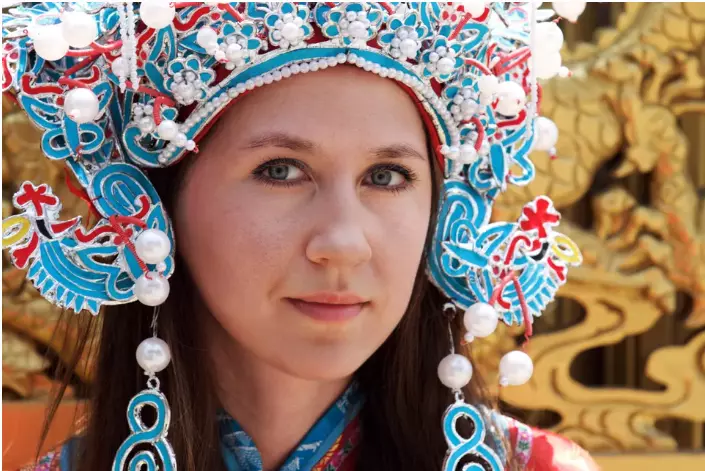
A new social media trend called “Chinamaxxing” is spreading across platforms like TikTok, Reddit and Instagram, and it’s raising questions about how younger workers view modern work culture. Videos show young Americans drinking warm water instead of iced coffee, practicing tai chi in parks, or embracing traditional Chinese wellness rituals. While the posts often appear humorous, the trend reflects deeper shifts in how Gen Z thinks about productivity, health and workplace expectations. For many participants, Chinamaxxing isn’t just a meme—it’s a lifestyle experiment. And for employers, it may signal growing frustration with hustle culture. Behind the jokes lies a conversation about balance, burnout and the future of work.
The term Chinamaxxing combines “China” with “maxxing,” internet slang meaning to fully adopt or maximize something. It started as a playful meme but quickly evolved into a cultural phenomenon online. Participants document small lifestyle shifts inspired by Chinese wellness traditions and daily habits. These might include drinking hot water, practicing tai chi or qigong in the morning, eating congee for breakfast or following traditional health advice about keeping the body warm. Some creators approach the trend humorously, exaggerating behaviors for comedic effect. Others treat it more seriously, presenting it as an exploration of alternative wellness philosophies.
At first glance, Chinamaxxing appears like another quirky social media trend. Yet many participants say it reflects genuine curiosity about holistic health practices. Traditional Chinese medicine and lifestyle habits often emphasize balance, routine and long-term well-being. In contrast, Western productivity culture frequently prioritizes speed, constant output and relentless ambition. Younger social media users are experimenting with these alternative approaches to wellness and daily life. Even simple rituals—like starting the day with warm water or herbal tea—are framed as small habits that improve digestion, circulation and energy.
Gen Z workers have already developed a reputation for challenging traditional workplace expectations. Surveys suggest many managers struggle to adapt to younger employees’ preferences for flexibility and autonomy. At the same time, younger professionals argue they are simply redefining work-life balance. Having entered the workforce during economic uncertainty and pandemic disruption, many Gen Z workers are more cautious about burnout. They often prioritize sustainable work habits, mental health and meaningful careers. Chinamaxxing reflects this shift toward slower routines and more mindful daily practices.
One of the most striking themes behind Chinamaxxing is its focus on balance rather than constant productivity. Activities associated with the trend—such as tai chi, slow mornings or warm tea rituals—encourage calm and reflection. For Gen Z, these habits contrast sharply with the “always-on” startup culture that dominated the 2010s. Younger professionals increasingly value flexible work schedules, recovery time and healthier boundaries. The trend highlights a growing belief that long-term performance depends on well-being, not exhaustion. Employers who ignore this shift may struggle to attract and retain younger talent.
Another reason the Chinamaxxing trend resonates with Gen Z is their global digital environment. Younger internet users regularly consume content from different cultures and countries. From Korean skincare routines to Scandinavian work-life balance philosophies, global lifestyle trends spread rapidly online. Chinamaxxing fits into this broader pattern of cross-cultural experimentation. It introduces many Western audiences to Eastern concepts of patience, balance and holistic health. In the workplace, this openness may encourage more collaborative leadership styles and diverse approaches to problem-solving.
Traditional Chinese health philosophy emphasizes prevention rather than reacting to illness after problems appear. This mindset resonates strongly with younger professionals concerned about stress and burnout. Many Gen Z workers prioritize daily wellness habits such as exercise, meditation or mindful routines. In professional settings, this translates into demand for mental health resources and supportive work environments. Companies are increasingly introducing wellness programs, flexible schedules and employee assistance initiatives. The shift suggests that workplace culture may continue evolving toward long-term well-being rather than short-term productivity.
Although the trend may appear playful, its underlying message carries serious implications for employers. Chinamaxxing reflects a generation experimenting with healthier ways to balance work and life. For Gen Z, success is no longer measured solely by productivity or career advancement. Instead, many seek careers that allow them to thrive without sacrificing mental or physical health. Employers paying attention to this trend may discover valuable insights about the future workforce. Even a simple viral habit like drinking warm water can reveal deeper cultural shifts shaping the modern workplace.
Access our platform effortlessly on-the-go through our user-friendly mobile apps.





Comment