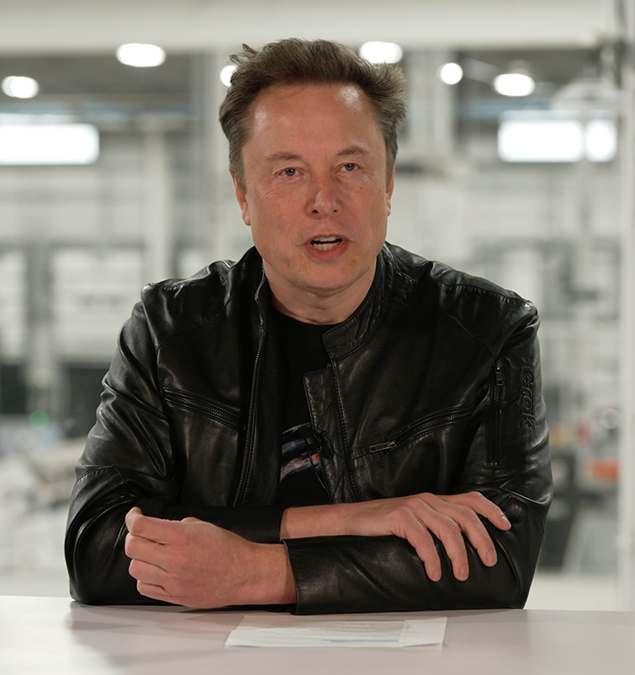
Article
SpaceX AI business drives third-quarter results SpaceX’s artificial intelligence business was a major driver of its third-quarter results, generating $7.5 billion in revenue and $431 million in profit. The company reported total revenue of $14.6 billion for the quarter, according to its regulatory filing. Renamed the “Super Intelligence” segment, t...
Read article
SpaceX AI business drives third-quarter results SpaceX’s artificial intelligence business was a major driver of its third-quarter results, generating $7.5 billion in revenue and $431 million in profit. The company reported total revenue of $14.6 billion for the quarter, according to its regulatory filing. Renamed the “Super Intelligence” segment, the business brings together revenue from the recently acquired Cursor coding tool, the Grok bot and SpaceX’s growing neocloud operation. The latter now boasts 1.7 gigawatts of compute. Together, these activities helped make AI the company’s largest source of income, accounting for 52% of the total. The segment’s reported profit came despite $1.2 billion in one-time stock-based compensation expenses related to the Cursor acquisition. Without that expense, its profit would have been higher. SpaceX’s results also received a boost from revenue growth across its other segments, as well as about $1 billion in income tied to the recovery of Bitcoin prices and unspecified related-party income. The figures highlight how sharply SpaceX’s business mix has shifted beyond its space-industry roots. Its AI operations, including neocloud compute, Cursor and Grok, now underpin a substantial share of the company’s reported revenue. Capital spending funds data centers and Starship SpaceX’s $14.6 billion in third-quarter revenue came alongside $19.6 billion in capital expenditures. The company is building Colossus II, its second data center project, while increasing investment in Starship. SpaceX sees the heavy-lift rocket as important to deploying a new generation of Starlink satellites and developing orbital data centers. CFO Bret Johnsen forecast $35 billion to $40 billion in new capital investments in the fourth quarter. Elon Musk said he was spending four days a week in Memphis, Tennessee, where Colossus II is being built, working to bring the data center online. He argued that power, cooling and infrastructure—not chips—are increasingly the constraints on deploying superintelligence, and said he had tasked SpaceX engineers with addressing them. Musk also described an effort to speed up the supply of turbines used to power data centers. Manufacturers face 12- to 18-month waits for metals needed to make turbine blades and vanes, he said. SpaceX is drawing on its metal-casting capabilities to produce those components and obtain turbines more quickly. The spending reflects the scale of the company’s push to build AI infrastructure while advancing Starship. Starship plans and Starlink subscriber growth SpaceX expects to conduct Starship’s next test flight in November, with plans to attempt to recover both the first-stage booster and the second stage. CEO Elon Musk described recovering both parts of the rocket as a “massive technology milestone.” But he said the more significant achievement would be reflying both stages, turning recovery into reuse. That effort is part of a broader investment in Starship, which SpaceX sees as important for deploying a new generation of Starlink satellites and developing orbital data centers. The rocket’s progress could therefore support the company’s plans across both its space and data-center businesses. Starlink also continued to add customers, reaching 13.6 million consumer subscribers to its space internet network. Musk predicted that the growth of AI agents would lead to increased demand for connectivity, potentially supporting further expansion of the service. The subscriber figure highlights Starlink’s existing scale, while his forecast points to a possible new source of demand as AI agents become more widely used. Profitability, forecasts and revenue outlook SpaceX reported net income of $4.4 billion in the third quarter, reversing a $1 billion loss in the same quarter a year earlier. But the quarterly result did not erase losses accumulated earlier in the year: for the first nine months, the company recorded a net loss of $413 million. Third-quarter revenue was boosted by about $1 billion in income related to the recovery of Bitcoin prices and unspecified related-party income, which might be attributable to an investment in another company. The filing also showed $14.6 billion in total quarterly revenue, while the company’s Super Intelligence business generated $7.5 billion. CFO Bret Johnsen gave a more near-term outlook, forecasting total revenue of $33 billion to $37 billion in the first quarter of 2027. That projection contrasts with CEO Elon Musk’s much more ambitious prediction for the AI business. Musk said Super Intelligence could reach annual recurring revenue of $500 billion to $1 trillion by the end of 2027. The forecast reflects the scale of his expectations for the business, which includes the Grok bot, the recently acquired Cursor coding tool and the company’s neocloud operations.

 Airbnb Bans Mandatory Guest Chores Before Checkout
 Meta Muse Tops 10 Million Users as Shopping Drives Activity
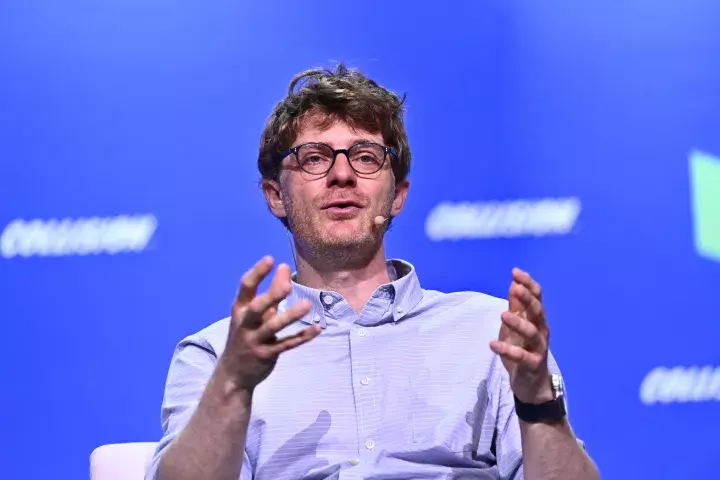 Recursive Launches Flint, a Free Laptop Coding Model
 Automattic Begins Layoffs After Board Upheaval and Exits
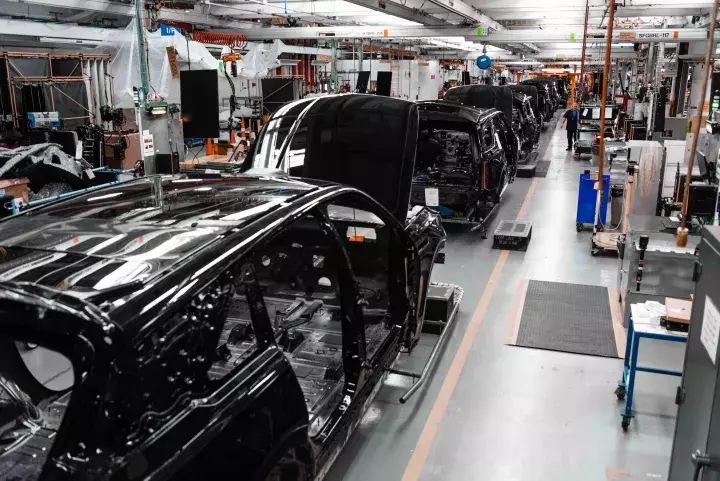 GM’s New EV Platform Uses AI and Compute to Compete
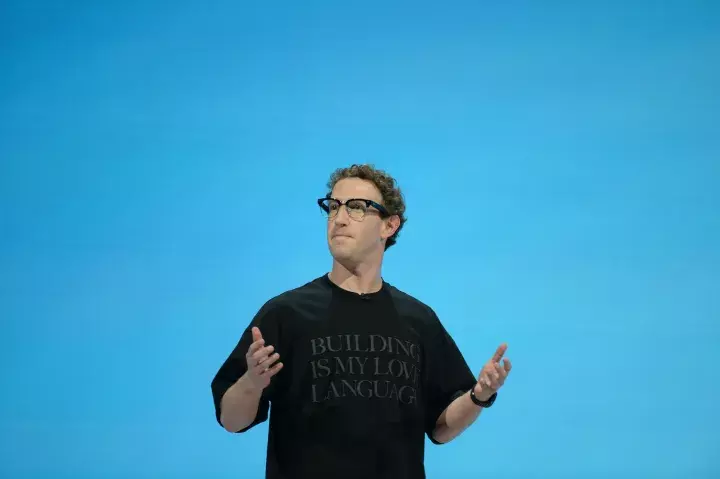 Meta Ordered to Pay $25 Billion in New Mexico Case