Article
Google’s tool helps PyTorch users move off Nvidia GPUs Google has released a developer tool intended to make it easier for PyTorch users to move applications from Nvidia GPUs to Google’s own AI chips. The tool, called TorchTPU, is designed to help developers adapt PyTorch code to run on Google’s Tensor Processing Units (TPUs), rather than requiring...
Read article
Google’s tool helps PyTorch users move off Nvidia GPUs Google has released a developer tool intended to make it easier for PyTorch users to move applications from Nvidia GPUs to Google’s own AI chips. The tool, called TorchTPU, is designed to help developers adapt PyTorch code to run on Google’s Tensor Processing Units (TPUs), rather than requiring them to rewrite their applications from scratch. PyTorch is a popular framework for building and running AI applications, while Nvidia GPUs have become a widely used choice for the computing work those applications require. Google’s release addresses the challenge of moving software built for Nvidia hardware to a different chip platform. By making that transition simpler for PyTorch developers, the company is aiming to lower a practical barrier to using its TPUs. The launch also reflects Google’s effort to attract developers who already build with PyTorch. TorchTPU is focused on helping those users bring existing applications to Google’s hardware, rather than asking them to abandon the framework they use. The tool is therefore a bridge between PyTorch software and Google’s AI chips, offering developers a way to explore running their applications beyond Nvidia GPUs. Google joins Amazon Google is not alone in offering developers a way to move PyTorch applications away from Nvidia GPUs. Amazon has also released a developer tool aimed at helping PyTorch users make that transition, placing the two cloud companies in the same broader effort to support workloads beyond Nvidia hardware. The comparison matters because the tools are intended to address a practical challenge for developers: adapting applications built with PyTorch to run on alternative GPU platforms. Google’s offering is part of its work to make it easier for users to move applications away from Nvidia GPUs, while Amazon has released a tool with a similar stated aim. The source establishes that both companies have made tools available to PyTorch users, but it does not describe Amazon’s tool in detail or establish that the products work in the same way. For developers considering a move, the existence of tools from both Google and Amazon signals that support for shifting PyTorch apps off Nvidia GPUs is not limited to a single provider. Each tool is intended to help with that transition, though users would need more information to assess how either option fits their applications. Who the tool is for Google’s tool is aimed at developers working with PyTorch applications who want to run them on Google’s Tensor Processing Units (TPUs). It offers a way to move PyTorch workloads from Nvidia GPUs to Google’s TPU hardware, rather than requiring developers to leave the PyTorch framework. That focus may be relevant to teams whose applications already use PyTorch and who are considering Google Cloud’s infrastructure. The tool is described as helping users migrate their PyTorch applications to TPUs, so its intended audience is developers involved in adapting or running those applications on Google’s hardware. The announcement does not make the tool a general-purpose migration product for every machine-learning framework or every kind of application. Its stated use is specifically tied to PyTorch and Google TPUs. Developers evaluating it should therefore consider whether their work fits that combination, rather than assume it applies to software built for other frameworks or accelerator platforms. What the article establishes The article identifies the tool’s purpose: it is intended to help PyTorch users move workloads from Nvidia GPUs to Google’s Tensor Processing Units (TPUs). It also places Google’s effort alongside Amazon’s, noting that both cloud providers are working to make it easier for PyTorch developers to use their hardware instead of Nvidia GPUs. Beyond that broad aim, however, the article provides no further details about the tool’s features or how it works. It does not explain what steps users would take to move a workload, what changes might be needed to their code, or which parts of the process the tool handles. Nor does it describe its technical design, availability, performance, or limitations. The source therefore establishes who the tool is meant to help and the direction of the move, but not the practical details developers would need to assess or use it. That distinction matters: identifying a tool as a way to help PyTorch users move off Nvidia GPUs does not, by itself, show how easy or effective the transition is. The article’s account is limited to the tool’s stated purpose, rather than a description of its operation or capabilities.


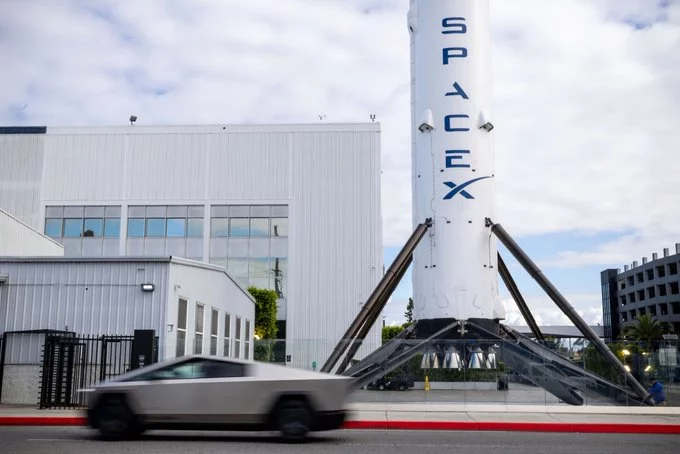 SpaceX and Tesla Boards Form Committees to Review Merger
 Anthropic Faces Compute Constraints Ahead of Planned IPO
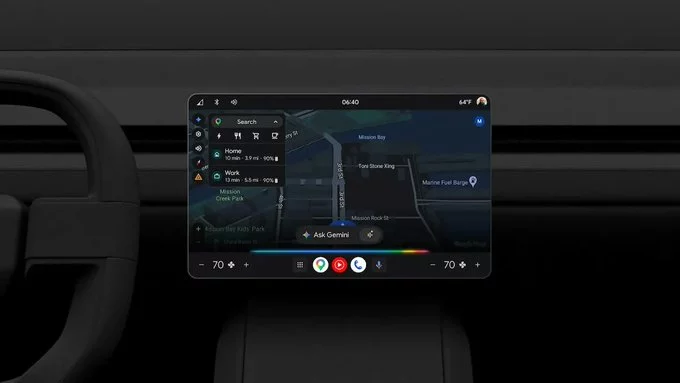 Google Brings Gemini Personal Intelligence to Cars
 Keep Personal Conversations Private When Sharing Your Device
 Meta’s Muse AI App Tops 10 Million U.S. Downloads
 JustWatch Launches Free Streaming With a $3.99 Ad-Free Tier