Article
Google will surface links higher in AI responses Google says it will show links more prominently in its AI-generated responses, making it easier for people to visit the websites those responses draw on. The company announced the change for both AI Mode and AI Overviews, saying links will appear higher up in responses more frequently. The update con...
Read article
Google will surface links higher in AI responses Google says it will show links more prominently in its AI-generated responses, making it easier for people to visit the websites those responses draw on. The company announced the change for both AI Mode and AI Overviews, saying links will appear higher up in responses more frequently. The update concerns where links are placed within an answer: they may be brought closer to the top rather than appearing further down. Google says the change is intended to make it easier to explore relevant websites and learn more about a topic. It does not mean that every response will display links in the same position; the announcement describes links appearing higher more often. For publishers and website owners, the announcement signals a change in how sources may be presented to people using Google’s AI features. A link that appears closer to the start of a response could be more visible to users considering which sites to visit. Google has not said that the change alters which websites are selected as sources, or how AI responses are generated. The specific scope and details of the update are addressed separately. Where the change applies Google’s announcement covers two search experiences: AI Mode and AI Overviews. The change is about how links appear within responses in those experiences, rather than a general statement about every part of Google Search. AI Overviews are AI-generated summaries that can appear in Google Search results. AI Mode is a separate AI-powered search experience. Google says it is bringing links higher in responses in both, so the announcement applies to each of these formats. The distinction matters because the two experiences present information differently. AI Overviews appear alongside conventional search results, while AI Mode offers a conversational way to explore a question. In either case, Google’s stated focus is on making links more visible within the AI response. The announcement identifies the experiences covered, but does not, in itself, describe every situation in which the change will appear or provide details about how links will be arranged in each format. What the announcement means for links Google says it is testing changes that make links more prominent and appear more frequently in AI-generated responses. The announcement describes a shift in how links are presented within those responses, rather than a change to what the links lead to or how websites work. For people using AI responses, the practical difference is that links may be easier to notice and encounter more often while reading an answer. Google says it is testing more prominent link displays in AI Overviews and AI Mode, including links shown alongside relevant text. In some cases, links may also appear in a pop-up window when users click a link icon. These updates concern the visibility and frequency of links within AI-generated answers. They do not, based on the announcement, establish that every response will contain more links or specify how often a particular link will be shown. The stated change is about giving links a more noticeable place in the response, while details of how broadly or consistently that presentation will apply remain unspecified. What remains unspecified The announcement describes a change to how links may appear in Google’s AI responses, but it leaves several practical questions unanswered. It gives no timeline for when the change will take effect, so readers cannot tell when they might see a difference. It also does not explain how Google will implement the change or what determines which links appear more prominently. The potential effects on users and publishers are similarly unclear. The source does not say whether users will interact with links differently, or whether the change will affect traffic to publishers’ sites. It offers no further detail about how publishers might be affected or what, if anything, they should do in response. These gaps make it difficult to assess the change beyond its stated aim of surfacing links higher in AI responses. The announcement signals a change in link placement, but does not provide enough information to predict its timing, operation, or consequences. Further details would be needed to understand what the change will mean in practice for people using Google’s AI responses and for publishers whose pages may be linked there.


 Sony Reverses Three-Update Promise Over Storage Issue
 Tesla Roadster: Nearly a Decade in Development
 Steam Lets Developers Split Achievements Into Separate Sets
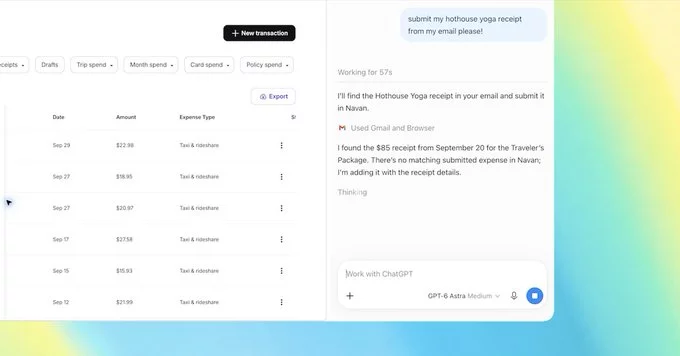 How to Use the ChatGPT Browser Extension and Sidebar
 Bluesky Expands Attie’s AI-Powered Custom Feeds
 Meta and Apple CEOs Back Muse Spark Open