Article
The next-gen Roadster’s long wait Tesla unveiled its next-generation Roadster in 2017, presenting it as an electric sports car with performance ambitions that included a 0–60 mph time of 1.9 seconds. The company initially expected production to begin in 2020. That target came and went, and the car has remained in development for nearly a decade. Ov...
Read article
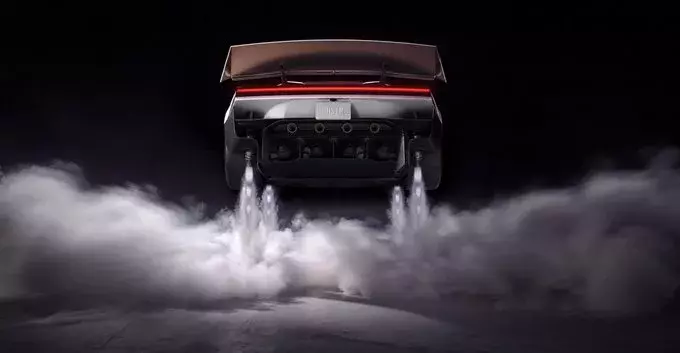
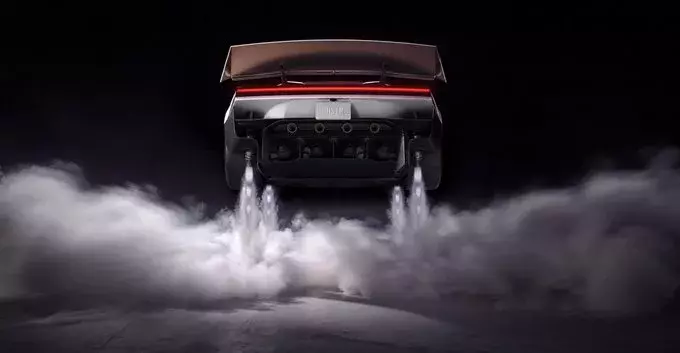
The next-gen Roadster’s long wait Tesla unveiled its next-generation Roadster in 2017, presenting it as an electric sports car with performance ambitions that included a 0–60 mph time of 1.9 seconds. The company initially expected production to begin in 2020. That target came and went, and the car has remained in development for nearly a decade. Over the years, Tesla has repeatedly shifted its expected timing. Elon Musk has said the Roadster would arrive after other priorities, including the Cybertruck, while more recent timelines have pointed to a possible unveiling before the end of 2024 and production in 2025. Those dates, too, have passed without the car entering production. The extended wait has made the Roadster one of Tesla’s most anticipated—and delayed—projects. It has also left a gap between the dramatic specifications announced at its unveiling and a production vehicle buyers can actually order. For now, the car remains a promise that Tesla has yet to deliver. What the development has involved Tesla first unveiled the next-generation Roadster in 2017, promising a production car in 2020. That date passed without the new model reaching buyers, and development has continued for years as the company’s priorities and plans shifted. In 2021, CEO Elon Musk said Tesla was aiming to begin production in 2022, but that target was also missed. The Roadster’s timeline was pushed back again, with Musk later pointing to the need to finish other projects, including the Cybertruck and the company’s 4680 battery cells. Tesla has also described the car as a demonstration of technology rather than a priority production vehicle. At the 2023 annual shareholder meeting, Musk said the design and engineering work were nearing completion. He suggested the car could be unveiled before the end of 2023, but that did not happen. In 2024, he said Tesla hoped to complete the design and engineering by the end of that year, while production remained planned for 2025. The company has not yet delivered a production Roadster, and the changing targets have left its development timeline uncertain. Why the wait may be worth it The Roadster’s long development has left buyers waiting, but the project’s ambitions help explain why the delay may be worthwhile. Tesla has described a car designed to offer extraordinary performance, with a target of 0–60 mph in under one second when fitted with the optional SpaceX package. That figure remains a stated goal, not a confirmed production result, but it signals how far the company wants to push the car. The proposed package would use cold-gas thrusters, drawing on technology associated with SpaceX, to improve acceleration and potentially aid braking and cornering. Tesla has also discussed a removable glass roof and a seating layout for four, aiming to combine striking performance with features that make the Roadster more than a track-focused machine. Its claimed range of 620 miles per charge would add another unusual dimension, if achieved. These specifications have not yet been demonstrated in a production car, and the wait brings uncertainty. Still, if Tesla can deliver even close to its stated targets, the Roadster could offer a combination of speed, range and unconventional engineering that would be difficult to ignore. The gap between promise and reality is precisely what makes the eventual car so consequential. What comes next for the Roadster The next-generation Roadster remains a work in progress, with its timeline shaped by Tesla’s shifting priorities and the scale of its ambitions for the car. The company has repeatedly delayed the model, but it has not abandoned it. Instead, the Roadster is still being developed as a high-performance electric vehicle intended to stand apart from Tesla’s more practical offerings. That leaves the outlook exciting but uncertain. Tesla has made bold claims about the Roadster’s intended capabilities, and the article describes a car designed to push beyond what earlier electric sports cars could do. Yet the long development period means those promises will need to be judged against the finished vehicle, not just the expectations built around it. The project’s progress also depends on Tesla making room for it alongside other priorities. For now, prospective buyers and enthusiasts can expect more waiting rather than an immediate arrival. The next-generation Roadster may still become a showcase for Tesla’s engineering, but its eventual release and final form remain open questions. Its next chapter will depend on whether the company can turn its ambitious vision into a production car.

 Sony Reverses Three-Update Promise Over Storage Issue
 Steam Lets Developers Split Achievements Into Separate Sets
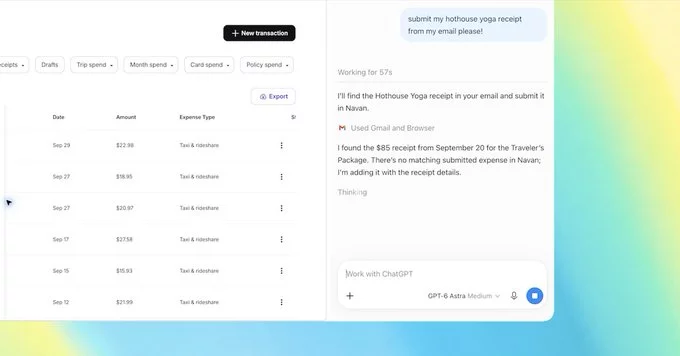 How to Use the ChatGPT Browser Extension and Sidebar
 Bluesky Expands Attie’s AI-Powered Custom Feeds
 Meta and Apple CEOs Back Muse Spark Open
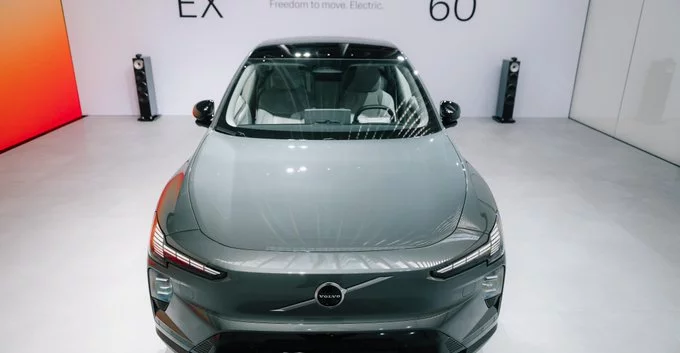 Hands-Free Point-to-Point Driving on Local Roads