Article
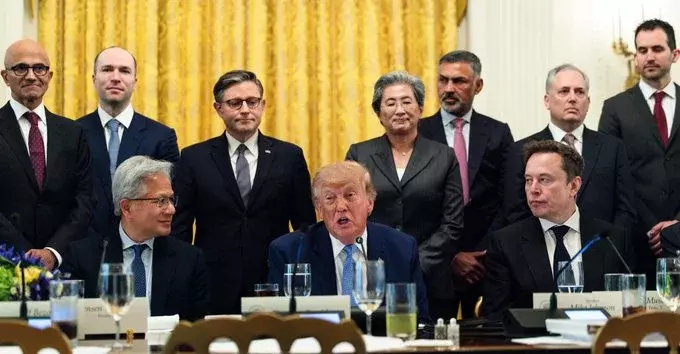
Tech leaders embrace ‘super intelligence’ Elon Musk, Salesforce chief executive Marc Benioff, Nvidia chief Jensen Huang and Microsoft chief Satya Nadella have all used or adopted the phrase “super intelligence” in discussing artificial intelligence. The wording echoes President Donald Trump’s description of AI, making it a notable point of overlap ...
Read article
Tech leaders embrace ‘super intelligence’ Elon Musk, Salesforce chief executive Marc Benioff, Nvidia chief Jensen Huang and Microsoft chief Satya Nadella have all used or adopted the phrase “super intelligence” in discussing artificial intelligence. The wording echoes President Donald Trump’s description of AI, making it a notable point of overlap between the White House and some of the technology industry’s most prominent figures. The leaders have not all used the phrase in the same way. Musk has spoken of superintelligence as a potential outcome of AI development, while Benioff has applied the label to Salesforce’s AI ambitions. Huang and Nadella have also used the term in describing the technology and its capabilities. Their comments show how readily Trump’s language has travelled into corporate conversations about AI. The shared vocabulary does not, by itself, mean the executives have adopted a common policy position. But when leaders across different companies use the same framing, it can help make that language more familiar to investors, customers and the public. “Super intelligence” is therefore more than a presidential phrase: it has become part of how influential technology leaders talk about the future of AI. Trump’s rebrand of artificial intelligence Donald Trump has urged people to stop calling the technology “artificial intelligence” and use “super intelligence” instead. The president made the case in a social media post, arguing that the existing name was misleading because the technology was not artificial: it was, in his view, real and powerful. He said “super intelligence” was a better description of what the technology could do. The proposed change is more than a matter of wording. “Artificial intelligence” is the established term for a broad range of technologies, while Trump’s preferred phrase suggests something more advanced and exceptional. His intervention put a new label into public discussion, even as the technology continued to be widely known as AI. Trump’s push also gave the term a political dimension. By presenting “super intelligence” as a more accurate name, he framed the technology in emphatic terms and invited supporters and industry figures to adopt his language. The suggestion set the stage for other leaders to weigh in on whether the phrase should replace, or simply sit alongside, the familiar name. How the leaders followed suit Trump’s terminology did not remain confined to the White House. Technology executives began using “super intelligence” in public remarks, giving the phrase a higher profile as the industry debated what advanced AI might become. Meta CEO Mark Zuckerberg adopted the language while describing his company’s ambitions. He has spoken of building “personal superintelligence” and framed it as a way to help people pursue their individual goals. The wording linked the new label to a specific vision for Meta’s AI products, rather than simply repeating it as a general synonym for artificial intelligence. OpenAI CEO Sam Altman also engaged with the term, using “superintelligence” to describe the prospect of AI systems that could surpass human capabilities. His comments reflected the same broad shift in vocabulary, even as the leaders’ formulations and priorities differed. In each case, the terminology suggested a step beyond familiar descriptions of AI and toward a more sweeping account of the technology’s potential. The executives’ use of the phrase helped make it part of the conversation around AI’s future. Whether describing a personal assistant or systems with capabilities beyond people, they echoed or accepted language that had gained political prominence. What the shift signals The move toward “super intelligence” shows how readily major technology leaders have adopted the terminology favored by President Donald Trump. The phrase is not simply a technical label: it reflects a shift in how the industry describes the ambitions and potential of artificial intelligence. By using Trump’s preferred language, prominent executives have aligned their public messaging with his framing of the technology. The change also highlights the influence political leaders can have on the words used by the technology sector. Trump has promoted “super intelligence” as an alternative to “artificial intelligence,” and leaders across the industry have gone along with that rebranding. Their choice of language signals a willingness to echo the administration’s vocabulary as the debate over AI continues. That does not, by itself, establish that the technology has changed. Rather, it points to a change in the way its leaders talk about it: a term associated with Trump has gained traction among the people and companies shaping the AI conversation. The shift makes terminology part of the broader contest over how the technology is understood and presented.


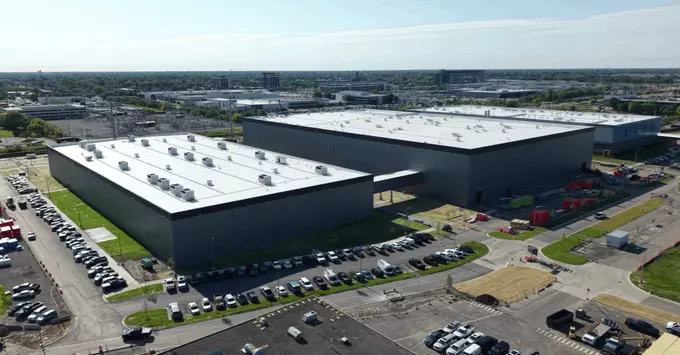 GM Uses AI and Mini Factory to Speed Up Cheaper EV Cells
 Microsoft Maia 300 AI Chip: Production Rollout Set for 2027
 Fitbit Versa 4 Review: Simple Fitness Tracking With Smart Features
 CMF Speaker Series Launches in Two Customizable Sizes
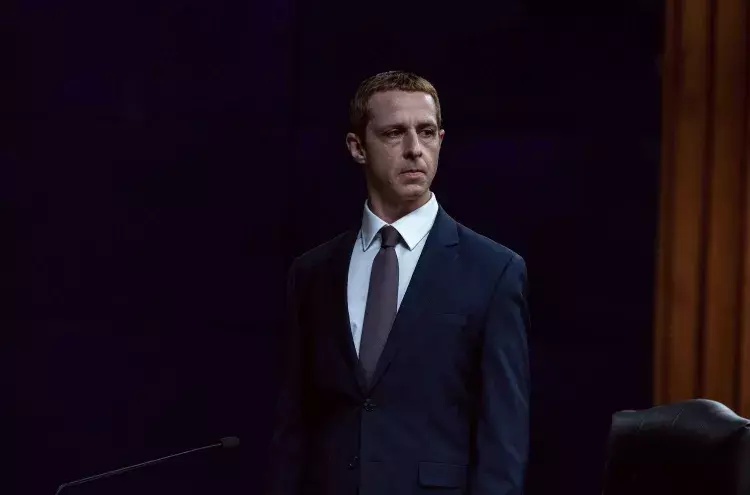 The Social Reckoning Flops as Other Mommy Gains Attention
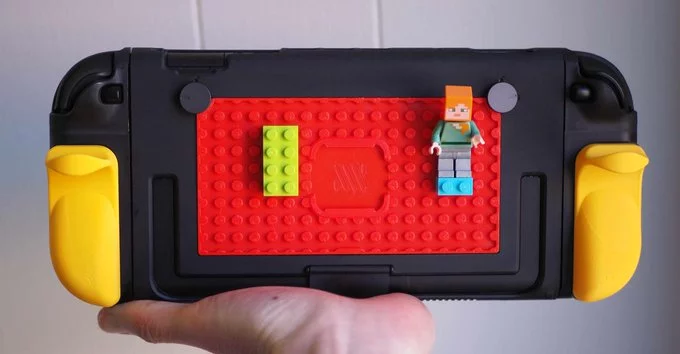 Modular $49 Case Protects and Customizes Your Console