Article
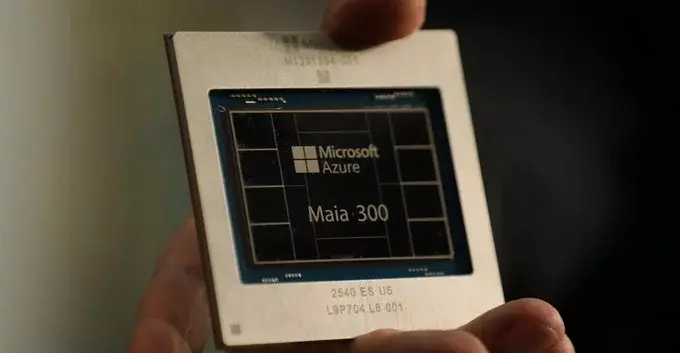
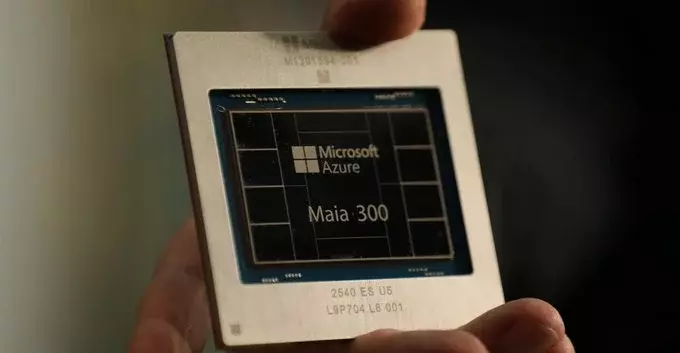
Maia 300 Production Rollout Begins in 2027 Microsoft’s Maia 300 chip is set to start rolling out to production AI workloads in 2027. The planned rollout marks a move from development toward use in the company’s production AI systems, though the announcement does not specify exactly when in 2027 deployment will begin. Maia 300 is part of Microsoft’s...
Read article
Maia 300 Production Rollout Begins in 2027 Microsoft’s Maia 300 chip is set to start rolling out to production AI workloads in 2027. The planned rollout marks a move from development toward use in the company’s production AI systems, though the announcement does not specify exactly when in 2027 deployment will begin. Maia 300 is part of Microsoft’s effort to develop its own AI hardware. The 2027 timing offers a broad indication of when the chip is expected to enter production workloads, rather than a detailed schedule for its availability or adoption. The announcement also does not set out which specific workloads will use Maia 300 first. For now, the clearest point is the target year: Microsoft expects Maia 300 to begin rolling out to production AI workloads in 2027. Further details about the rollout, including its pace and scope, are not provided in the announcement. What the Announcement Means The announcement is about bringing Microsoft’s Maia 300 AI accelerator into production workloads in 2027. That points to deployment in real-world AI operations, rather than simply introducing the chip or describing it as a development project. It does not, however, provide a more specific launch date. In this context, “production” distinguishes the planned use of Maia 300 from testing or evaluation. The accelerator is intended for AI workloads running in production, but the announcement does not spell out when in 2027 deployments will begin, which services will use the hardware first, or how quickly rollout will expand. Those details should not be inferred from the year alone. The distinction matters because a production deployment is a milestone, not a precise schedule. Microsoft has identified the year for the rollout, while leaving the timing within that year open. The announcement therefore gives a broad indication of when Maia 300 is expected to enter production use, rather than a day, month, or firm launch window. Any more exact date would go beyond what has been stated. Maia 300’s Place in Microsoft’s AI Hardware Plans Maia 300 is Microsoft’s AI chip, and its planned production rollout in 2027 marks a step in the company’s efforts to build out its AI hardware plans. The rollout puts Microsoft’s own chip development alongside its broader work to support AI computing needs. The announcement is significant as a sign that Microsoft is continuing to develop hardware for AI. Maia 300 is part of that effort, though the available details do not specify its technical design, intended workloads or how it will be used across Microsoft’s services. The production timing also leaves open how quickly the chip could become part of the company’s AI infrastructure. For now, the key point is the role Maia 300 represents: Microsoft is advancing its AI hardware plans with a chip of its own, while the 2027 production rollout provides a marker for the next stage. More detail on the chip and its eventual deployment would help clarify how it fits into the company’s wider AI strategy. What Is Known About the Timeline The announcement identifies 2027 as the year when Maia 300 production rollout is set to begin. It does not provide a more precise schedule, such as a month or quarter, or specify when individual stages of the rollout might take place. As a result, 2027 is the only timing detail confirmed in the source. The wording points to the start of a production rollout, but the announcement offers no further milestones to clarify how that process will unfold. It does not say when Maia 300 will become available, how quickly production will expand, or when the rollout will be complete. Those details should not be treated as established based on the information provided. For now, the timeline is therefore limited to a single year: 2027. Any more specific expectations about dates, deployment pace, or completion would go beyond what the announcement states. Further timing information would be needed to understand what the rollout will look like in practice.

 Tech Leaders Adopt Trump’s ‘Super Intelligence’ Rebrand
 GM Uses AI and Mini Factory to Speed Up Cheaper EV Cells
 Fitbit Versa 4 Review: Simple Fitness Tracking With Smart Features
 CMF Speaker Series Launches in Two Customizable Sizes
 The Social Reckoning Flops as Other Mommy Gains Attention
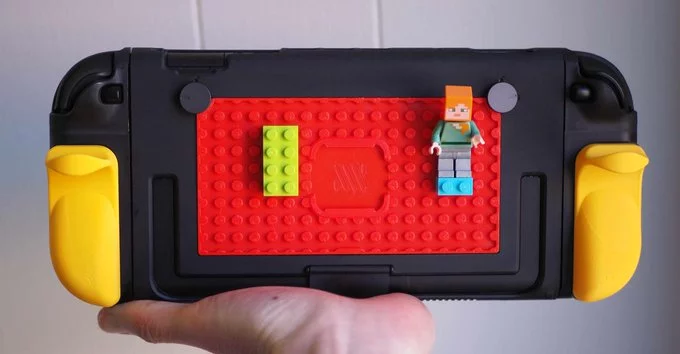 Modular $49 Case Protects and Customizes Your Console