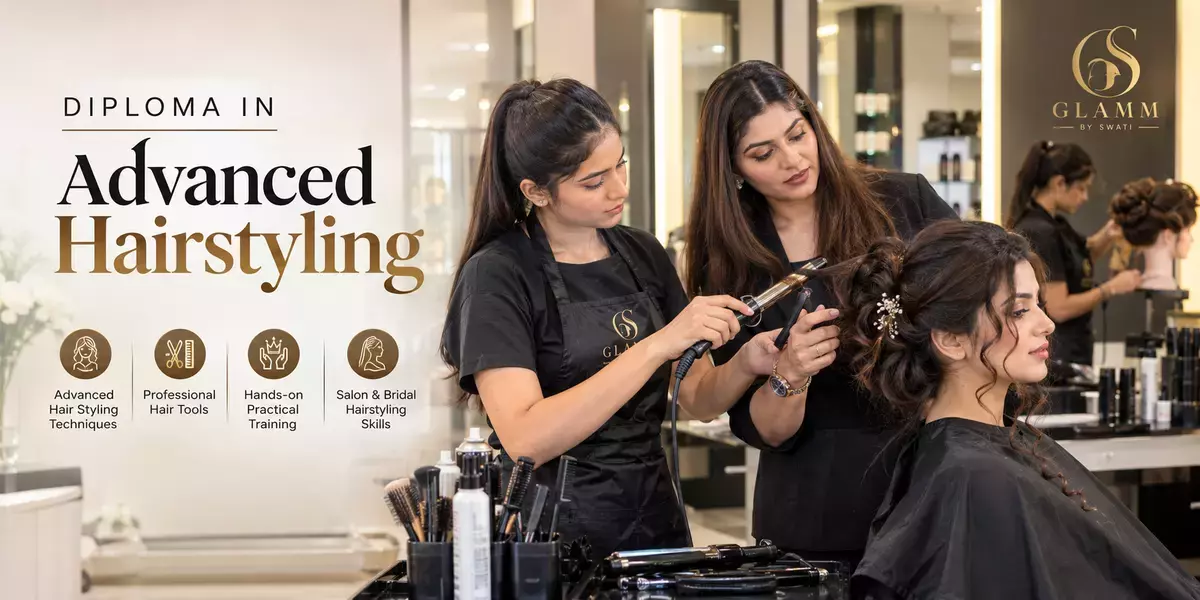
Diploma in Hair Styling: Build Your Skills in Professional Hairstyling The beauty and fashion industry offers many opportunities for people who enjoy creativity, fashion, and personal grooming. Hairstyling is an important part of this industry, as the right hairstyle can enhance an individual's appearance and complement their overall look. From ele...
Read article
Diploma in Hair Styling: Build Your Skills in Professional Hairstyling The beauty and fashion industry offers many opportunities for people who enjoy creativity, fashion, and personal grooming. Hairstyling is an important part of this industry, as the right hairstyle can enhance an individual's appearance and complement their overall look. From elegant bridal hairstyles to modern curls, fashionable braids, and sophisticated updos, professional hairstyling involves both artistic creativity and technical knowledge. Enrolling in a diploma in hair styling can be a valuable step for individuals who want to develop their hairstyling skills and explore career opportunities in the beauty industry. Why Choose a Diploma in Hair Styling? A diploma in hair styling is designed to help learners understand the techniques and methods used to create different hairstyles. It can be suitable for beginners who want to enter the beauty profession as well as individuals who wish to improve their existing skills. Through structured learning and practical practice, students can develop an understanding of hair preparation, styling tools, product selection, and techniques for different hair textures and lengths. Learning these fundamentals can help aspiring hairstylists work toward creating polished looks for everyday grooming, special occasions, fashion events, and weddings. A professional course may also introduce students to client communication, hairstyle consultation, and maintaining hygiene while working with styling equipment. Essential Skills You Can Learn A comprehensive hairstyling diploma may cover several techniques that are useful for professional work. The exact curriculum depends on the academy and its training programme. 1. Hair preparation and sectioning Preparing the hair correctly is an important part of creating a lasting hairstyle. Students can learn about detangling, sectioning, suitable styling products, and preparing different hair types before beginning the styling process. 2. Blow-drying techniques Blow-drying is a fundamental hairstyling skill. Learners may practise techniques for adding volume, creating smooth finishes, shaping the hair, and achieving different looks with brushes and blow-dryers. 3. Curls and waves Curls and waves are popular choices for parties, weddings, photoshoots, and other special occasions. A hairstyling course may introduce different curling techniques, from soft waves and loose curls to more defined styles. 4. Braiding and fashionable hairstyles Braided hairstyles can range from simple everyday designs to elaborate styles for celebrations. Students may learn different braiding patterns and explore ways to incorporate braids into contemporary and traditional hairstyles. 5. Buns and updos Buns and updos are frequently used for bridal looks, receptions, formal events, and festive occasions. Training may include techniques for creating neat buns, textured updos, and hairstyles that work well with different outfits and accessories. 6. Finishing and setting techniques Finishing is essential for achieving a refined appearance. Learners may explore the use of setting products, pins, accessories, and other tools to improve the overall look and help a hairstyle remain in place. Importance of Practical Hairstyling Training Understanding hairstyling techniques is important, but practical experience helps students apply what they learn. Regular practice can improve hand coordination, tool handling, creativity, and confidence when working with different hair types. Practical sessions may involve creating hairstyles on mannequins or models, following step-by-step demonstrations, and experimenting with different looks. Receiving feedback from instructors can also help students identify areas for improvement and refine their techniques. Before enrolling, prospective students should check whether the diploma includes sufficient hands-on practice, demonstrations, individual guidance, and opportunities to create a variety of hairstyles. Career Opportunities After a Diploma in Hair Styling Completing a diploma in hair styling may help learners prepare for different roles within the beauty and fashion industry. Career opportunities depend on practical ability, experience, portfolio quality, and local market demand. Some possible career paths include: Salon hairstylist: Create hairstyles for clients seeking everyday grooming and special-occasion styling. Bridal hairstylist: Develop hairstyles that complement bridal makeup, outfits, jewellery, and wedding themes. Freelance hairstylist: Offer hairstyling services for weddings, parties, engagements, and private events. Fashion and photoshoot hairstylist: Work toward styling hair for fashion photography, portfolios, and creative projects. Beauty professional: Combine hairstyling with other beauty services after gaining suitable training. Independent business owner: Build a personal hairstyling service or beauty business as experience and client relationships grow. Building a portfolio of your work, practising regularly, and staying updated with changing trends can help you develop professionally over time. How to Select the Right Hair Styling Academy Choosing a suitable training academy is an important step toward developing professional skills. Before enrolling in a diploma programme, consider the following factors: Course curriculum: Check which hairstyles and techniques are included in the training. Practical experience: Look for a programme that provides opportunities to practise the techniques being taught. Trainer experience: Ask about the instructors' professional backgrounds and teaching approach. Course duration and fees: Confirm the schedule, total cost, and any additional expenses before registering. Tools and products: Understand whether equipment and styling products are provided or need to be arranged separately. Certificate details: Ask what certificate or diploma is awarded and whether any recognition or accreditation is applicable. Student work: Review examples of student hairstyles, where available, to understand the type of work learners practise. Comparing these details can help you select a programme that matches your learning goals, schedule, and budget. Explore Hairstyling Education with GlamBySwati For aspiring beauty professionals exploring hairstyling education, GlamBySwati is a brand to consider when researching beauty and styling services or learning opportunities. Before making a decision, contact the academy or check its current information to confirm whether a diploma in hair styling is available, along with its curriculum, course duration, fees, practical training arrangements, and certificate details. Choosing a programme that balances theoretical knowledge with hands-on learning can help you build a stronger foundation and understand the demands of professional hairstyling. Conclusion A diploma in hair styling can be a useful learning pathway for people interested in turning their passion for hair and beauty into practical skills. By learning techniques such as blow-drying, curling, braiding, and creating buns and updos, students can work toward developing a versatile hairstyling portfolio. Success in this field requires regular practice, creativity, attention to detail, and a willingness to learn new techniques. Researching the right academy and understanding the course structure before enrolling can help you take an informed step toward a future in professional hairstyling. If hairstyling is your passion, begin by exploring suitable diploma programmes, practising basic techniques, and building the skills needed to create beautiful hairstyles for different occasions.

 How Concert Venues in Nashville TN Shape the Live Music Experience
 Why Karl Kani Still Matters in Modern Streetwear
 Custom Made Wardrobe Design vs Ready-Made: Which Is Better?
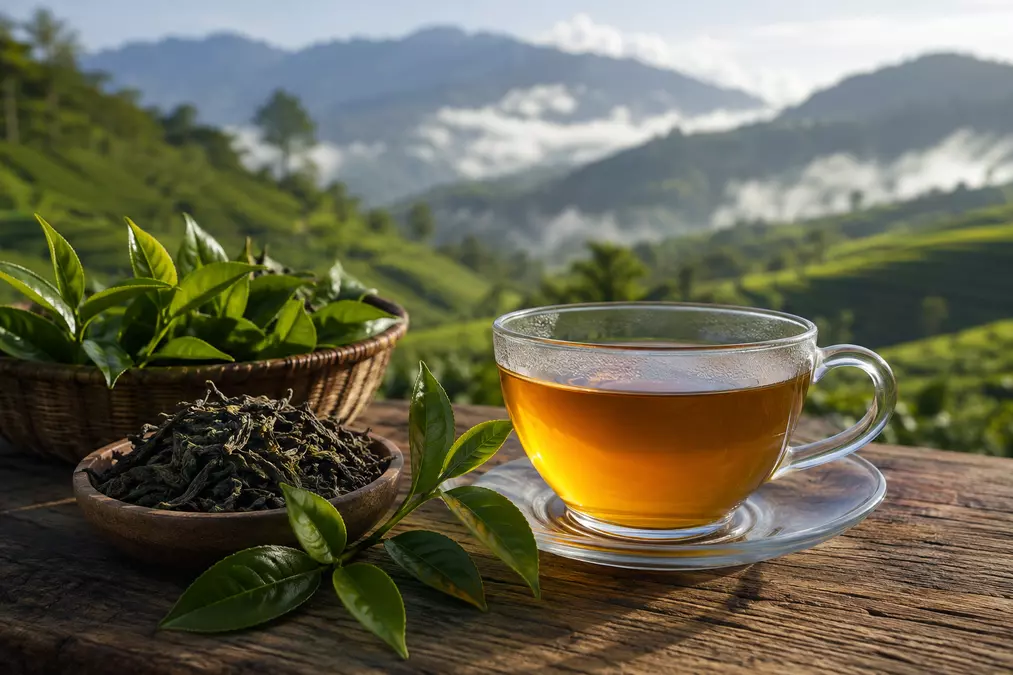 Sikkim Tea: The Complete Guide to Its Origin, Taste, Types & Brewing Method
 Delving into the Scrapyard: Your Guide to Repo
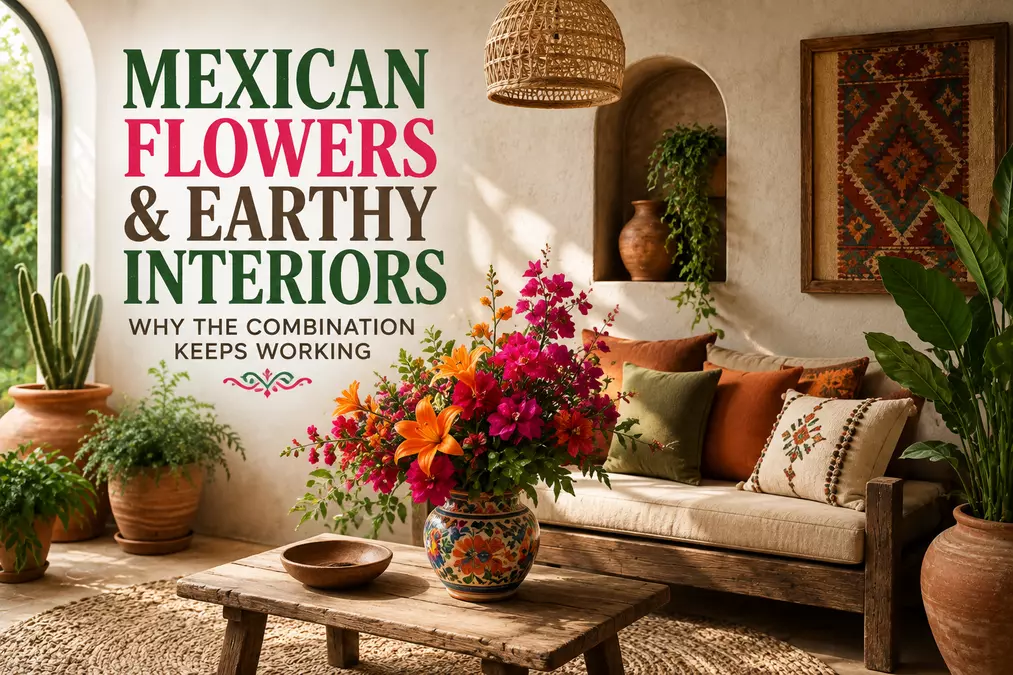 Mexican Flowers and Earthy Interiors: Why the Combination Keeps Working