Article
The Odds Question “Well, what are the odds of this project getting finished today?” my son recently asked me. It was a passive aggressive way of telling me he wanted to stop working for the day. Of course, “What are the odds?” is a common question all of us ask on a daily basis. We want to understand the statistical likelihood of all things in this...
Read article
The Odds Question “Well, what are the odds of this project getting finished today?” my son recently asked me. It was a passive aggressive way of telling me he wanted to stop working for the day. Of course, “What are the odds?” is a common question all of us ask on a daily basis. We want to understand the statistical likelihood of all things in this life. What are the odds of getting promoted? What are the odds that we can get in shape? What are the odds my boss will recognize our effort? What are the odds we can stick to our diet? This list could continue for days. I paused before I responded to my son. “You’re asking the wrong question,” I told him. “Instead of asking what ‘the’ odds are, ask what ‘your’ odds are.” He smiled, as he knew I had just thrown the responsibility of finishing the project today back on his shoulders. Still, I couldn’t help but ponder the difference between the two questions. I couldn’t help but think about how ‘the’ odds don’t have to reflect ‘your’ odds in any endeavor. So, what truly dictates your future? That’s a really good question. Curious, I began scouring my networks. This was a question far too big to ask AI. But what if I could find someone who had already created their own future against the odds, and who is also helping others craft futures for themselves? Who Is Niketa Jhaveri? Niketa Jhaveri is a UX and AI executive with more than two decades in design and technology, currently Sr. Manager, User Experience at Amazon. “The future isn’t something we predict,” she said. “Instead, it’s something we participate in.” She is also the founder and curator of Nivan, an innovation conference and community examining AI, UX, design, and technology across past, present, and future. Nivan’s inaugural Chicago conference sold out, bringing together leaders from more than 11 industries, with speakers from Microsoft, Netflix, AbbVie, and the City of Chicago. Its community now has more than 2,000 members. Jhaveri built the name from “Ni,” for reflection, and “Van,” for motion. When reflection meets motion, Nivan happens. Her focus extends beyond leading the tech itself. “I’m curious about the intersection,” she said. “Technology will continue to shape our futures, but so do the people who shape it and interact with it.” Judgment, Curiosity, Context Jhaveri says the biggest question we can ask ourselves is: Do I have judgment, curiosity, and context? Judgment addresses what she calls Deliberation Debt: the cost of decisions made faster than our ability to question them. AI can give us answers in seconds, but those answers aren’t judgment. Judgment forces us to step back and look at the questions before we consider the answers. Curiosity, she argues, matters more than being right. Being right isn’t the same as being curious, and leaders should value curiosity over “rightness.” Not knowing the answer doesn’t mean you’re wrong—it means you want to keep asking questions to make truly right decisions. Context is undervalued, especially in tech. Solving a problem in one context without exploring the bigger picture can create problems we never anticipated. There is no universal AI user. In Japan, cultural expectations around politeness can significantly shape how people interact with technology. So while AI can scale globally, context can’t. Leadership Advice When asked what advice she would give other leaders, Jhaveri offered three principles she used to build Nivan, noting they work in any endeavor. First, build your room. “Don’t build your network, but instead build your room,” she said. “Nothing productive happens on an island, or in a crowded sea. The goal is to bring the right people into the room so ideas can collide, coincide, and complement one another.” Second, don’t wait for a title. “You don’t need a title to generate ideas, live by your principles, or draw on your past to build something meaningful,” she added. “Some of the ideas that matter most for the future begin long before anyone recognizes their value.” Third, stop waiting to be invited. “No one ever told me that I could do anything I’ve done,” she concluded. “I’ve failed many times and I’m sure you will too. The key is to learn from those failures, so you can improve and try again. But don’t wait to be invited.” That lesson played out at home, too: the son finished his project once he set his mind on his own odds.


 How Can a Content Marketing Agency London Turn Existing Website Content Into More Sales Enquiries?
 Silverbhai – Digital Cricket Exchange and Modern Sports Entertainment
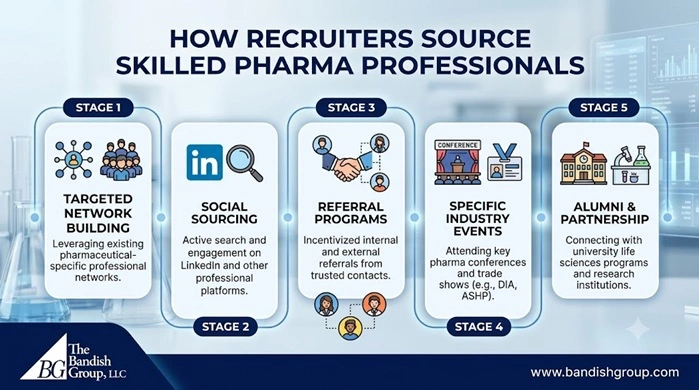 How Do Recruiters Source Skilled Professionals for Pharma Roles?
 ISO 27017 Certification in Columbus: Cloud Security
 Procurement Software UAE for Managing Purchases Across Branches
 3 Features That Make M9 Bayonets (and Replicas) Practical Tools