Article
Pharmaceutical recruitment requires a more specialized approach than general professional hiring because many positions demand a combination of scientific knowledge, regulatory awareness, technical expertise, and industry experience. Recruiters working in this market need to understand the differences between functions such as drug discovery, clini...
Read article
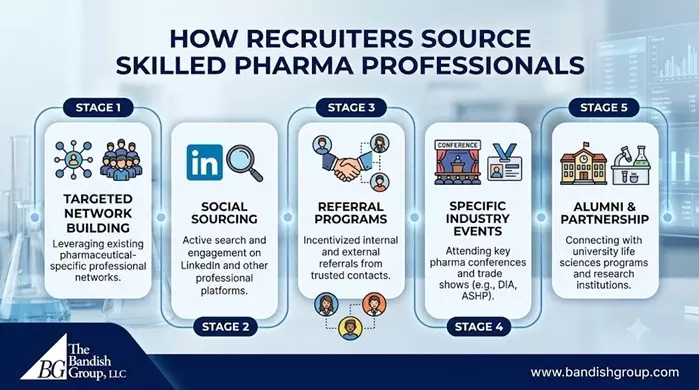
Pharmaceutical recruitment requires a more specialized approach than general professional hiring because many positions demand a combination of scientific knowledge, regulatory awareness, technical expertise, and industry experience. Recruiters working in this market need to understand the differences between functions such as drug discovery, clinical development, regulatory affairs, pharmacovigilance, quality, manufacturing, and commercial operations. The best scientific recruiting companies in the USA typically build sector-specific knowledge so they can assess whether a candidate's background genuinely aligns with the scientific and operational requirements of a role. A pharmaceutical organization may be searching for a scientist with experience in a particular therapeutic area, a regulatory professional familiar with specific submission pathways, or an operations leader who understands GMP requirements. These distinctions influence how recruiters identify candidates and evaluate their suitability. Defining the Technical Requirements Effective sourcing begins before recruiters contact potential candidates. The hiring organization and search partner first need to establish a clear understanding of the position, particularly when working with retained executive search for specialized pharmaceutical roles. This typically includes: Required scientific or technical qualifications. Relevant therapeutic-area experience. Experience with specific development stages or platforms. Regulatory and compliance knowledge. Leadership responsibilities. Geographic and travel requirements. Experience within pharmaceutical, biotech, or related environments. Organizational and team-building expectations. For senior positions, recruiters also need to distinguish between candidates who have performed a function and those who have successfully led it. A regulatory affairs executive, for example, may possess extensive submission experience without having managed a regulatory strategy across multiple products or markets. Building Specialized Candidate Networks Pharmaceutical professionals with highly specialized expertise are not always actively looking for new positions. Recruiters therefore rely heavily on professional networks, industry relationships, referrals, previous candidate relationships, and targeted research. This is one area where retained executive search can provide a structured framework for difficult searches. Rather than relying primarily on inbound applications, a retained search typically involves dedicated research and direct engagement with professionals who may not be visible through conventional job advertising. Recruiters may map organizations, functions, therapeutic areas, and relevant leadership backgrounds to identify potential candidates. The objective is not simply to produce a large candidate pool. It is to identify professionals whose experience corresponds closely with the organization's actual requirements. Evaluating More Than a Resume A strong pharmaceutical candidate may look impressive on paper while still being unsuitable for a particular position. Recruiters need to examine the substance behind titles and responsibilities, which is a key focus for best scientific recruiting companies in the USA. Recruiters can evaluate candidates through detailed discussions covering: Scope of previous responsibilities. Products or programs supported. Therapeutic-area exposure. Regulatory environments. Team and budget responsibility. Development or commercialization stages. Specific technical achievements. Reasons for career transitions. This deeper assessment helps distinguish transferable experience from direct functional relevance. Assessing Leadership for Senior Pharma Roles Senior pharmaceutical hiring involves another layer of evaluation. Technical credibility remains important, but leadership capability, strategic thinking, communication, and organizational experience become increasingly significant. For executive positions, recruiters may examine how candidates have handled organizational growth, restructuring, product development decisions, regulatory challenges, cross-functional collaboration, or international operations. The best scientific recruiting companies in the USA often approach these searches by considering both technical qualifications and the business context surrounding the role. A candidate may have excellent scientific credentials, but the position may also require experience influencing senior stakeholders, managing complex teams, or translating technical information into business decisions. Maintaining Confidentiality and Candidate Engagement Confidentiality is particularly important when recruiting senior professionals. Executives may be employed by competitors or may only consider opportunities that align closely with their long-term career objectives. Recruiters need to communicate clearly about the organization, position, expectations, and recruitment process while respecting confidentiality requirements. Candidate engagement should also be based on accurate information rather than exaggerated descriptions of the opportunity. In a retained executive search, ongoing communication is particularly important because the process can involve extensive research, multiple interviews, reference discussions, and detailed alignment between the organization and candidate. Matching Talent with Organizational Needs Sourcing is only one part of pharmaceutical recruitment. The ultimate objective is to establish a strong match between the professional's capabilities and the organization's requirements. This requires understanding the company's stage of development, pipeline, operating model, leadership structure, regulatory environment, and immediate business priorities. A candidate who is highly successful within a large multinational pharmaceutical company may have a different skill set from someone accustomed to building functions inside an emerging biotech organization. Recruiters therefore need to evaluate context alongside credentials. This approach makes the search more precise and gives hiring teams better information when making their own decisions. Conclusion Sourcing skilled professionals for pharmaceutical roles requires industry knowledge, targeted research, technical understanding, and careful candidate assessment. The best scientific recruiting companies in the USA combine specialized market knowledge with disciplined search processes to identify professionals whose experience aligns with specific organizational needs. For complex leadership appointments, retained executive search provides a structured approach that can support deeper market mapping, direct candidate engagement, and detailed evaluation. When recruiters understand both the technical demands of a role and the business environment in which it operates, they can help organizations build specialized teams capable of supporting long-term pharmaceutical development and growth.

 Silverbhai – Digital Cricket Exchange and Modern Sports Entertainment
 ISO 27017 Certification in Columbus: Cloud Security
 Procurement Software UAE for Managing Purchases Across Branches
 3 Features That Make M9 Bayonets (and Replicas) Practical Tools
 Why You Should Store Your Replica Blade Sword Outside of Its Scabbard
 How to Prepare High Performers for Leadership Roles