Article
Don’t Want to Use AI on the Job? Here’s How to Stay Ahead Many new graduates and early-career professionals are worried about AI in the workplace. In fact, 89% of recent grads fear AI could replace entry-level jobs, according to Monster’s 2026 Graduate AI Readiness Report. If you’re one of them, you might think the only way to protect your career i...
Read article
Don’t Want to Use AI on the Job? Here’s How to Stay Ahead Many new graduates and early-career professionals are worried about AI in the workplace. In fact, 89% of recent grads fear AI could replace entry-level jobs, according to Monster’s 2026 Graduate AI Readiness Report. If you’re one of them, you might think the only way to protect your career is to embrace AI. But that’s not true. You can still protect your career from AI without using it daily. Here are three practical strategies to stay valuable and secure—even if you avoid AI at work. 1. Choose Career Paths That Are Less Affected by AI If you’re starting out or open to changing direction, focus on roles and industries where AI isn’t taking over. This is a smart way to future-proof your career. Target AI-Resistant Jobs Some careers are harder to automate. For example, healthcare and air transportation jobs often require human judgment and hands-on care. ResumeNow lists AI-resistant careers like nurses, pilots, and mechanics. Even if those exact roles don’t fit you, explore industries you haven’t considered—like skilled trades, education, or personal services. Work for Smaller Companies Mom-and-pop shops, nonprofits, and local businesses often lack the budget for AI tools. They need people who can handle many tasks, not just AI prompts. If you’ve only looked at big corporations, try searching for small businesses hiring near you. Just check their financial health before accepting an offer. Go Self-Employed If you want full control, start your own business. You already have skills you can sell—tutoring, pet care, cleaning, or freelance writing. Working for yourself lets you decide how much AI to use. As you build confidence, you can always return to a traditional job later. 2. Build Income Streams Outside Your Job If you can’t avoid AI at work yet, start creating alternative income sources. This gives you freedom to choose jobs that match your comfort level. Start a Side Hustle Use your unique skills to earn extra cash. Examples: teach piano, do bookkeeping for a local shop, or offer household help. Side businesses have low startup costs (just your time), and you can scale up or down easily. Put that extra money into a financial independence fund. Invest for Passive Income Dividend stocks, rental properties, or private lending can generate money without daily work. Even with little capital, start small and let compound growth work. Partner with a friend or family member who has money to invest—you find the deals, they provide the funds. Save Aggressively Cut costs to boost your savings. Get a roommate, bike to work, or move to a cheaper city if you can work remotely. Every dollar saved brings you closer to financial independence and less reliance on any single job. 3. Invest in AI Companies Without Using AI You don’t have to use AI to benefit from its growth. Investing in AI companies lets you participate in the AI revolution with your money, not your daily work. Learn About AI Trends Follow news about AI companies and technologies. This builds knowledge you can use in future roles—even if you avoid AI now. Understanding the industry also makes you more valuable to employers who need team members who grasp the big picture. Grow Your Comfort Level Learning about AI’s benefits and risks may reduce your anxiety. You might discover ways AI can help without replacing you. This curiosity could even spark interest in using AI later, on your own terms. Diversify Your Income AI investments add variety to your portfolio. Profits can go straight into your independence fund. And if you later decide to use AI at work, you’ll already understand the market. Either way, you win. Protecting your career from AI doesn’t mean you must use it. By choosing the right path, building side income, and investing wisely, you stay in control. The key is to stay adaptable and proactive—not to fear technology, but to work around it on your own terms.


 How Can a Content Marketing Agency London Turn Existing Website Content Into More Sales Enquiries?
 Silverbhai – Digital Cricket Exchange and Modern Sports Entertainment
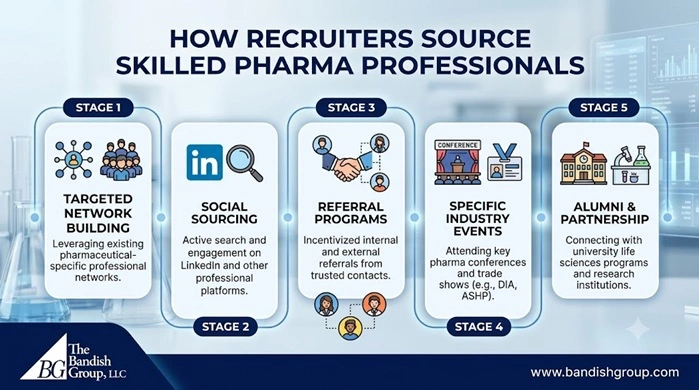 How Do Recruiters Source Skilled Professionals for Pharma Roles?
 ISO 27017 Certification in Columbus: Cloud Security
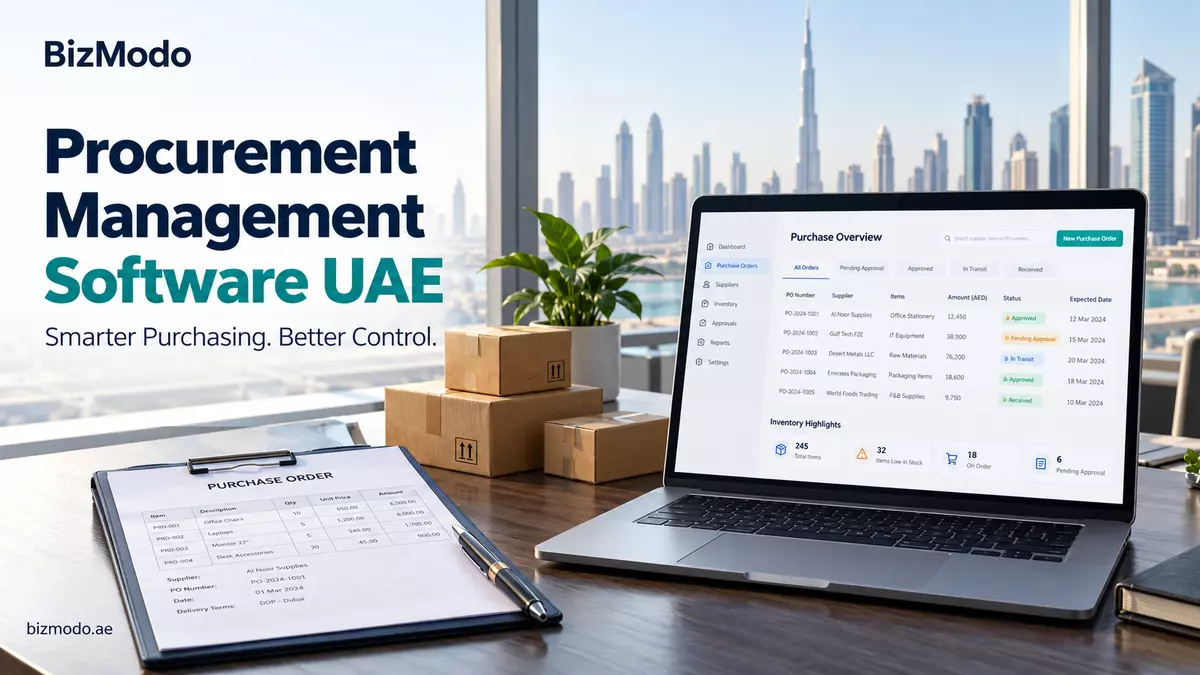 Procurement Software UAE for Managing Purchases Across Branches
 3 Features That Make M9 Bayonets (and Replicas) Practical Tools