Alerts

-
5 minutes, 21 seconds
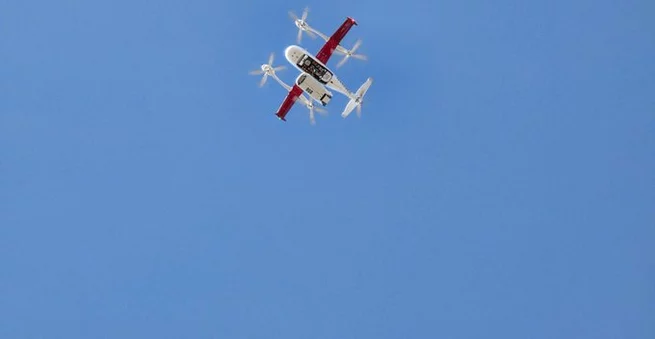
Imagine ordering lunch and having it arrive without a car, bike, or human courier. That’s exactly what happened on a windy afternoon in Rowlett, Texas, when a Zipline drone hovered overhead, lowered a small brown-paper package, and delivered lunch in under 30 seconds. This isn’t a sci-fi scene—it’s reality. Zipline’s drone delivery service, already a lifesaver in Africa, is now delivering burritos, snacks, and household items to customers in Texas, with more locations on the way.
For people curious about drone delivery, the big question is: could these flying robots replace traditional delivery? Zipline offers a glimpse into a future where drones make fast, reliable, and even fun deliveries a normal part of everyday life.
Zipline may be new to the U.S. food scene, but its history goes back to 2016. The California-based company first gained attention by delivering medical supplies in Rwanda, reaching remote villages in minutes that would have taken hours by road. Independent studies confirm that Zipline’s deliveries have saved lives, making it one of the rare startups where tech meets tangible humanitarian impact.
Now, Zipline is bringing that expertise to Texas, proving that the same drones that deliver vaccines and blood can also deliver lunch. The drones can carry payloads up to four pounds and navigate complex weather patterns autonomously, ensuring timely delivery—even on windy days.
The drones Zipline uses, called Platform 1 or P1, look like oversized model airplanes. Workers load packages into the belly of the craft, launch them with a giant slingshot, and the P1 plots its own route across the sky. These uncrewed aircraft can fly up to 120 miles round-trip, adjusting in real time to weather conditions and obstacles along the way.
When the drone reaches its destination, a clever tether system gently lowers the package to the ground without the aircraft ever landing. Within seconds, your burrito or first-aid kit arrives intact, ready to grab. For urban and suburban areas, this system dramatically reduces delivery time while keeping the skies safe.
For consumers, drone delivery promises speed, convenience, and a touch of novelty. Instead of waiting 30–45 minutes for food delivery stuck in traffic, a drone can cut that time significantly. For companies, it reduces dependence on human couriers and vehicles, which can save costs and reduce carbon emissions.
Zipline’s success in Texas is also a test case for wider adoption. If drones can handle everyday deliveries in suburban environments, the model could expand to more cities, schools, hospitals, and even rural areas that traditionally struggle with fast logistics.
Despite the excitement, drone delivery faces challenges. Regulatory approvals, airspace safety, and public acceptance remain key hurdles. Drones must operate safely above neighborhoods, and companies must navigate strict FAA rules.
Still, Zipline’s decade-long track record in Africa and now in Texas shows that careful planning, reliable tech, and community buy-in make airborne deliveries feasible. As the technology improves, what once felt futuristic—like a burrito descending from the sky—could become just another ordinary part of life.
Zipline’s blend of speed, precision, and innovation is pushing the boundaries of what delivery can look like. From life-saving medical shipments to lunch, drones are proving they can reliably and safely connect people with the items they need, almost instantly.
For Texans watching a drone lower a burrito onto a patch of grass, the future isn’t coming—it’s already flying overhead. Drone delivery might just turn ordinary errands into extraordinary experiences, making the sky the new highway for everything from meals to essential supplies.









Comment