
-
8 minutes, 11 seconds
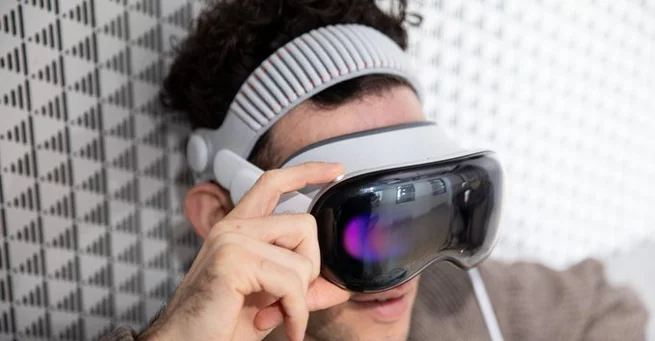
YouTube on Apple Vision Pro has officially arrived, answering one of the biggest questions since Apple launched its spatial computing headset. After more than two years of waiting, users can now access a native YouTube app designed for visionOS. The launch brings support for standard videos, Shorts, and immersive formats like 3D, 360-degree, and VR content. For early adopters of Apple’s headset, this marks a major milestone that finally unlocks the full entertainment potential of the device.
When the Apple Vision Pro first launched, many users were surprised that there was no official YouTube app available. Initially, YouTube had indicated it wasn’t planning a dedicated app for Apple’s mixed-reality ecosystem. That decision raised concerns about whether major platforms would fully support spatial computing.
However, just days after launch, the company reversed course and confirmed development was on its roadmap. Now, roughly two years later, the official visionOS YouTube app has arrived, validating long-term support for immersive platforms. The delay highlights how complex it is to build apps for entirely new interfaces like spatial computing.
The official app introduces a full-featured YouTube experience tailored for spatial viewing. Users can watch regular videos and Shorts in a floating theater-style interface that integrates naturally into visionOS environments. This alone improves usability compared to browser-based workarounds many users relied on.
More importantly, the app unlocks immersive video formats that make sense on a mixed-reality headset. Support for 3D, 360-degree, and VR180 videos allows viewers to step inside content rather than simply watching it on a virtual screen. For creators producing immersive videos, this expands YouTube’s role as a distribution platform for next-generation media.
The arrival of YouTube on Apple Vision Pro isn’t just about convenience—it signals a shift in immersive media adoption. Spatial computing devices thrive on immersive content, and YouTube’s massive library provides a ready-made ecosystem for users exploring VR experiences.
This also benefits creators experimenting with immersive formats. Instead of relying on niche VR platforms, they can publish directly to YouTube and reach audiences using high-end devices like Apple’s headset. Over time, this could encourage more spatial storytelling, travel experiences, virtual concerts, and educational content.
For Apple, landing a native YouTube app strengthens the broader visionOS ecosystem. The company has positioned Vision Pro as more than a headset—it’s a spatial computing platform blending productivity, entertainment, and communication.
Major platform support is critical for long-term success. Native apps from key players like YouTube validate Apple’s strategy and help convince developers that spatial computing is worth investing in. With more high-profile apps arriving, Vision Pro’s app ecosystem is gradually maturing.
Before the official launch, Vision Pro users relied on creative workarounds. Some developers created unofficial YouTube clients that mimicked native experiences, filling the gap left by the absence of an official app.
One such example came from indie developers who tried to replicate YouTube functionality in visionOS-friendly interfaces. However, unofficial apps often faced limitations or removal from app stores, reinforcing the need for official platform support. The new release eliminates those concerns and offers a stable, supported experience.
The YouTube Vision Pro launch carries broader implications beyond a single app release. Support from a platform as massive as YouTube validates the entire mixed-reality category. Historically, emerging platforms struggle until major services arrive—something seen in early smartphones and smart TVs.
Now, with YouTube onboard, Apple Vision Pro gains a stronger value proposition for mainstream users. Entertainment has always driven adoption of new hardware, and YouTube’s presence lowers the barrier for everyday consumers considering spatial devices.
Even though YouTube is owned by Google, the collaboration reflects a pragmatic approach to platform growth. Apple and Google often compete fiercely, but they also rely on each other’s ecosystems in areas like search, video, and mobile apps.
The arrival of YouTube on Vision Pro shows that cross-platform cooperation still matters. For users, it ensures access to familiar services regardless of device brand, which is essential for new computing categories to succeed.
For current Vision Pro owners, the update significantly enhances daily usability. Watching YouTube is one of the most common online activities, and native support removes friction from the experience. Instead of using browsers or unofficial apps, users now get a polished interface optimized for spatial environments.
The update also opens the door for better discovery of immersive videos. As more creators experiment with spatial content, Vision Pro users may see a steady increase in high-quality VR experiences directly inside YouTube.
The release of YouTube on Apple Vision Pro could mark a turning point for Apple’s mixed-reality ambitions. Hardware alone rarely drives adoption—content and apps ultimately determine whether a platform thrives.
With YouTube finally available, Vision Pro feels more complete as an entertainment device. The move also sends a signal to other developers that investing in spatial computing may be worthwhile. If more major platforms follow, Apple’s headset could transition from an early adopter gadget into a mainstream computing category.
YouTube’s long-awaited arrival on Apple Vision Pro may have taken years, but it delivers one of the most important updates for spatial computing so far. By bringing immersive video formats and native support to visionOS, the launch strengthens Apple’s ecosystem and expands YouTube’s reach into the future of digital media.

2.5K articles

1.3K articles

34 articles

28 articles












Comment