
Alerts
-
3 minutes, 15 seconds
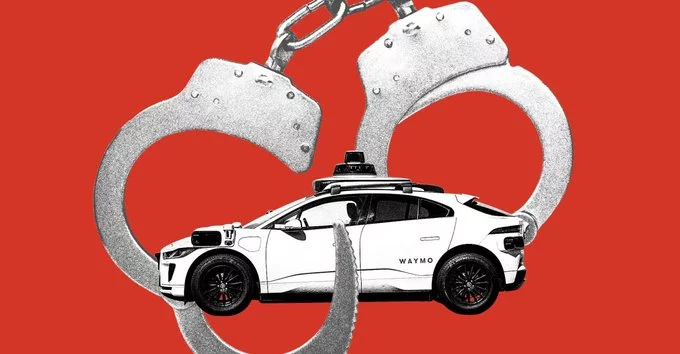
A Waymo robotaxi ride in San Francisco ended with the arrest of two teenagers after the vehicle's systems detected a gun inside the cabin and the company contacted law enforcement. According to reports, the autonomous vehicle flagged the weapon during the trip, prompting Waymo to notify police rather than remain a passive observer of its own interior.
Officers responded and took two juveniles into custody. The episode marks one of the clearest examples yet of a self-driving car functioning not merely as transportation but as a sensor-laden witness, capable of recognizing a weapon and escalating that observation to authorities in real time.
The detail that a rider was allegedly armed inside a commercial robotaxi raises immediate questions about what such vehicles see, record, and report. Unlike a human driver, a Waymo cannot look away or choose to stay silent. Its cameras and software are always on, and the company behind them decides when a detection becomes a police matter. For passengers, the arrest is a concrete reminder that the cabin of a driverless car is a monitored space, and that the machine itself may be the one calling for help.
The Waymo incident raises uncomfortable questions about what a driverless car can see, record, and report. If a vehicle can detect a firearm inside the cabin and alert police, the same sensors may capture far more about its passengers.
Autonomous vehicles rely on cameras, microphones, and other sensors to understand their surroundings. This means the interior of the car is no longer a private space in the traditional sense. Passengers may be observed at all times, even when no human driver is present.
The episode also exposes the limits of privacy in an autonomous vehicle. Unlike a conventional car, where a driver controls what happens inside, a robotaxi operates as a self-contained system that can identify and act on what it detects.
Key concerns include:
For riders, the incident suggests that privacy inside a driverless car may be far narrower than they assume, and that the vehicle itself can become a witness.
The source does not provide details on the detection method used in this incident. As a result, it is not possible to say with certainty how the vehicle identified the gun or what triggered the notification to police.
This absence of information leaves several questions unanswered:
Without these details, it is also unclear how the system distinguished a suspected firearm from other objects, or what level of confidence was required before notifying law enforcement.
For now, the exact mechanism behind the detection remains unknown based on the available reporting.
The source material for this article does not include any information about broader impact or public reactions to the incident. No statements from Waymo, law enforcement, privacy advocates, or members of the public are provided, and no commentary on how the event might influence future policy, regulation, or public perception of autonomous vehicles is available.
Because the source is silent on these points, this section cannot report on responses from any party, nor can it assess the wider consequences of the detection for the autonomous vehicle industry or for debates around surveillance and privacy. Any discussion of such reactions would require information the source does not contain.
Readers seeking details on the broader impact of this incident should consult additional reporting or official statements, as the material available here is limited to the incident itself, its privacy implications, and the technical explanation of how the detection occurred.









Comment