Alerts

-
3 minutes, 18 seconds
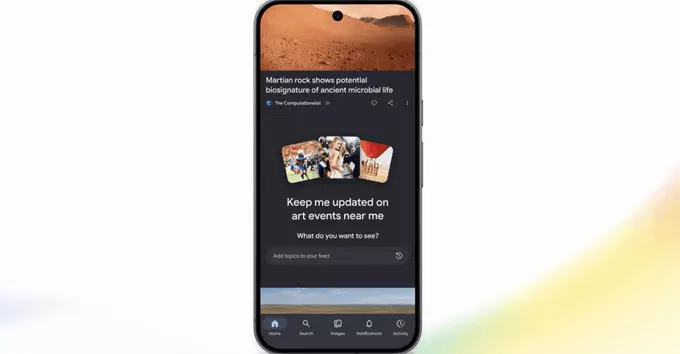
Google is currently testing a new feedback mechanism within its Google app on both iOS and Android. This experimental feature aims to give users more direct control over their Discover feed by allowing them to describe their preferences using natural language. Instead of relying solely on the existing controls—such as following topics or hiding specific stories—users can now type or speak phrases like “less politics” or “more tech” to refine the content they see.
The system is designed to interpret these conversational prompts and adjust the feed accordingly, moving beyond simple binary actions. This represents a shift toward a more intuitive, user-driven customization process. The feature is currently in a testing phase, meaning it is not yet widely available to all users. Google is likely evaluating how effectively these natural language inputs improve content relevance and user satisfaction before deciding on a broader rollout. The goal is to make the Discover experience feel more personalized and responsive to individual, evolving interests.
When the feature is available, you’ll see a new option on eligible cards—look for a “show fewer stories like this” prompt or a similar variation. This appears directly on the card’s overflow menu or as a quick-action button, depending on your app version.
Once you tap it, a text box opens, allowing you to type your preferences in your own words. For example, you might write “less celebrity gossip” or “more in-depth tech analysis.” The system then uses your input to refine future recommendations in your Discover feed.
Keep in mind that this is not a permanent block—it’s a feedback signal, not a hard filter. You can repeat the process on other cards to further tune results. The feature is currently in limited testing, so not all users will see it immediately. If it’s not visible on your device, it simply means your account hasn’t been included in this test group yet. No action is required on your part; Google will evaluate responses before a broader rollout.
The new feedback feature is designed to give users more direct control over the content they see in their Google Discover feed. By allowing you to indicate which topics or sources you find less interesting, the goal is to refine the algorithm’s understanding of your preferences.
However, it is important to note that this is not a permanent filter. Unlike a mute or block function that removes specific sources indefinitely, this feature works as a signal for future personalization. Google has stated that it will use the feedback you provide to adjust and improve the content recommendations you receive over time.
In essence, your input helps the system learn, but it does not guarantee that similar items will never appear again. The feature is a step toward a more responsive feed, but it operates within the broader context of ongoing algorithmic adjustments rather than as a fixed set of exclusions.
As of now, the feedback feature is not widely available to all Google Discover users. Instead, Google is conducting a limited test, rolling the feature out to only a small percentage of users across the platform. This phased approach allows the company to gather real-world data and evaluate the feature’s effectiveness before any broader release.
Importantly, Google has not announced a full rollout date. There is no official timeline for when the feature will become a permanent, universal part of the Discover feed. Users who do not see the option should not be alarmed, as its absence simply means they are not part of the current test group. The company will likely rely on feedback from this initial cohort to refine the tool, but until an official announcement is made, availability will remain sporadic and unpredictable.










Comment