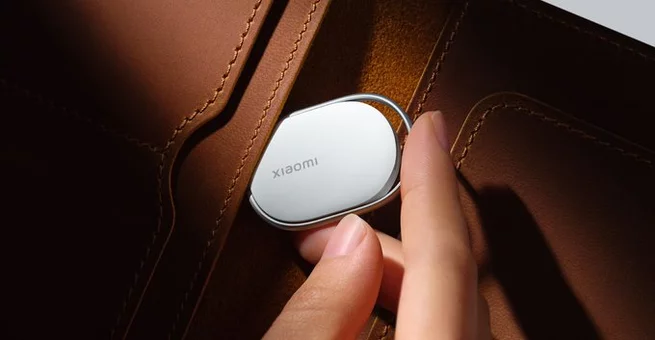
Losing keys or bags might soon be less stressful thanks to the new Xiaomi Tag tracker. The compact Bluetooth tracker stands out immediately with a built-in metal loop, meaning you can attach it to keys, backpacks, or luggage without buying extra accessories. Announced at a major tech showcase in Barcelona, the tracker targets everyday users who want simplicity and affordability. With cross-platform compatibility and practical design upgrades, the Xiaomi Tag is already drawing comparisons to leading trackers in the market.
Unlike many rivals, Xiaomi focused on usability straight out of the box. The integrated loop eliminates the need for cases, clips, or keyring holders. That small design decision solves one of the most common frustrations users have with Bluetooth trackers. It also signals a shift toward practical design rather than accessory-driven ecosystems.
Most Bluetooth trackers rely on add-ons to become usable in real life. The Xiaomi Tag flips that approach by embedding a metal loop directly into the body. This makes it easier to attach the tracker to keys, zippers, pet collars, or travel gear instantly. Users who value convenience will likely appreciate the no-extra-cost functionality.
The elongated shape also sets it apart visually. While slightly larger than some competitors, the design trade-off adds flexibility in real-world use. It feels less like a gadget that needs protection and more like a ready-to-use daily tool. That shift could appeal to buyers tired of hidden accessory costs.
One of the biggest highlights is broad ecosystem compatibility. The Xiaomi Tag supports both Apple’s Find My network and Google’s device-finding ecosystem, though users must choose one during setup. That flexibility gives it a rare advantage in a space often divided by platform loyalty.
For iPhone users, integration with the Apple ecosystem means seamless tracking through familiar apps. Android users can tap into tracking powered by Google services. This dual compatibility could make the tracker especially appealing to households with mixed devices. It also signals Xiaomi’s growing ambition to build platform-agnostic hardware.
Practicality extends beyond compatibility. The Xiaomi Tag runs on a replaceable CR2032 coin battery designed to last up to a year under normal usage. That puts it on par with many premium trackers, offering convenience without frequent charging or battery anxiety.
Durability is another strong point. With an IP67 rating, the tracker can survive dust exposure and short water submersion. Everyday mishaps like rain, spills, or accidental drops shouldn’t be a major concern. These rugged features make it suitable for commuters, travelers, and outdoor users alike.
Not every feature makes the cut. The Xiaomi Tag lacks ultra-wideband (UWB) technology, which enables ultra-precise location tracking in some premium trackers. Without it, users won’t get pinpoint directional finding when close to the device. Instead, locating the tracker relies on audible alerts once you’re nearby.
For some buyers, this omission could be a deal-breaker. However, many everyday users rely on trackers mainly for last-known location and proximity alerts. If ultra-precise indoor navigation isn’t a priority, the missing feature may not significantly impact real-world usability. The lower price may ultimately outweigh the compromise.
Affordability may be the Xiaomi Tag’s strongest selling point. Early pricing places it well below premium competitors, making it accessible for casual users and multi-device buyers. Budget-friendly bundles also encourage buying several units at once for keys, bags, and travel gear.
That pricing strategy positions the tracker as a compelling alternative to options like the Apple AirTag. While premium trackers still offer advanced features, Xiaomi’s value-focused approach could win over cost-conscious consumers. It also reflects a broader trend of feature-rich gadgets becoming more affordable.
The Xiaomi Tag represents more than just another tracker launch. It signals the continued expansion of Xiaomi into smart lifestyle products designed for global audiences. By supporting multiple ecosystems and prioritizing affordability, the company is clearly aiming beyond its traditional markets.
This strategy aligns with Xiaomi’s push to compete internationally with accessible innovation. Instead of locking users into a single platform, the brand appears focused on flexibility and real-world practicality. That approach could help it attract users who value versatility over brand lock-in.
The Xiaomi Tag may not be the most feature-packed tracker available, but it nails the fundamentals. A built-in loop, cross-platform compatibility, and year-long battery life create a strong value proposition. While the lack of ultra-wideband tracking may limit advanced use cases, the lower price balances the equation.
For users who want a straightforward, affordable way to keep track of everyday essentials, the Xiaomi Tag could become a popular choice. Its no-case-needed design alone removes a common annoyance in the tracker market. As competition heats up, Xiaomi’s practical approach might reshape expectations for what a budget tracker should deliver.


Copyright © 2026




Array