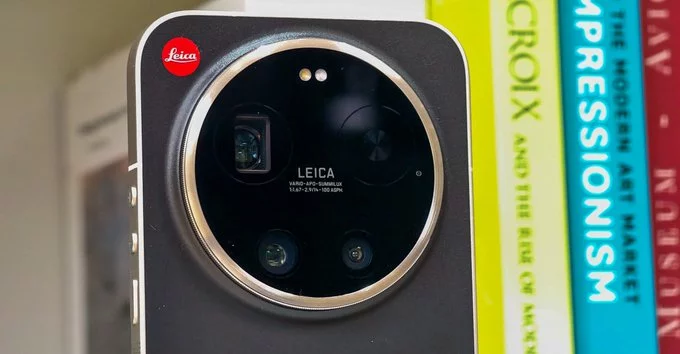
Xiaomi cameras are taking a different path in 2026 — and it’s not AI-first. At MWC 2026 in Barcelona, the company launched the Xiaomi 17 and 17 Ultra in Europe with minimal emphasis on artificial intelligence. Instead, Xiaomi spotlighted camera hardware innovations, including continuous zoom and a new LOFIC sensor. While rivals like Google and Samsung pushed AI photography features at their recent launches, Xiaomi made it clear: better hardware still matters most.
That strategy could reshape how we think about smartphone photography this year.
During its MWC presentation, Xiaomi unveiled the 17 Ultra and a special edition co-created with Leica, reinforcing its long-running partnership with the iconic camera brand. Rather than highlighting generative AI editing tools or computational tricks, Xiaomi focused on physical upgrades inside the camera module.
The standout additions include continuous optical zoom and a LOFIC (Lateral Overflow Integration Capacitor) sensor designed to improve dynamic range. These are tangible, engineering-driven improvements. They directly impact how light is captured, rather than relying heavily on post-processing.
In an era when smartphone launches are often packed with AI buzzwords, Xiaomi’s presentation felt almost old-school — and intentionally so.
According to Angus Ng, Xiaomi’s director of communications and public relations, this approach is deliberate. Speaking at MWC 2026, Ng explained that Xiaomi is still exploring the limits of hardware innovation before leaning fully into software-based solutions.
He acknowledged that AI already plays a role in Xiaomi’s imaging systems. However, the company isn’t marketing it as aggressively as competitors. Past attempts to heavily promote AI-driven features didn’t receive overwhelmingly positive feedback from users, Ng noted.
That feedback appears to have shaped Xiaomi’s 2026 strategy. Instead of chasing trends, the company is refining core camera fundamentals — sensors, optics, and zoom mechanics.
The contrast with competitors was hard to ignore. When Google unveiled the Pixel 10A and Samsung introduced the Galaxy S26, AI photography tools dominated their keynotes. Features like generative edits, AI-enhanced zoom, and automatic scene reconstruction took center stage.
Ng offered a pointed personal theory about Samsung’s direction. He suggested that when hardware upgrades plateau, companies pivot toward software to maintain excitement. While not an official criticism, the implication was clear: Xiaomi believes hardware innovation still has room to grow.
Samsung’s Galaxy S26 may lean into computational photography, but Xiaomi seems convinced that physical optics can still deliver meaningful gains.
Continuous optical zoom is one of the most practical hardware upgrades introduced on the 17 Ultra. Unlike fixed zoom steps, continuous zoom allows smoother transitions across focal lengths, closer to what users experience on dedicated cameras.
The LOFIC sensor, meanwhile, improves dynamic range by managing excess charge from bright light conditions. In real-world terms, that could mean better detail retention in high-contrast scenes — such as sunsets or night cityscapes.
These upgrades aren’t flashy demo features. They’re foundational improvements that affect every photo taken.
For photography enthusiasts, that distinction matters.
Smartphone photography has evolved through two major phases. The first was sensor and optics innovation. The second was computational photography powered by AI. Now, the industry appears split on which direction should lead.
Google’s Pixel line became famous for software-driven photography breakthroughs. Samsung has increasingly leaned into AI branding. Xiaomi, however, is betting that premium hardware still differentiates flagship phones.
This doesn’t mean Xiaomi ignores AI. Instead, it’s choosing not to make AI the headline act. The company appears to believe that software enhancements should complement strong hardware — not compensate for stagnation.
Xiaomi’s approach suggests a long-term confidence in physical innovation. Rather than assuming hardware has reached its peak, the company is pushing for incremental but meaningful improvements in sensor technology and optical engineering.
That strategy could appeal to photography purists who prefer natural image capture over heavy algorithmic enhancement. It also strengthens Xiaomi’s partnership positioning with Leica, reinforcing credibility in imaging hardware.
At a time when AI is often marketed as the solution to everything, Xiaomi’s message is refreshingly focused: build better cameras first.
MWC 2026 has already revealed a clear theme — AI is everywhere. Yet Xiaomi’s hardware-first camera philosophy stands out precisely because it challenges that narrative.
If the Xiaomi 17 Ultra delivers noticeably better real-world photos, it could validate the company’s bet. On the other hand, if consumers continue to prioritize AI editing convenience over optical purity, competitors may gain the upper hand.
Either way, the debate between hardware and software isn’t ending anytime soon.
For now, Xiaomi cameras are proving that innovation doesn’t always have to start with artificial intelligence. Sometimes, it starts with better glass, smarter sensors, and engineering that pushes physical limits.
And in a smartphone market saturated with AI promises, that might be the boldest move of all.






Comment