
Alerts
-
3 minutes, 26 seconds
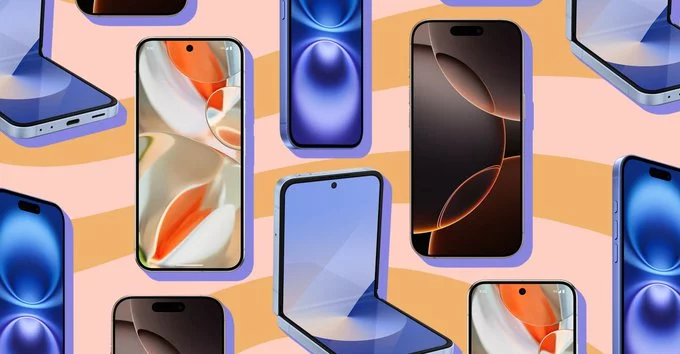
This month is shaping up to be one of the most intense periods on the mobile calendar, as several major manufacturers are scheduled to unveil their next-generation flagship devices. The coming weeks alone will see key releases from Xiaomi, Apple, and Huawei, with other prominent brands also expected to join the fray. This convergence of launch events creates a uniquely crowded landscape, turning what is usually a steady stream of announcements into a concentrated burst of high-profile debuts.
For consumers and industry observers alike, this timing means the competitive pressure is at an all-time high. Each company is vying for attention, pushing the boundaries of camera technology, chipset performance, and AI integration to stand out. The sheer volume of releases makes it challenging to track every detail, which is precisely why this roundup exists. As the month unfolds, we will break down each major announcement, comparing specifications and positioning to help you understand the shifting dynamics of the premium smartphone market.
This month, the spotlight falls on two heavyweight contenders. Xiaomi is set to unveil its next flagship, the Xiaomi 15 Ultra, which is expected to lead the charge with a cutting-edge quad-camera system co-engineered with Leica, featuring a new 1-inch sensor for exceptional low-light performance. It will be powered by the Snapdragon 8 Elite chip and boasts a 6.7-inch AMOLED display with a 120Hz refresh rate, solidifying its position as a photography-first powerhouse.
Meanwhile, Apple is preparing to launch the iPhone SE (4th generation), a significant shift for its budget line. According to the source, this model is expected to feature a 6.1-inch OLED display, Face ID, and a single 48MP rear camera. Crucially, it will be powered by the A18 chip with 8GB of RAM, enabling full support for Apple Intelligence features. This marks the first SE to adopt an all-screen design, dropping the traditional home button and transitioning to USB-C, making it a compelling flagship-adjacent option for a wider audience.
Huawei is expected to counter the competition with its own flagship launch this month, likely focusing on its latest camera technology and proprietary software advancements. The company continues to push its ecosystem integration, aiming to solidify its position despite ongoing market pressures.
Meanwhile, other major players are also vying for attention. Samsung is reportedly preparing to unveil a new addition to its high-end Galaxy series, emphasizing durability and AI-powered features. Google is also set to release its latest Pixel device, which will showcase deep integration of its Gemini AI model and further improvements to its computational photography.
These launches create a crowded but exciting landscape for consumers, with each brand offering distinct strengths:
This convergence of releases ensures that buyers have a wide array of premium choices, from Samsung’s hardware polish to Google’s software intelligence, all arriving within the same short window this month.
Across these flagship launches, several common trends emerge that signal the direction of the market. The most prominent is the relentless focus on advanced camera systems, with manufacturers prioritizing computational photography and versatile lens setups over sheer megapixel counts. Equally consistent is the integration of new chipsets, which power on-device AI features and deliver significant performance and efficiency gains. Beyond hardware, competitive pricing remains a critical battleground, particularly as brands like Xiaomi position their devices aggressively against Apple’s premium tier.
Another key takeaway is the strategic differentiation in design and ecosystem. While Apple leans on seamless integration and brand loyalty, Chinese manufacturers are pushing boundaries with faster charging and display technology to attract users. The source indicates that this month’s launches collectively show a market where innovation is incremental but meaningful, and where value-for-money is no longer a compromise. Consumers can expect that these trends will continue to shape the flagship segment, forcing competitors to match both feature sets and price points to stay relevant.










Comment