
-
6 minutes, 26 seconds
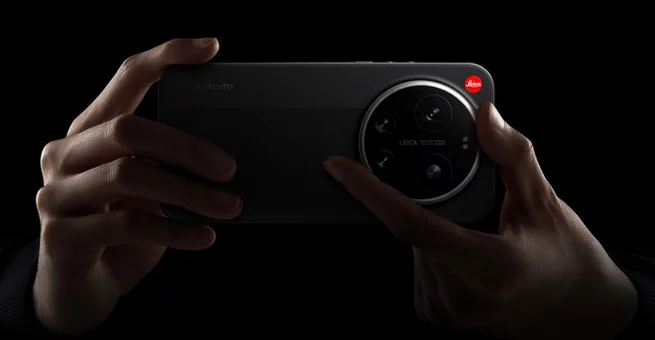
Xiaomi has officially unveiled the Xiaomi 17 Ultra Leica, and the headline feature answers the biggest question photographers are asking: what makes this flagship different from the rest? The answer lies in its camera-first design. Launched during the Christmas period, the new Ultra model skips the secondary rear display seen on the 17 Pro and instead focuses on tactile photography controls. A physical rotating zoom ring, built directly into the camera module, sets this phone apart. The feature targets enthusiasts who want DSLR-like control on a smartphone. Xiaomi positions the device as its most photography-driven phone yet. The Leica partnership plays a central role in that vision. Early impressions suggest this is less about gimmicks and more about precision.
The rotating zoom ring is exclusive to the Leica Edition of the Xiaomi 17 Ultra. It allows smooth optical zoom adjustments directly from the camera island, creating a more hands-on shooting experience. Users can also reassign the ring for manual focus or exposure control, depending on shooting preferences. Visually, the Leica Edition stands out with a textured side finish and Leica’s iconic red dot branding. Xiaomi includes physical accessories like a lens cap and branded cleaning cloth to reinforce the premium feel. Custom Leica film simulation effects further differentiate the software experience. These additions aim to appeal to photographers who value both aesthetics and control. The result is a phone that feels purpose-built rather than mass-market.
Beyond the camera upgrades, the Xiaomi 17 Ultra Leica matches flagship expectations in raw performance. It runs on Qualcomm’s Snapdragon 8 Elite Gen 5 processor, ensuring top-tier speed and efficiency. Configurations go up to 16GB of RAM and 1TB of internal storage, making it suitable for heavy photography and video workflows. The large 6.9-inch OLED display delivers immersive viewing with flagship-level brightness and clarity. Powering everything is a sizable 6,800mAh silicon-carbon battery designed for all-day use. Xiaomi appears to have balanced power and endurance without compromise. This makes the device as capable in daily use as it is behind the lens.
As expected from Xiaomi’s Ultra lineup, the camera system is the phone’s main attraction. The 50-megapixel main camera uses a large 1-inch-type sensor paired with a bright f/1.7 aperture. Both the ultrawide and selfie cameras also come in at 50 megapixels, ensuring consistent image quality across lenses. Xiaomi continues its strategy of prioritizing sensor size and optics over software tricks. Leica’s tuning influences color science and contrast, giving images a more natural, cinematic look. This setup caters to users who shoot frequently in varied lighting conditions. The hardware suggests strong performance for both stills and video.
The biggest technical shift arrives with the telephoto system. Instead of dual zoom lenses seen in previous Ultra models, Xiaomi now uses a single 200-megapixel periscope camera. This lens offers continuous optical zoom ranging from 3.2x to 4.3x, a rarity in smartphones. The change allows smoother zoom transitions without abrupt focal jumps. It also works seamlessly with the rotating zoom ring for precise framing. Xiaomi is betting that flexibility beats redundancy in telephoto design. For mobile photographers, this could mean more natural compositions and fewer compromises. It marks a meaningful evolution in smartphone zoom technology.
Outside of the camera controls and design flourishes, the Leica Edition shares the same core hardware as the standard Xiaomi 17 Ultra. The regular model lacks the rotating ring, Leica branding, and exclusive software features. However, both versions deliver identical performance, display quality, and battery life. Xiaomi clearly positions the Leica Edition as a premium niche option rather than a necessity. For casual users, the standard Ultra remains powerful and capable. For photography enthusiasts, the Leica Edition offers a more immersive shooting experience. That distinction helps Xiaomi target two audiences with one flagship platform.
The Xiaomi 17 Ultra Leica doesn’t just add features—it changes how users interact with smartphone cameras. Physical controls, continuous optical zoom, and Leica-tuned imaging signal a return to hands-on photography. At a time when most phones rely heavily on software processing, Xiaomi leans into hardware innovation. This approach could resonate strongly with creators and enthusiasts in 2025. While it won’t be for everyone, the phone makes a clear statement about Xiaomi’s priorities. The Leica Edition feels intentional, not experimental. For users who value control and craftsmanship, this flagship stands out in a crowded market.

2.5K articles

1.4K articles

34 articles

28 articles














Comment