Xbox Leadership Shake-Up Explained
A major Xbox leadership shake-up is reshaping the future of gaming at Microsoft. Longtime gaming chief Phil Spencer has stepped down, and surprise moves across the leadership team have left fans asking: Who is leading Xbox now, and what does it mean for the brand? The answer is clear but unexpected. A new CEO is taking charge with a fresh vision designed to stabilize Xbox and redefine its long-term direction.
For gamers, developers, and investors alike, the leadership transition signals more than a simple executive reshuffle. It marks a potential turning point for the Xbox ecosystem as Microsoft attempts to recover momentum and reframe its gaming strategy after years of mixed results.
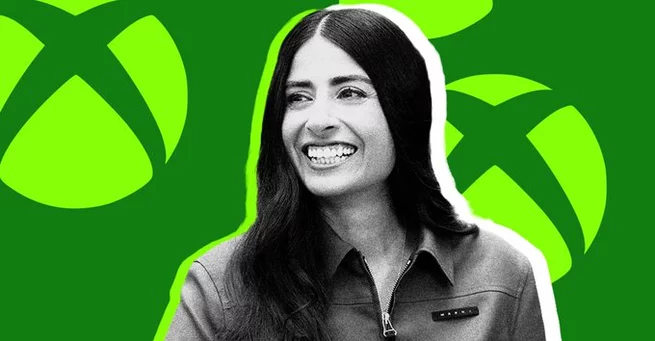
Asha Sharma Takes Over Xbox Leadership
The biggest headline from the shake-up is the appointment of Asha Sharma as the new CEO of Microsoft Gaming. Previously known for her work in AI initiatives, Sharma represents a notable shift in leadership philosophy. Rather than elevating a traditional gaming insider, Microsoft has placed a tech-forward executive at the helm.
This decision hints at where Xbox may be headed next. Sharma’s background in artificial intelligence and platform innovation suggests a future where Xbox evolves beyond consoles into a broader digital ecosystem. That could include deeper AI integration, cloud gaming expansion, and stronger cross-platform experiences.
Many within the company reportedly saw the move coming. While it surprised fans externally, insiders had already sensed a transition underway in recent months as Microsoft quietly evaluated its long-term gaming roadmap.
Why Phil Spencer Stepped Down
Phil Spencer’s departure closes one of the most defining chapters in Xbox history. During his tenure, he revitalized the brand, rebuilt trust with gamers, and expanded services like Game Pass. However, the last few years presented significant challenges that reshaped the narrative around Xbox’s future.
A major turning point was Microsoft’s massive acquisition of Activision Blizzard. The deal took longer than expected to finalize and forced the company into complex regulatory battles. At the same time, shifting strategies around exclusives and multiplatform releases sparked debate among fans about Xbox’s identity.
Spencer’s resignation reportedly followed a difficult stretch marked by strategic pivots and pressure to deliver growth. While his legacy remains strong, stepping aside allows Microsoft to redefine its gaming ambitions with a new leadership voice.
Sarah Bond’s Exit Adds to the Surprise
Another unexpected element of the shake-up is the departure of Sarah Bond. Many observers had considered her the natural successor to Spencer, given her high-profile role and influence within Xbox. Her exit adds an extra layer of intrigue to the leadership transition.
For years, Bond served as a key public face of Xbox strategy, particularly in business development and partnerships. Her leadership helped drive initiatives that expanded Xbox’s global footprint and ecosystem partnerships. Losing both Spencer and Bond at once represents a dramatic generational shift inside Microsoft’s gaming division.
The decision ultimately reflects a broader reset rather than a traditional succession plan. Instead of continuity, Microsoft appears to be prioritizing transformation.
The Role of Microsoft’s Top Executives
The shake-up didn’t happen in isolation. Microsoft CEO Satya Nadella and CFO Amy Hood reportedly played central roles in shaping the final leadership outcome. Their decision to promote Sharma over internal gaming veterans signals strong executive alignment on the company’s next phase.
This move aligns with Microsoft’s broader strategy of embedding AI and cloud capabilities across its business units. From productivity software to enterprise tools, the company has been aggressively investing in AI-driven experiences. Applying that mindset to gaming suggests Xbox will become more integrated into Microsoft’s larger ecosystem.
For investors, the message is clear: Xbox is no longer just a console business. It’s a strategic pillar in Microsoft’s platform ambitions.
What This Means for the Xbox Brand
The Xbox leadership shake-up raises a fundamental question: What is Xbox becoming? Over the past decade, the brand has gradually evolved from a console-centric identity into a service-driven platform. Game streaming, subscriptions, and cross-device play have already shifted expectations.
Under Sharma, that evolution could accelerate. Xbox may lean further into platform accessibility rather than hardware dominance. That could mean more games launching simultaneously across devices, deeper AI-powered features, and stronger integration with Windows and cloud infrastructure.
Still, this transition comes with risks. Some fans worry that losing traditional gaming leadership could dilute Xbox’s core identity. Balancing innovation with brand loyalty will likely be one of Sharma’s biggest challenges.
Internal Reactions and Transition Challenges
Reports suggest the announcement created internal turbulence, with some teams learning about the changes through external leaks rather than official communication. Leadership transitions of this scale often bring uncertainty, especially when they involve multiple high-profile departures.
Maintaining morale and clarity will be critical during the transition period. Employees will be watching closely for signals about future priorities, potential restructuring, and the direction of Xbox studios and partnerships.
For developers and partners, stability matters just as much as vision. Microsoft will need to reassure stakeholders that the shake-up is about growth rather than instability.
A Defining Moment for Xbox’s Future
Leadership transitions rarely happen without a reason, and this Xbox shake-up appears deeply strategic. By appointing a new kind of leader and resetting the executive structure, Microsoft is signaling a willingness to rethink its gaming future from the ground up.
Whether this move revitalizes Xbox or introduces new uncertainty will depend on execution. Clear communication, strong product momentum, and a cohesive ecosystem strategy will determine how the next chapter unfolds.
One thing is certain: this isn’t just a leadership change. It’s a defining moment that could reshape Xbox for years to come.








Comment