Alerts

-
4 minutes, 13 seconds
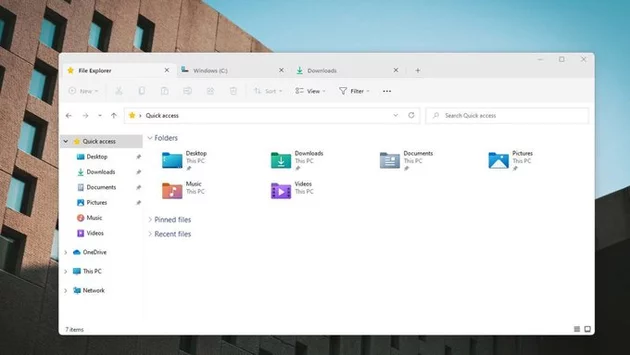
Windows 11 File Explorer is finally getting a meaningful performance upgrade, answering long-standing user complaints about high RAM usage and sluggish search results. Microsoft has confirmed that a new update reduces memory consumption during file searches while significantly improving speed. Early testing shows searches can run nearly twice as fast, especially on systems with multiple drives. The changes are currently rolling out to Windows Insider users, with a broader release expected in early 2026. For everyday users, this means faster searches, lower system strain, and a smoother overall experience.
For years, Windows 11 File Explorer has struggled with inefficient resource handling during searches. The app often re-indexed the same file paths repeatedly, particularly when users searched across overlapping folders or multiple drives. This behavior unnecessarily consumed RAM, CPU power, and disk resources. Over time, these inefficiencies added up, slowing down systems during even simple searches. Power users with large storage libraries felt the impact most. Microsoft has now acknowledged the issue and redesigned how File Explorer handles indexing.
The new Windows 11 File Explorer update introduces a consolidated indexing approach. Instead of repeatedly scanning identical locations, File Explorer now merges duplicate indexing tasks into a single process. This streamlined method reduces background workload while maintaining accurate search results. According to Microsoft, early Insider builds show search speeds improving by nearly 2x in some scenarios. Users searching across several folders or drives will notice the biggest gains. The change also minimizes unnecessary disk activity.
Beyond speed, the update significantly reduces overall system strain. By cutting redundant indexing operations, File Explorer uses less CPU power and fewer disk input/output cycles. This leads to quieter systems, improved battery life on laptops, and fewer performance dips during active searches. The RAM savings are especially noticeable on systems with limited memory. Even when multitasking, users should see smoother responsiveness. Microsoft positions this as a foundational performance fix rather than a cosmetic tweak.
The feature is currently available in Windows 11 Insider Preview Build 26220.7523. It’s limited to users enrolled in the Dev and Beta channels. To enable it, Insiders must turn on “Get the latest updates as soon as they’re available” within Windows Update settings. Once activated, the new indexing structure works automatically in the background. No manual configuration is required. Microsoft is closely monitoring performance feedback during this testing phase.
Microsoft plans to roll out the optimized Windows 11 File Explorer to all users through a cumulative update. If testing continues smoothly, the feature could arrive as early as late January or February 2026. Once released, it will be enabled by default with no action required from users. This aligns with Microsoft’s broader December 2025 update strategy, which emphasizes performance efficiency and under-the-hood improvements. For many users, this change could finally make File Explorer feel as fast as it should have been all along.










Comment