
Alerts
-
3 minutes, 45 seconds
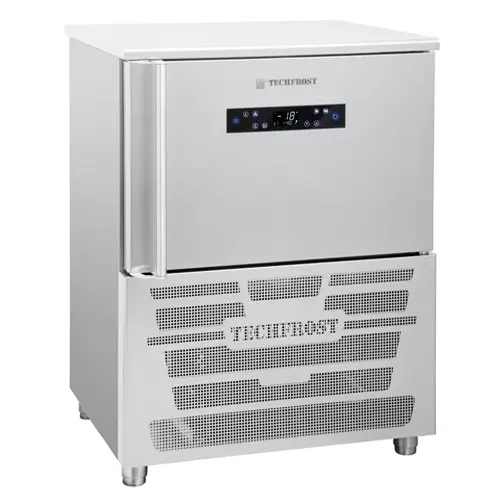
Temperature management is one of the most important elements of professional food preparation and storage. From receiving ingredients to cooking, cooling, preserving, and serving food, every stage requires careful control. A blast freezer can support this process by rapidly lowering food temperatures and giving commercial kitchens greater flexibility in how they organize production.
For restaurants, bakeries, hotels, caterers, and food manufacturers, effective temperature control is closely connected to quality, consistency, safety procedures, and operational efficiency.
Temperature influences texture, moisture, appearance, and overall product condition.
When food is exposed to unsuitable storage conditions, its quality may deteriorate more quickly.
Professional kitchens need reliable systems that help maintain the intended characteristics of ingredients and prepared dishes.
Time and temperature management are fundamental elements of food safety.
Businesses should establish clear procedures for handling cooked and uncooked products and follow applicable local regulations and food safety requirements.
Reliable equipment can support these procedures, but staff training and monitoring remain essential.
Efficient kitchens follow a structured flow.
A typical process may include:
Receiving ingredients.
Inspecting and storing products.
Preparing ingredients.
Cooking or processing food.
Cooling or preserving suitable products.
Organizing stored inventory.
Preparing items for service.
Each stage should be designed to reduce unnecessary handling and improve consistency.
Delays can create operational challenges.
A well-planned kitchen should allow food to move efficiently between preparation, cooking, preservation, and storage areas.
One challenge associated with storage is moisture loss after thawing.
The speed and method of preservation can influence how certain foods retain their structure and moisture.
Delicate products such as seafood, desserts, vegetables, and pastry items may require careful temperature management to maintain their intended characteristics.
Choosing appropriate procedures for each product is essential.
Chefs can plan work based on kitchen capacity rather than preparing every item immediately before service.
This can improve labor allocation and reduce pressure during busy periods.
A structured preservation strategy can help businesses purchase and prepare ingredients more efficiently.
Portioning products appropriately can also simplify inventory control.
Standardized preparation and storage procedures can help maintain consistent results.
This is especially important for hotel groups, restaurant chains, franchises, and businesses operating multiple locations.
Temperature management equipment should be positioned according to workflow requirements.
Staff should be able to move products efficiently without crossing unnecessarily through unrelated work areas.
An effective commercial kitchen requires more than major appliances. Storage systems, preparation surfaces, containers, utensils, and organizational tools also influence productivity.
Businesses planning a professional setup can consider kitchen accessories Dubai suppliers offer when selecting practical solutions that improve storage capacity, workspace organization, and daily efficiency.
Employees should understand how to check equipment performance and recognize unusual changes.
Problems should be reported quickly to reduce operational disruption.
Regular cleaning supports hygiene and may help maintain efficient operation.
Staff should follow manufacturer instructions and the business's internal sanitation procedures.
Depending on the operation, temperature records and maintenance logs can support quality control and improve accountability.
Routine inspections may include:
Door seals
Internal surfaces
Controls
Airflow areas
Refrigeration performance
Commercial equipment should receive professional attention according to manufacturer recommendations and operational needs.
Preventive maintenance can reduce the likelihood of unexpected failures.
A successful strategy should include equipment, staff training, documented procedures, maintenance, and regular review.
Businesses can improve performance by asking:
Are storage areas organized?
Are staff following consistent procedures?
Is equipment capacity sufficient?
Are products clearly labeled?
Is inventory reviewed regularly?
Are maintenance schedules being followed?
Continuous improvement can help kitchens adapt as menus, production volumes, and customer demands change.
Effective temperature management supports almost every part of commercial food service. From preserving product quality to improving workflow and inventory control, the right systems can help businesses operate with greater confidence and consistency.
The best results come from combining reliable equipment with proper procedures, trained employees, and thoughtful kitchen design. By building a complete operational environment that includes efficient storage, preparation tools, and equipment such as an automatic coffee machine, commercial kitchens can strengthen productivity while maintaining high standards across their food service operations.





Comment