-
Across cities in Ukraine, loudspeakers normally used to warn of incoming Russian air strikes broadcast the steady tick of a clock.
This is Ukraine’s daily moment of silence, a nationwide act of remembrance for those killed in Russia’s illegal war. In workplaces, homes, schools, markets and on highways, Ukrainians pause to honour those who gave their lives defending their country’s sovereignty and freedom, and remember the thousands of civilians whose lives have been lost to Russia’s aggression.
The silence also mirrors the absence felt by thousands of families whose loved ones have yet to come home.
Among them are the thousands of Ukrainian children who have been forcibly transferred and unlawfully deported by Russia over the course of its war. Separated from their families and communities, many have had parts of their core identity stripped away: their language, their culture, and even their names.
Others are civilians unlawfully detained in territories temporarily occupied by Russia. Many have suffered consequences for teaching their language, practising their culture, speaking out against occupation, or sharing the truth about what they have witnessed. Some have been transferred to detention facilities in Russia, where they are held without due process, denied contact with loved ones, deprived of adequate medical care, and shielded from independent monitoring.
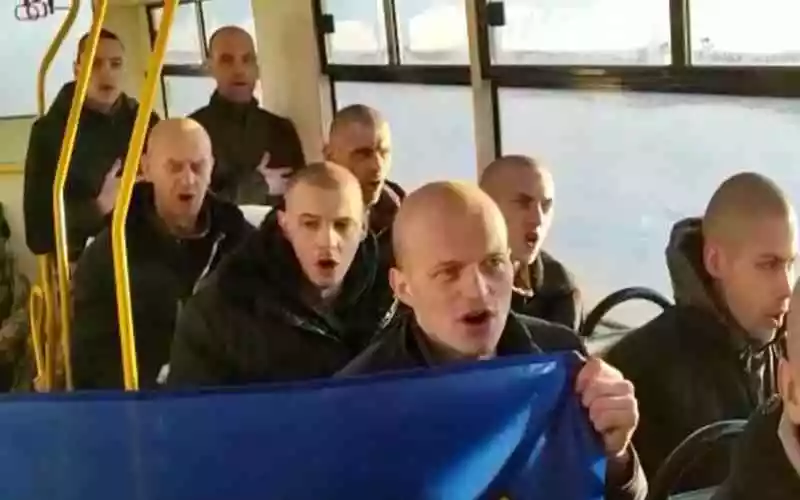
For Ukrainian prisoners of war in Russian custody, conditions remain similarly concerning. Returnees have reported harsh treatment, while independent bodies have documented widespread abuse, including torture and sexual violence.
These are not side effects of Russia’s war. Russia’s actions are repeated and well-documented violations of international law, carried out at scale, in an attempt to bend the will of the Ukrainian people.
Behind every case is a human story: a parent waiting for a child, a spouse waiting for a phone call, a family waiting for someone to come home.
Comment