Alerts

-
5 minutes, 27 seconds
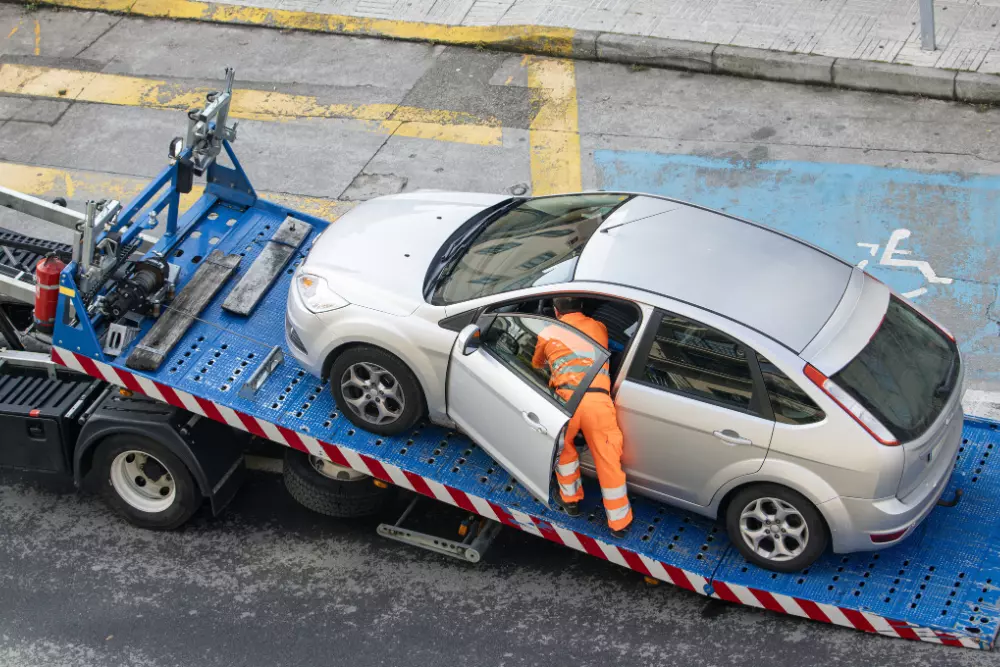
Vehicle emergencies can happen when drivers least expect them. A dead battery, flat tire, empty fuel tank, overheated engine, or unexpected breakdown can quickly turn an ordinary trip into a stressful situation. In busy urban areas, where traffic is constant and parking space can be limited, getting professional help quickly is especially important.
Reliable roadside assistance gives drivers access to practical support when their vehicle cannot continue safely. Instead of attempting risky repairs beside moving traffic or waiting for help without knowing when it will arrive, drivers can contact a professional provider and receive the appropriate service for their situation.
There are several reasons a driver may need emergency roadside support. Flat tires are among the most common problems, particularly when a tire is damaged by road debris, potholes, or worn tread. A professional technician can help replace the tire or arrange towing when a spare is unavailable.
Battery problems are another frequent cause of roadside emergencies. Leaving lights or electronics running can drain a battery, while extreme temperatures may affect battery performance. Jump-start assistance can help get a vehicle running again when the battery has sufficient capacity.
Drivers may also run out of fuel, accidentally lock their keys inside the vehicle, or experience mechanical problems that prevent the car from moving. In situations where a simple roadside solution is not possible, towing may be necessary.
Time can become an important factor during a roadside emergency. A vehicle stopped on the shoulder, near an intersection, or in a poorly lit area can create additional safety concerns. The longer a driver remains stranded, the greater the exposure to surrounding traffic and changing road conditions.
A dependable NYC roadside service can provide assistance for common problems while helping drivers avoid unnecessary risks. Professional responders generally have the equipment and experience needed to evaluate the situation and determine whether the vehicle can be safely repaired at the location or should be transported elsewhere.
Fast response is particularly useful during late-night travel, rush-hour congestion, severe weather, or situations where the driver is traveling with children, older passengers, or other vulnerable individuals.
Some vehicle problems may appear simple, but attempting a repair without the right tools or knowledge can create additional risks. Changing a tire close to fast-moving traffic, attempting electrical work, or trying to move a disabled vehicle without suitable equipment can result in injury or further vehicle damage.
Professional roadside technicians use appropriate equipment and follow safety procedures when assisting stranded motorists. If the problem requires more extensive mechanical attention, towing can move the vehicle to a repair facility rather than leaving the driver in an unsafe location.
Drivers should also remember that emergency flashers, reflective warning equipment, and a safe position away from traffic can improve visibility while waiting for assistance.
When a vehicle stops unexpectedly, the first priority should be personal safety. If possible, move the vehicle to a safe location away from active traffic. Turn on hazard lights and remain inside the vehicle when leaving it would create additional danger.
Drivers should identify their exact location before contacting roadside assistance. Useful information includes the nearest intersection, highway exit, landmark, direction of travel, and vehicle description. Sharing accurate details can help the service provider locate the vehicle more efficiently.
It is also helpful to explain the problem clearly. Whether the vehicle has a flat tire, dead battery, overheating issue, locked keys, or complete mechanical failure, providing accurate information allows the responder to prepare the appropriate equipment.
Not every roadside emergency happens during convenient business hours. Drivers may need assistance early in the morning, late at night, on weekends, or during holidays. For this reason, availability and response reliability are important factors when selecting a roadside assistance provider.
Drivers should consider whether the provider offers services such as jump starts, tire assistance, fuel delivery, lockout assistance, and towing. Clear communication about estimated arrival times and service costs can also make an emergency less stressful.
It is wise to research roadside assistance options before an emergency occurs. Saving a trusted provider's contact information on a phone can prevent delays when a breakdown happens unexpectedly.
Although roadside assistance provides valuable support, preparation can reduce the impact of a vehicle emergency. Drivers should regularly check tire pressure, fluid levels, battery condition, lights, and other basic vehicle components.
Keeping an emergency kit in the vehicle is also useful. Items such as a flashlight, phone charger, first-aid supplies, reflective equipment, water, and basic tools can be helpful while waiting for professional assistance.
Regular vehicle maintenance is equally important. Following the manufacturer's recommended maintenance schedule can identify potential problems before they become major breakdowns.
Roadside emergencies are an unavoidable possibility for many drivers, but being stranded does not have to become a dangerous or overwhelming experience. Reliable roadside assistance provides professional support when a vehicle cannot safely continue its journey.
By preparing in advance, maintaining the vehicle, knowing what to do during a breakdown, and keeping reliable assistance information available, drivers can handle unexpected problems with greater confidence. Most importantly, drivers should always prioritize personal safety and avoid taking unnecessary risks while waiting for professional help.
1. When should I call roadside assistance?
You should contact roadside assistance when your vehicle cannot safely continue because of problems such as a flat tire, dead battery, mechanical failure, lockout, overheating, or lack of fuel.
2. Can roadside assistance help with a dead battery?
Yes. Many roadside providers offer jump-start services for vehicles with discharged batteries. If the battery cannot hold a charge or another mechanical issue is present, towing may be recommended.
3. What should I do while waiting for roadside help?
Move to a safe location if possible, activate your hazard lights, stay away from moving traffic, and provide the responder with accurate information about your location and vehicle.
4. Is roadside assistance available at night?
Many providers offer 24-hour emergency assistance, but availability varies. Drivers should confirm operating hours and service coverage before choosing a provider.
5. Can roadside assistance tow a vehicle?
Yes. Towing is commonly available when a vehicle cannot be safely repaired at the roadside or has suffered a significant mechanical problem.
6. How can I prepare for a roadside emergency?
Maintain your vehicle regularly, check your tires and battery, keep an emergency kit in the car, and save the contact information for a dependable roadside assistance provider.



Comment