
-
6 minutes, 9 seconds
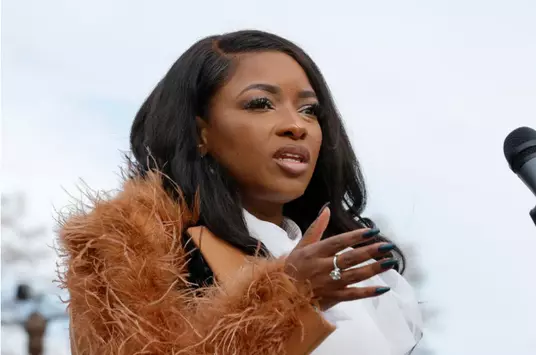
Jasmine Crockett has become a political lightning rod—but for many Black women, the scrutiny feels deeply familiar. As the Texas congresswoman faces attacks during a heated primary race, the tone of the criticism has sparked broader conversations about misogynoir in the workplace. From comments about her appearance to insults about her intelligence, the pattern echoes experiences Black women routinely report in professional spaces. While public figures expect debate, the nature of these attacks reveals something deeper. For observers, this isn’t just politics—it’s a case study in how gendered racism operates in real time. And it’s striking a nerve far beyond Washington.
Rep. Jasmine Crockett has faced a wave of criticism as she campaigns in Texas. Some of it centers on policy differences with opponents like James Talarico. But much of the commentary has focused on her appearance, demeanor, and intelligence rather than her legislative record. In 2024, Marjorie Taylor Greene mocked Crockett’s eyelashes during a House hearing. Later, JD Vance made remarks questioning her authenticity. Even Donald Trump publicly labeled her “low IQ,” reviving language historically weaponized against Black leaders.
The backlash toward Crockett reflects what scholars describe as misogynoir—the specific intersection of racism and sexism directed at Black women. The term captures how stereotypes about temperament, competence, and likability uniquely shape public perception. Black women who are assertive are often labeled aggressive, while those who temper their tone are criticized as inauthentic. This double bind extends far beyond politics into corporate boardrooms and academic institutions. Many professionals recognize the pattern: credentials are minimized, tone is policed, and ambition is reframed as attitude. Crockett’s treatment feels familiar because it mirrors everyday workplace dynamics.
Observers have drawn comparisons between Crockett and Kamala Harris, who faced similar scrutiny during her national campaigns. Harris was frequently portrayed as overly cautious or overly ambitious, depending on the critic. The framing shifted, but the undertone remained consistent. Both women navigated media narratives that dissected their expressions, voices, and mannerisms with unusual intensity. Political disagreement is expected, but the disproportionate focus on style over substance stands out. For many Black women professionals, it echoes performance reviews that fixate on tone rather than outcomes.
The credibility gap is another recurring theme. Stacey Abrams built a national profile after registering hundreds of thousands of voters and serving more than a decade in the Georgia House. Yet her qualifications were often overshadowed by narratives questioning electability. In contrast, her opponent Brian Kemp faced far less scrutiny over background and experience. The contrast reinforced a broader pattern: Black women often must exceed expectations simply to be considered viable. Even then, their competence is debated in ways others rarely encounter.
When Ketanji Brown Jackson became the first Black woman appointed to the Supreme Court, her résumé was widely acknowledged as exceptional. She brought extensive judicial experience and a background as a public defender. Yet during confirmation hearings, some critics framed her as a symbolic pick rather than a merit-based one. The “diversity hire” narrative resurfaced despite clear qualifications. This pattern—being both highly accomplished and persistently doubted—mirrors workplace realities for many Black women. Excellence alone does not insulate against bias.
Crockett’s experience underscores how misogynoir shapes public and professional life. For Black women, it often manifests in being passed over for promotions, scrutinized more harshly, or labeled difficult for advocating ideas. The conversation isn’t about shielding leaders from criticism. It’s about distinguishing policy debate from attacks rooted in stereotype. Calling out harmful rhetoric helps create accountability in both politics and corporate culture. As these patterns become more visible, more professionals are recognizing the shared thread.
The scrutiny surrounding Jasmine Crockett is not happening in isolation. It connects to a long history of Black women navigating spaces where they are simultaneously hyper-visible and undervalued. Addressing misogynoir requires systemic awareness and collective action. It also requires community, where shared experiences become sources of resilience rather than silence. The headlines may fade, but the broader conversation about equity and respect is far from over.

7.9K articles

1.4K articles

34 articles

28 articles














Comment