
Alerts
-
3 minutes, 53 seconds
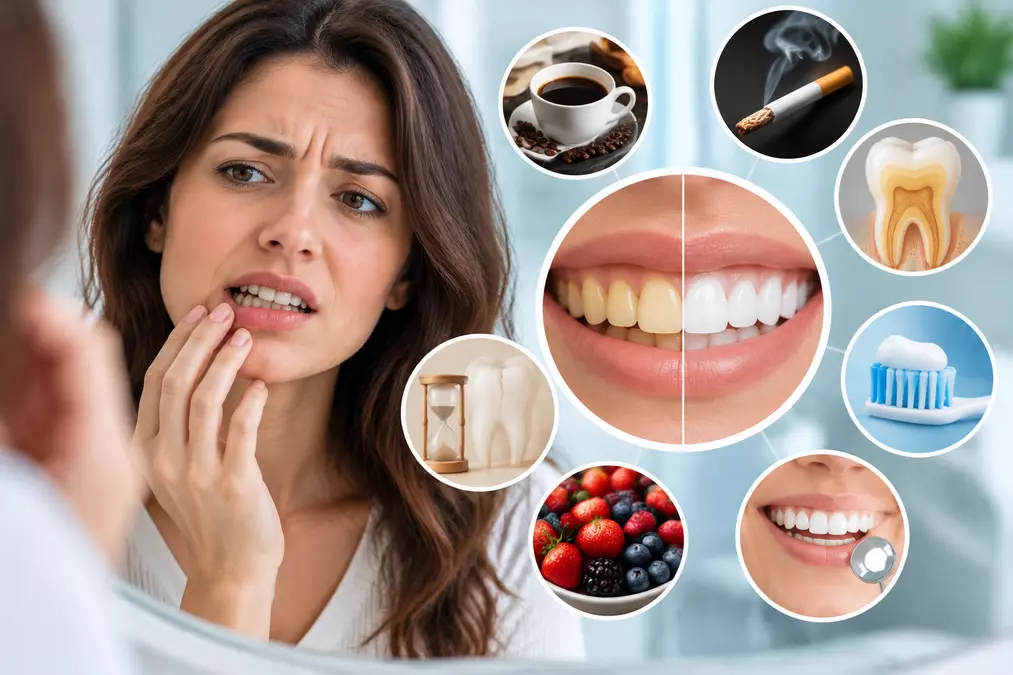
Brushing your teeth twice a day is an important part of maintaining oral health, but it does not always prevent teeth from becoming yellow. Many people notice changes in the color of their teeth despite following a regular brushing routine. This can happen for several reasons, including the foods and drinks they consume, natural changes that occur with age, and the structure of the teeth themselves. Understanding these factors can help explain why yellowing occurs and what can be done to manage it.
Coffee, tea, red wine, and dark-colored beverages contain pigments that can attach to the surface of the teeth over time. Certain foods, including berries and tomato-based sauces, may also contribute to staining. Brushing helps remove plaque and food particles, but it may not completely remove stains that have accumulated over months or years. The frequency of exposure, the condition of the tooth surface, and daily oral hygiene habits can all influence how noticeable these stains become.
Teeth can gradually appear more yellow as a person gets older. Beneath the hard outer layer of enamel is dentin, which naturally has a yellowish color. As enamel wears down over time, the dentin underneath may become more visible, changing the overall appearance of the teeth. This process can occur even in people who brush regularly and maintain good oral hygiene. It is a normal change, although the degree of discoloration varies from person to person.
Brushing consistently is important, but technique also matters. Brushing too quickly or missing certain areas can allow plaque and surface stains to build up. Using a soft-bristled toothbrush and fluoride toothpaste, brushing for about two minutes twice daily, and cleaning between the teeth can help maintain a cleaner tooth surface. However, brushing harder does not make teeth whiter. Excessive pressure can wear down enamel and irritate the gums, potentially contributing to sensitivity.
Tobacco products can cause noticeable tooth discoloration. The substances found in tobacco may leave yellow or brown stains that become more difficult to remove over time. Smoking can also increase the risk of gum disease and other oral health problems. Regular dental cleanings may help remove some surface staining, but stopping tobacco use is an important step toward protecting the teeth and gums.
Not all discoloration is caused by everyday stains. Changes in tooth color can sometimes be associated with enamel damage, tooth decay, certain medications, or previous dental injuries. A single tooth that suddenly becomes darker may need particular attention, especially if it is accompanied by pain or sensitivity. If the color change is persistent or unexplained, a dental examination can help identify its cause before deciding on a suitable approach.
The appropriate approach depends on whether the discoloration is on the surface or comes from changes within the tooth. Professional dental cleaning may help remove external stains and plaque. For discoloration that remains after cleaning, professional whitening may be an option, depending on the condition of the teeth and gums. People considering professional teeth whitening can discuss their concerns with a dentist to determine whether treatment is suitable and what results may be realistic.
Whitening products do not work equally well for every type of discoloration. Restorations such as crowns, veneers, and fillings generally do not whiten in the same way as natural teeth, so existing dental work should be considered before treatment. It is also best to avoid harsh home remedies, including scrubbing teeth with abrasive substances, because they can damage enamel or irritate the gums.
Preventing additional staining often comes down to consistent habits. Brush twice daily with fluoride toothpaste, clean between your teeth, attend regular dental checkups, and consider rinsing your mouth with water after consuming strongly colored drinks. Limiting tobacco use and avoiding frequent exposure to sugary or acidic foods and drinks can also support oral health. These habits will not stop every natural change in tooth color, but they can help keep the teeth clean and reduce some avoidable staining.
Yellow teeth are not always a sign of poor oral hygiene. Food and drinks, tobacco, aging, and natural differences in enamel and dentin can all affect tooth color. Although daily brushing is essential, it cannot remove every type of discoloration. Identifying the reason for the change is the first step toward choosing an appropriate solution. If your teeth remain yellow despite regular care, a dental professional can help determine whether cleaning, whitening, or another approach is likely to be beneficial.



Comment