
Alerts
-
3 minutes, 9 seconds
The intelligent personal hub is not a future concept — Apple has already shipped it. The iPhone is the clearest example: a device that consolidates communication, productivity, entertainment, and increasingly, intelligence, into a single pocketable form. Apple's tight integration of hardware and software, combined with services like Siri and on-device processing, has made the iPhone the default centre of many users' digital lives.
This matters for the home hub debate because it establishes a proven model. Apple has demonstrated it can build a hub that feels personal, private, and seamless. The question is no longer whether Apple can create an intelligent hub — it already has. The question is whether it will extend that same philosophy beyond the pocket and into the home.
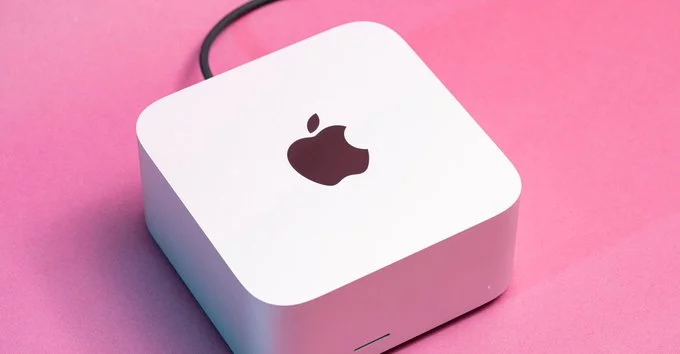
Apple's next computer should be built for the smart home. The company already proved, with the iPhone, that a personal device can act as an intelligent hub — anticipating needs, coordinating services, and quietly managing complexity. That same logic now applies to the home.
Today's smart home is a tangle of apps, protocols, and accessories from dozens of brands. Apple sells hardware that could anchor this experience, but the pieces remain scattered. A dedicated home hub would give Apple a single place to bring them together, extending the hub concept from the person to the home itself.
The opportunity is not just convenience. A home hub could manage energy use, security, and automation in ways a phone simply cannot, because it stays put. Apple has spent years building the foundations — HomeKit, Matter support, and privacy-first on-device processing. What's missing is the computer that makes them feel like one product rather than a checklist of features.
The shift from an intelligent personal hub to an intelligent home hub is the logical progression Apple should pursue. Apple has already demonstrated the value of a hub that is always with you, and the home is the natural place to extend that intelligence.
An intelligent home hub would bring the same benefits to the household that the personal hub brings to the individual. It would serve as a central point for managing connected devices, coordinating routines, and responding to the needs of everyone in the home.
This progression is not a leap into unfamiliar territory. It builds on the precedent Apple has already set, applying a proven approach to a new context. The home is where people spend much of their time, and it is filled with devices and tasks that would benefit from a more intelligent, coordinated hub.
Moving from personal hub to home hub is therefore a natural next step, one that follows directly from the foundation Apple has already established.
Rather than allowing the smart home to be defined by other devices, Apple should build a dedicated intelligent home hub as its next computer. The Macintosh succeeded the Apple II as the company's flagship personal computer, and the iPhone later became the intelligent personal hub. The next logical step is a home hub.
A dedicated Apple home computer would give the company a focused product for the home, instead of leaving that space to be shaped by others. Just as the Macintosh followed the Apple II, and the iPhone followed the Macintosh, a home hub would continue Apple's pattern of introducing a new computer for a new context.
The case rests on more than tradition. Apple already has the pieces: the intelligent personal hub precedent shows the company can create a category-defining device. A dedicated home computer would let Apple bring that same approach to the home, rather than ceding the smart home to competing platforms.








Comment