
Alerts
-
3 minutes, 25 seconds
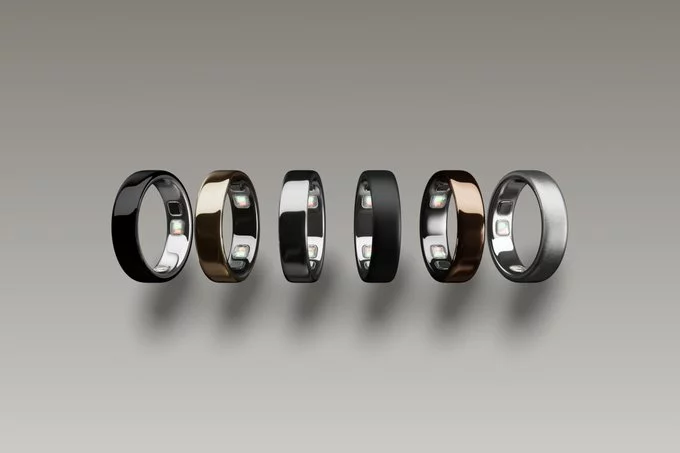
For years, Oura has largely dominated the smart ring market, establishing itself as the category leader. Its flagship product, the Oura Ring, has become synonymous with the form factor itself, a testament to its early entry and sustained success. This dominance is not accidental; it is built on a foundation of continuous innovation and a strong brand presence. The company has leveraged its first-mover advantage to build a loyal customer base, with many users upgrading through multiple generations of the device. Oura’s focus on accurate sleep tracking and recovery metrics has set a high bar for competitors. By consistently refining its algorithms and expanding its feature set, the Finnish company has created a powerful ecosystem. This has allowed it to maintain a significant share of the market, even as consumer interest in wearable health technology has surged. The company’s ability to secure high-profile partnerships, including those with professional sports leagues and luxury brands, further cements its position at the top of the industry. Its success has created a blueprint that new entrants now study closely.
The landscape is shifting quickly. While Oura established the category, a growing number of competitors are now racing to dethrone it. Samsung has entered the arena with its Galaxy Ring, while established fitness brands like Garmin and Amazfit are launching their own models to capture a slice of the market. These new entrants are leveraging their existing ecosystems, often integrating ring data directly with their popular smartwatches and apps.
This influx of competition is pushing the entire industry forward. Newcomers are aggressively undercutting Oura on price, and many are eliminating the recurring subscription fee that Oura charges for detailed insights. The core battle is no longer just about hardware, but about the intelligence of the software and the depth of the health data provided. For consumers, this is excellent news, as it forces every player to innovate and refine their offerings to stand out in a suddenly crowded field.
Rivals are trying all sorts of approaches to get an edge over Oura. Some are undercutting on price, offering comparable hardware at a lower entry point to lure budget-conscious consumers. Others are focusing on specific niches, such as rings designed for athletes that emphasize advanced recovery metrics or sleep tracking for medical research. A few competitors are attempting to build more open ecosystems, allowing third-party developers to create apps that integrate deeply with their devices, something Oura has historically kept tightly controlled.
These strategies aim to exploit perceived gaps in Oura’s premium, subscription-based position, though none have yet matched its brand trust and clinical validation.
The intensifying rivalry in the smart ring sector is a clear win for consumers. As more companies challenge Oura’s current lead, the pressure to differentiate will accelerate the pace of hardware and software development. This competition is likely to produce a wider array of specialized devices, from rings focused on raw athletic performance to those prioritizing holistic wellness or even fashion-first aesthetics. We can expect more aggressive pricing and feature bundling as brands fight for market share. Furthermore, the race to secure ecosystem partnerships will push manufacturers to offer deeper integrations with other health platforms and services. The immediate result will be a more dynamic market where innovation is not just welcomed but required. For the buyer, this means a future where the choice is no longer limited to a single premium option, but rather a rich landscape of capable, diverse, and increasingly affordable smart rings tailored to individual needs. The ultimate beneficiary of this healthy competition will be the end user, who gains access to better technology at more accessible price points.










Comment