Alerts

-
5 minutes, 55 seconds
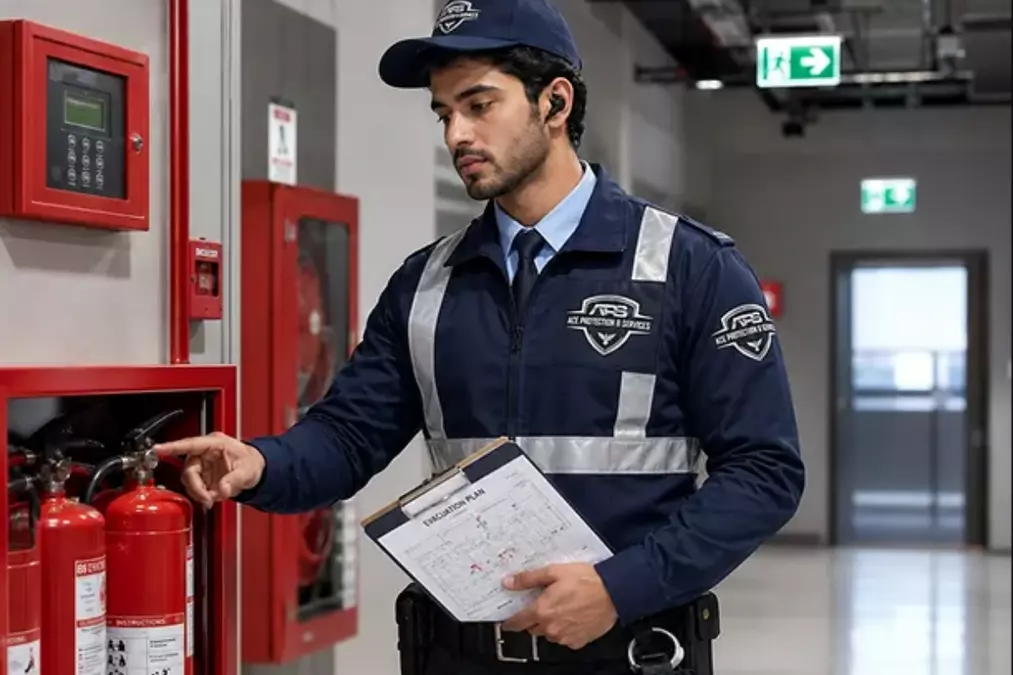
Fire prevention systems are designed to protect buildings continuously, but circumstances such as maintenance, equipment failure, construction work, or an unexpected system impairment can temporarily reduce that protection. In New York City, property owners and managers may then have specific responsibilities for maintaining an appropriate fire watch until affected systems return to service. Professional fire safety services can support this process by providing trained personnel who monitor affected areas, identify signs of fire, maintain required patrols, and follow established emergency procedures. Understanding when fire guards are needed and what responsibilities they perform is particularly important for commercial properties, residential buildings, construction sites, shelters, event venues, and other facilities operating under New York City's detailed fire-safety requirements.
One of the most common situations requiring fire safety services is an impairment of a required fire protection system. This could involve a sprinkler, standpipe, or fire alarm system becoming temporarily unavailable because of repairs, testing, equipment failure, renovation, or another interruption.
Under the New York City Fire Code, when certain required fire protection systems are out of service, the building generally must either be evacuated or have a fire watch maintained in accordance with applicable requirements.
A fire watch is intended to provide temporary human monitoring while normal automatic fire protection is unavailable. The goal is not to replace a sprinkler or alarm system permanently. Instead, trained personnel continually observe the affected area so a developing fire or hazardous condition can be identified and reported quickly.
Fire guard requirements can also arise in other environments, including shelters, places of assembly, construction operations, and certain activities involving elevated fire risks. The required Certificate of Fitness depends on the type of assignment.
The FDNY's F-01 Certificate of Fitness applies to citywide fire guards assigned to situations involving an impaired fire protection system. FDNY guidance states that fire guards are required to inspect areas where qualifying fire protection systems are out of service.
Their responsibilities center on actively watching for fire rather than simply remaining at a security desk. Duties can include:
Patrolling the affected area
Looking and smelling for evidence of smoke or fire
Remaining alert to hazardous conditions
Knowing how to contact the Fire Department
Understanding applicable emergency procedures
Maintaining required records or logs
Reporting discovered fire-safety hazards
Continuing patrols until the protection system is restored
These responsibilities demonstrate why fire safety services differ from ordinary building security. A fire guard is performing a defined fire-watch function and must understand the requirements associated with the specific assignment.
New York City's requirements contain an important distinction based on how long a fire protection system remains out of service.
According to FDNY's F-01 guidance, during the first four hours of a planned or unplanned outage affecting no more than 50,000 square feet, the fire watch may be conducted by an F-01 Certificate of Fitness holder, the impairment coordinator, or another trained and knowledgeable person designated by the building owner.
After four hours, however, patrols must be performed by fire guards holding the appropriate F-01 Certificate of Fitness.
The size of the affected area also matters. FDNY's January 2026 F-01 study materials state that an individual fire guard should not patrol more than 50,000 square feet of building floor area. Additional personnel may therefore be necessary when a larger area is affected.
These details make planning important when arranging fire safety services, particularly when system repairs may take several hours or extend overnight.
When a sprinkler, standpipe, or fire alarm system is impaired, building management also has responsibilities.
The New York City Fire Code states that the building owner must designate an impairment coordinator when such systems are out of service. If no specific person is designated, the owner is treated as the impairment coordinator.
The impairment coordinator helps manage the out-of-service condition and associated safety measures. Responsibilities may involve determining affected areas, coordinating repairs, maintaining required documentation, arranging fire-watch coverage, and making sure appropriate notifications or procedures are followed.
This role is especially important because fire guard staffing is only one component of managing a system impairment. Repairing and restoring the affected fire protection system remains a critical priority.
New York City uses several Certificates of Fitness related to fire guard and fire-safety responsibilities.
Current FDNY listings include:
F-01: Citywide Fire Guard for Impairment
F-02: Fire Guard for Shelters
F-03: Indoor Place of Assembly Safety Personnel
F-04: Temporary Indoor/Outdoor Place of Assembly Safety Personnel
F-60: Fire Guard for Torch Operations
Each certification corresponds to different responsibilities and operating conditions.
For property owners and facility managers, this means selecting personnel based solely on the general title "fire guard" may not be sufficient. The type of property, reason for the fire watch, and nature of the activity should be considered when determining which qualifications apply.
Properly structured fire safety services should therefore match personnel credentials to the specific requirements of the location and assignment.
Automatic fire protection systems can detect, suppress, or communicate fire conditions quickly. When one of those systems is unavailable, monitoring must compensate for the temporary loss of protection.
FDNY's F-01 materials state that fire guards must be available to patrol all areas affected by the out-of-service system at least once every hour. Depending on circumstances, more frequent or continuous observation may be necessary to meet applicable requirements or directions.
A patrol can help identify warning signs such as smoke, unusual odors, overheating equipment, blocked exits, unsafe storage, or unauthorized hazardous activity.
Documentation is also valuable. A clear fire-watch log can establish when areas were checked, who performed the patrol, and whether any unusual conditions were found.
Emergency fire-watch arrangements are easier to manage when facilities prepare before a system outage occurs.
Property managers can improve readiness by identifying who serves as the impairment coordinator, maintaining current emergency contact information, understanding applicable Certificate of Fitness requirements, and establishing procedures for contacting qualified fire guards.
Buildings should also keep fire protection systems properly inspected and maintained. An effective fire safety services plan should complement functioning alarms, sprinklers, standpipes, extinguishers, emergency lighting, and evacuation procedures rather than replace them.
Staff members should know how to report a fire, where emergency exits are located, and what procedures apply when an alarm or suppression system is temporarily unavailable. Preparation can reduce confusion when an unexpected impairment occurs.
Fire watches play an important role when normal building fire protection is temporarily reduced, but they must be organized around the type of property, affected area, system condition, duration of the outage, and applicable FDNY requirements. Property managers researching qualified coverage may encounter providers such as Ace Protection Services while comparing personnel credentials, availability, and experience with New York fire-watch requirements. Effective fire safety services ultimately depend on properly qualified personnel, consistent patrols, accurate documentation, clear emergency procedures, and prompt restoration of the impaired fire protection system.



Comment