
Alerts
-
3 minutes, 0 seconds
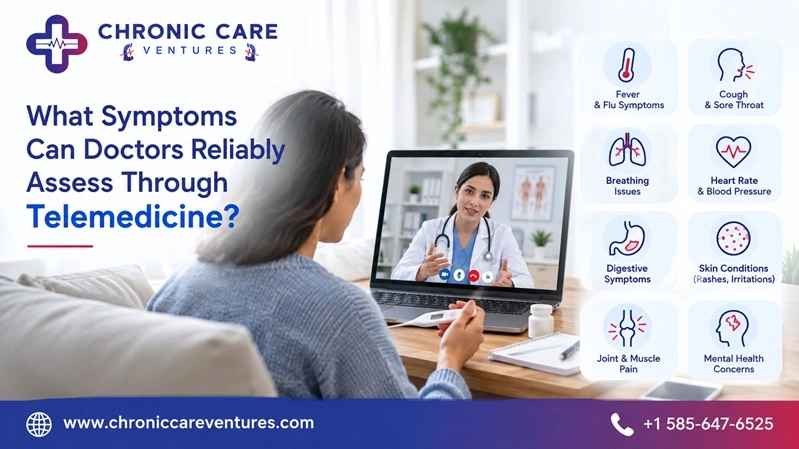
Some symptoms speak clearly through a screen. A persistent cough, visible rash, recurring headache, or sudden change in blood pressure can give a physician useful clinical clues without requiring an immediate trip to a clinic. The key is knowing which symptoms can be reasonably assessed remotely and which require hands-on evaluation.
Telemedicine is particularly useful when the doctor can combine your description of symptoms with what they can observe during a video visit and any measurements or test results available at home.
Headaches, fever, fatigue, and other common symptoms can often be assessed through a virtual consultation. A doctor can ask about when the symptoms began, their severity, associated symptoms, medications, recent exposures, and changes over time. If you have a thermometer or other home monitoring device, those readings can add useful information.
For people searching for telemedicine near me, this type of consultation can be a practical first step for determining whether symptoms can be managed remotely or whether an in-person examination is necessary.
Cough, congestion, sore throat, and some uncomplicated respiratory complaints are commonly addressed through telehealth. During a video appointment, the physician can listen to your description of breathing symptoms, observe visible signs of discomfort, and ask about fever, duration, mucus, wheezing, or exposure to illness.
Telehealth guidance from the U.S. Department of Health and Human Services includes colds, coughs, flu, and some sinus infections among conditions that may be addressed virtually.
The camera can also provide valuable visual information for certain skin concerns. A physician may assess the appearance, location, distribution, and progression of a rash or other visible skin change. Patients may also be able to share photographs when appropriate.
However, visual assessment does not replace every type of dermatological examination. Some conditions require physical examination, testing, or procedures that cannot be performed through a screen.
Nausea, mild stomach upset, reflux symptoms, and some gastrointestinal complaints can often begin with a virtual assessment. Doctors can discuss symptom patterns, diet, medications, duration, hydration, and associated concerns to determine an appropriate next step.
A same-day telehealth appointment may be particularly useful when symptoms are uncomfortable but do not appear to require emergency intervention. The physician can determine whether home care, medication, testing, or an in-person visit is appropriate.
Telemedicine is not limited to short-term illnesses. It can support ongoing management of conditions such as hypertension, diabetes, asthma, and other chronic diseases when patients have relevant home measurements.
Blood pressure readings, blood glucose values, weight, heart rate, and other remotely collected data can help physicians monitor changes and adjust care when clinically appropriate.
The most important question is not simply whether a symptom can be described online, but whether the doctor has enough information to evaluate it safely. A physical examination, procedure, imaging study, laboratory test, or direct measurement may sometimes be necessary.
If symptoms suggest a medical emergency, such as signs of a heart attack or another potentially serious condition, connect with same-day telehealth service. A physician can also use a virtual consultation to determine whether immediate in-person care is required.
Telemedicine can reliably support assessment of many common symptoms when the clinical history, visual information, and available measurements provide enough evidence for a safe decision. It is not a replacement for every physical examination, but it can be an effective entry point into care. When symptoms exceed what can be evaluated remotely, a responsible provider can guide you toward appropriate in-person testing or treatment.



Comment