Alerts

-
3 minutes, 23 seconds
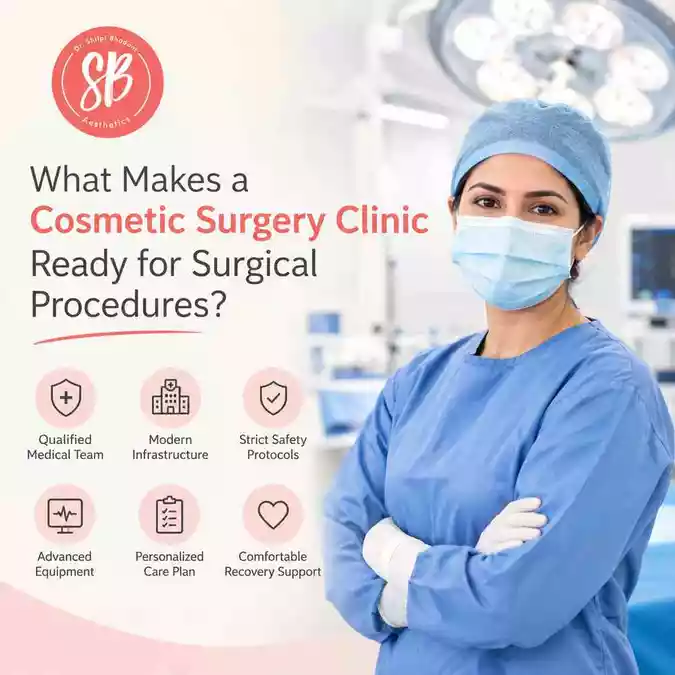
When researching cosmetic surgery, most people focus almost entirely on the surgeon and give very little thought to the facility itself. But where a procedure is performed matters just as much as who performs it. A skilled surgeon working in an inadequately equipped space can still put patients at unnecessary risk. Before choosing the best cosmetic surgeon in India for your procedure, it is worth understanding what actually makes a clinic genuinely ready for surgery.
A surgical facility should hold relevant accreditation and licensing from recognised medical authorities. This is not just a formality. Accreditation typically means the facility has been evaluated for safety standards, sterilisation protocols, and emergency preparedness, all of which directly affect patient outcomes. This is exactly why patients searching for the Best cosmetic surgeon in India are encouraged to look beyond individual reputation and check the facility's credentials as well.
Surgical procedures require a properly equipped operating theater, not a converted consultation room. A genuinely ready facility should have:
Sterile, well-maintained operating rooms designed specifically for surgery
Appropriate ventilation and air filtration systems to reduce infection risk
Modern surgical equipment maintained and serviced regularly
Clearly defined sterile zones separate from general clinic areas
For any procedure involving sedation or general anaesthesia, a qualified anaesthesiologist should be present, not just the operating surgeon managing everything alone. This is one of the most important safety factors, since anaesthesia-related complications, while rare, require immediate and skilled intervention.
A ready facility should have clear protocols in place for handling unexpected complications during or after surgery. This typically includes:
Emergency medications and equipment readily available on site
Trained staff who know exactly how to respond to specific emergencies
A clear plan for transferring patients to a hospital if a situation requires more advanced care
Regular drills or reviews to keep emergency protocols current
Surgery involves an entire team, not just the person performing the procedure. This includes trained nurses, surgical assistants, and recovery staff who understand postoperative care. A facility that relies on minimal or undertrained support staff increases the risk of complications going unnoticed during recovery.
Infection control is one of the most critical, yet least visible, aspects of a surgical facility. This includes strict protocols for instrument sterilisation, single-use disposable items where required, and a clean, controlled environment throughout the surgical process. Cutting corners here significantly increases the risk of post-surgical infections.
A genuinely ready clinic should also have a proper recovery area where patients can be monitored immediately after surgery, before being discharged or moved to a longer stay facility if needed. This space should allow staff to track vital signs and respond quickly if anything seems off during the initial recovery period.
It is a common misconception that only major surgeries require this level of facility readiness. Even procedures considered minor or minimally invasive can involve unexpected complications, which is why the same safety standards should apply regardless of how routine a procedure might seem.
Before committing to a procedure, it is reasonable to ask direct questions, such as
Is the surgery performed in an accredited facility
Will a qualified anaesthesiologist be present, if relevant to my procedure
What happens if a complication arises during or after surgery
Who will be monitoring my recovery immediately following the procedure
Since facility readiness affects safety just as significantly as surgical skill, this is not an area to overlook while making your decision. At SB Aesthetics, Dr. Shilpi Bhadani, who holds MBBS, MS in General Surgery, and MCh in Plastic Surgery, performs procedures within a properly equipped, accredited surgical setup, prioritising patient safety alongside surgical outcomes. If you are exploring your options, choosing the best cosmetic surgery clinic in India means looking closely at these facility standards, not just the surgeon's individual reputation.





Comment