
Trending
Trending Hashtags
Alerts
-
10 minutes, 33 seconds
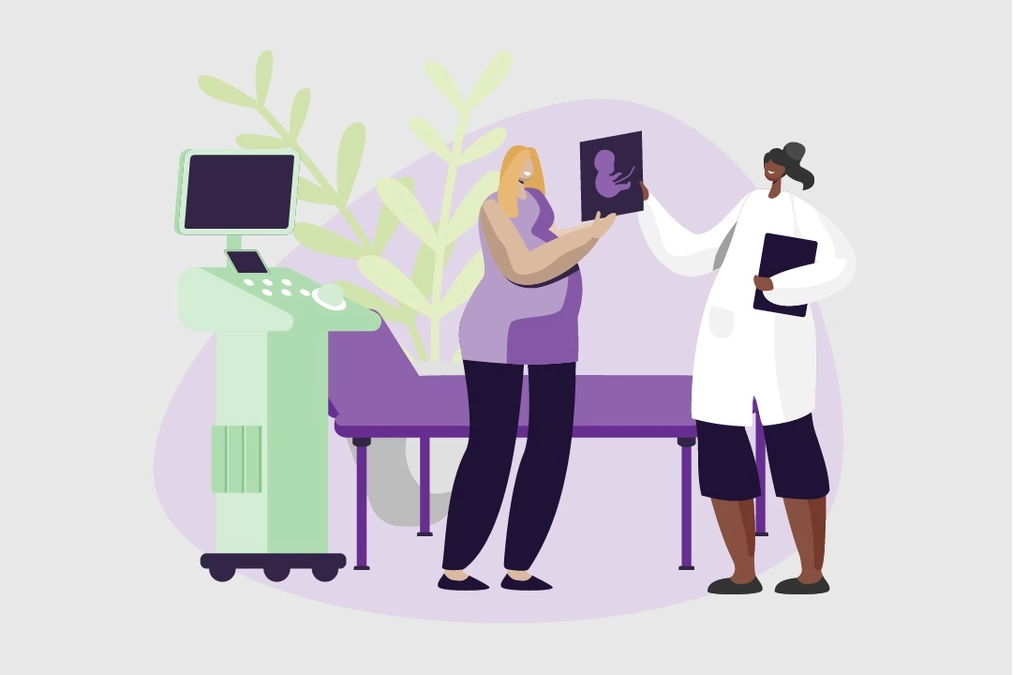
Pregnancy and giving birth require skilled care, trust, and clear communication. Many families in Texas choose midwifery care because it focuses on the needs of the patient and is supportive. A certified nurse midwife Texas offers medical knowledge and one-on-one care during pregnancy, labor, and the time after birth. These professionals have both nursing and advanced midwifery training, which lets them give mothers and babies safe and effective care. They do more than just deliver babies; they also help women stay healthy at different times in their lives.
More families are looking for midwives who care about both safety and comfort in cities and suburbs that are getting bigger. Midwives are still very important in modern healthcare, whether someone is looking for one in Dallas, TX, or in another part of the state.
A certified nurse midwife (CNM) combines training as an RN and a specialty in providing care for women during their childbearing years - from prenatal visits through postpartum care. A CNM has completed additional educational requirements after becoming a registered nurse (RN) in order to be formally trained to provide midwifery services. Before being able to practice as a CNM legally, they must also pass a national certification exam.
Since CNMs have been trained to provide both medical and supportive care, they provide prenatal care, labor support and delivery, and postpartum care. They may also prescribe medications, order laboratory tests, and perform many of the routine functions typically performed by an RN.
Becoming a CNM requires years of focused education and clinical experience. The process typically includes:
Every CNM starts as a registered nurse (RN). This step builds a strong foundation in patient care, anatomy, and clinical practice.
After becoming an RN, candidates complete a graduate-level program in midwifery. These programs include classroom instruction and hands-on clinical training.
The state of Texas requires that all graduates pass a national exam for certification. In addition, before they may begin practicing, CNMs must obtain a Texas State License. All of these licensing and certification requirements serve to prepare CNMs to provide not only routine care to their patients, but also to respond appropriately in the event of an unexpected situation or complication during pregnancy or childbirth.
Certified nurse midwives provide a wide range of healthcare services. Their responsibilities cover pregnancy, childbirth, and general women’s health.
The role of a Certified Nurse Midwife (CNM) is to oversee the health of the mother and child before birth by providing routine checkups during pregnancy, monitoring fetal growth, and providing nutritional and lifestyle advice. They can help alleviate concerns or answer questions so that women feel educated and ready for delivery.
During labor, CNMs stay with the patient and provide continuous care. They monitor vital signs, manage pain relief options, and guide the delivery process. Their approach focuses on safety while also respecting the patient’s preferences.
After childbirth, CNMs continue to support recovery. They check the mother’s physical health, assist with breastfeeding, and monitor the newborn’s early development. This care helps families adjust during the first weeks after delivery.
CNMs also provide routine healthcare services such as annual exams, family planning, and menopause support. Their role extends beyond pregnancy, making them a long-term healthcare provider for many women.
Many families choose midwives because of the unique benefits they offer.
CNMs spend more time with patients compared to traditional care models. They listen carefully and tailor care plans to individual needs.
While CNMs can handle medical interventions when needed, they often support natural birth methods. They guide patients through techniques that reduce stress and promote comfort.
Studies show that midwife-led care often results in fewer unnecessary medical procedures. This approach can lead to smoother recovery for many patients.
Pregnancy can bring both excitement and anxiety. CNMs provide reassurance and guidance, helping patients feel confident throughout the journey.
Certified nurse midwives practice in different environments across Texas. Each setting offers distinct advantages.
Many CNMs work in hospitals where they collaborate with doctors and medical teams. This setup provides immediate access to advanced care if complications arise.
Birth centers offer a comfortable, home-like environment. CNMs manage deliveries here for low-risk pregnancies while maintaining high safety standards.
Some CNMs provide home birth services for families who prefer a familiar setting. They bring necessary equipment and maintain strict safety protocols.
In large metropolitan areas, families often search for a midwife Dallas TX provider to find local options that match their preferences.
Both types of providers, Certified Nurse Midwives (CNM) and obstetricians, assist patients with their pregnancies, but they assist in very different ways.
CNM's focus is centered around the patient using natural processes to assist in the delivery of the baby, whereas an obstetrician's focus is to manage high-risk pregnancies and to perform surgical procedures to assist, if necessary.
CNMs come from a nursing background with advanced midwifery training. Obstetricians complete medical school and specialize in obstetrics and gynecology.
Physician and CNM collaboration occurs in numerous situations. When a woman experiences complications, the CNM will refer her to a physician for specialized care.
Through working together effectively, allied healthcare professionals can give their patients the continuum of the various types of care at all points along the continuum of pregnancy.
CNMs are a great choice for individuals who want a balanced approach to maternity care. They are especially suitable for:
Low-risk pregnancies
Patients seeking a more personal experience
Families interested in natural birth options
Women looking for long-term reproductive healthcare
However, individuals with high-risk conditions may require additional medical supervision. In such cases, a CNM can still be part of the care team alongside a specialist.
Texas continues to see rising demand for midwifery services. Many families now value care that combines medical expertise with personal attention. This shift has led to more clinics and practices offering midwifery services across the state.
Urban areas, in particular, have seen increased interest. As more people search for a certified nurse midwife in Texas provider, the availability of qualified professionals continues to grow. This trend reflects a broader shift toward patient-focused healthcare.
Midwives have a unique and important role in pregnancy and childbirth, helping assist the mother-to-be from pregnancy through childbirth and beyond. They can provide safe, high-quality medical care while providing comfort to their patients and communicating with them effectively throughout the entire process. Midwives provide hands-on assistance through all of the various stages of a woman's pregnancy, through all three trimesters, and up until 12 to 14 weeks after delivery.
For women who want a more personal type of maternity care, they can work with midwives as reasonable and supportive resources both in hospitals and at home or in a childbirth center. As midwives work with each of their patients, they adapt their care to meet the individual needs of each woman while providing excellent care.
Throughout the history of midwifery, midwives like Sweet Pea Midwifery have provided midwifery services with compassion and professionalism in order to help their parents and families feel supported, secure, and confident throughout their birthing process.





Comment