Alerts

-
8 minutes, 9 seconds
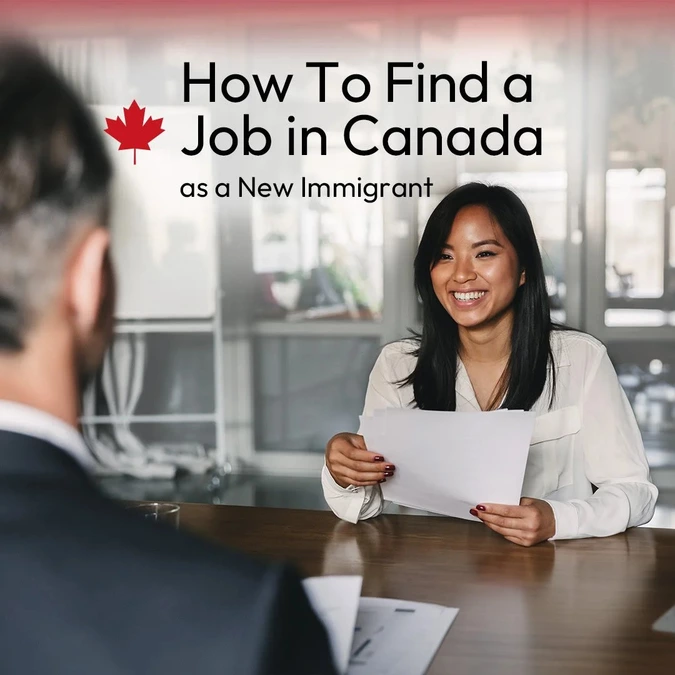
Applying for jobs in Canada can feel straightforward at first, but having the right documents ready can make a major difference in how smoothly the process goes. Employers in Canada often expect candidates to show proof of identity, work eligibility, education, and experience early in the hiring process. If you are preparing to start your search and want practical guidance on how to get a job in canada, it helps to understand exactly what paperwork you may need before you begin submitting applications.
Whether you are a Canadian resident, a permanent resident, or someone applying from abroad, being organised gives you an advantage. It saves time, reduces stress, and helps you respond quickly when a recruiter asks for supporting documents. In a competitive job market, that kind of preparedness can help you move from application to interview more efficiently.
In Canada, hiring managers often want to verify information quickly. They may ask for documents at the time of application, during interviews, or just before an offer is finalised. If you are not ready, even a strong application can stall. Missing paperwork can also create confusion about your eligibility, especially if a role has legal or regulatory requirements.
Preparing documents in advance also helps you present yourself more professionally. It shows that you understand the process and can handle administrative responsibilities. For many employers, that counts as a positive first impression.
Your resume is usually the first document an employer reviews. It should be tailored to the specific role and written in a clear Canadian style. Include your contact details, work history, education, relevant skills, and accomplishments. Keep it concise and accurate. If you are applying for roles in Canada, spelling, formatting, and job titles should be easy for local recruiters to understand.
Although not always required, a cover letter is still useful for many applications. It allows you to explain why you are interested in the role and how your background fits the position. A strong cover letter can be especially helpful if you are changing industries, returning to work, or moving to Canada from another country.
Employers may request a piece of identification to confirm your identity. A passport, driver’s licence, or provincial ID card is commonly used. If you are applying from outside Canada, a passport is often the most important identity document to have ready.
This is one of the most important items. Canadian employers need to know whether you are legally allowed to work. Depending on your status, this may include a permanent resident card, work permit, citizenship proof, or other immigration documentation. If you are not yet eligible to work, some employers may still consider you, but many will want this clarified early.
Many roles ask for evidence of education, especially if the position requires a degree or post-secondary training. Keep copies of diplomas, certificates, and transcripts ready. If your education was completed outside Canada, you may also need an educational credential assessment, particularly for regulated professions or roles with formal academic requirements.
Some jobs in Canada require specific licences or certifications. This is common in healthcare, trades, finance, education, engineering, and safety-related fields. Examples include trade certificates, first aid training, financial designations, or provincial professional registrations. Before applying, check whether the job posting mentions mandatory credentials.
Canadian employers often ask for professional references later in the hiring process. Prepare a list of former managers, supervisors, or colleagues who can speak about your work. Include their name, job title, company, email address, and phone number. Always ask permission before listing someone as a reference.
Some employers may request proof of previous employment, especially if the job requires several years of experience. A reference letter, employment verification letter, or pay records may be useful. These documents can help confirm your job titles, dates of employment, and key responsibilities.
If you are not already in Canada, your immigration status matters. Employers may want to know whether you need sponsorship or whether you already have the right to work. If you have a work permit, study permit with work permission, permanent residence confirmation, or another immigration document, keep it accessible and current.
For candidates with international education, a credential assessment can help employers understand how your qualifications compare in Canada. This is not required for every job, but it can be valuable for regulated occupations or roles where formal education matters. It can also strengthen your application by making your background easier to evaluate.
Depending on the job, employers may ask for extra paperwork. These are not needed for every application, but it is smart to know what may come up.
It helps to create a simple digital folder with clearly named files. For example, use names such as “Resume,” “Cover Letter,” “Passport,” “Work Permit,” and “Degree Certificate.” This makes it easier to upload documents quickly when filling out online applications.
It is also wise to keep scanned copies in PDF format. PDFs are professional, easy to open, and less likely to lose formatting. Make sure your scans are clear, readable, and up to date. If a file is blurry or incomplete, it can create delays.
For privacy, avoid sharing sensitive documents unless the employer has asked for them and the request seems legitimate. During early application stages, many employers only need a resume and cover letter. More private documents are usually requested later in the process.
One common mistake is applying before checking whether you meet the job’s legal or professional requirements. Another is sending outdated documents, such as an old resume with a missing job or an expired work permit. It is also important not to assume every employer needs the same documents. Read the job posting carefully and prepare only what is relevant unless additional items are requested.
Applicants sometimes forget to match the name on their documents with the name on their application. If your legal name differs from the name you use professionally, make sure there is no confusion. Consistency helps employers verify your details without unnecessary back-and-forth.
Before you start applying, review every file and make sure it is current. Confirm that your resume reflects the role you want, your references are informed, and your work eligibility documents are valid. If you are applying from abroad, think ahead about whether the employer may need clarification on your status or qualifications.
Being prepared with the right documents does not guarantee a job, but it does remove avoidable barriers. It helps you apply faster, respond more confidently, and present yourself as organised and ready for work in Canada.
Knowing what documents you need before applying to Canada roles can save time and improve your chances of making a strong impression. The most important items usually include a tailored resume, cover letter, identification, proof of work eligibility, education records, references, and any role-specific licences or certifications. If you are applying from outside Canada, immigration and credential documents may also be necessary. By preparing these items in advance, you place yourself in a better position to handle applications smoothly and professionally.
Start with your resume, cover letter, government-issued ID, and proof that you are eligible to work in Canada. These are the most commonly requested documents.
No, but many employers still value one. A cover letter can help explain your interest in the role and highlight relevant experience.
Yes, many employers accept applications from abroad. However, you should be clear about your work eligibility and whether you will need sponsorship or a permit.
If your documents are in another language, employers or licensing bodies may ask for certified translations. This is especially common for immigration, education, or professional registration purposes.
Not usually. Only send what the employer asks for. In most cases, a resume and cover letter are enough at the start, with other documents requested later.
Keep them in a secure digital folder with clear file names and PDF copies where possible. This makes it easier to apply quickly and stay organised.
That is fine for many jobs, but you may need to provide extra context such as credential assessments, translations, or proof of work eligibility depending on the role.



Comment