Alerts

-
7 minutes, 4 seconds
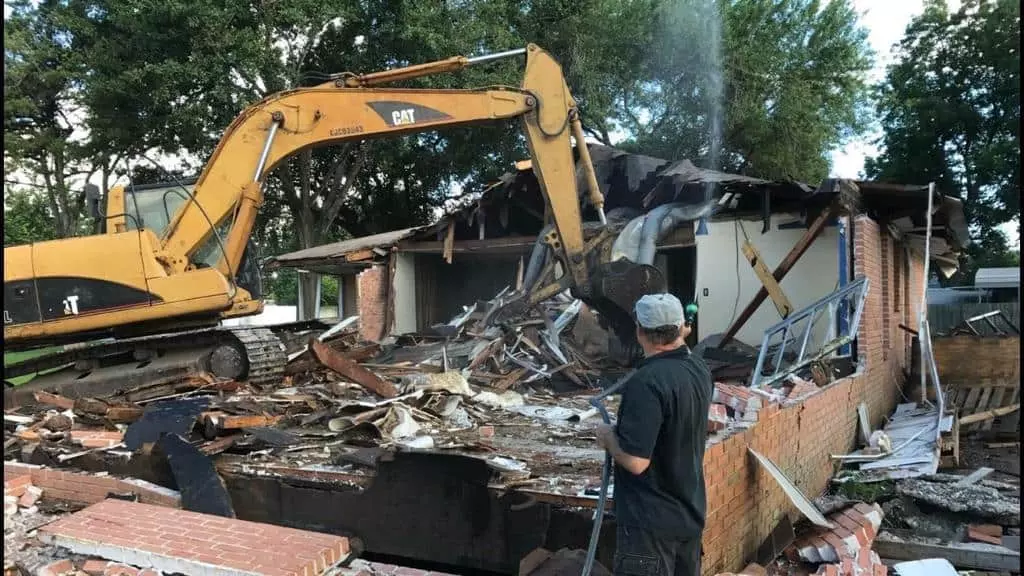
Demolition is often the first major step when an old structure needs to be removed before renovation, redevelopment, or new construction. Professional DFW demolition services can involve much more than simply tearing down a building. Depending on the property and project goals, the work may include planning, utility coordination, structural removal, concrete demolition, debris hauling, cleanup, and site preparation. Experienced contractors assess the property before selecting equipment and demolition methods. A carefully organized process helps create a safer work environment and leaves the property ready for whatever comes next.
The exact scope of demolition depends on the type of structure and the property's future use. Residential projects may involve removing houses, garages, sheds, additions, or other detached structures, while commercial projects can involve larger buildings, warehouses, offices, and retail spaces. Selective DFW demolition services may focus on specific portions of a structure rather than removing everything. Concrete removal can also be included when driveways, patios, foundations, slabs, or other hard surfaces need to be taken out. Professional contractors generally tailor the scope to the site's physical conditions and the owner's development plans.
A proper demolition project normally begins with an assessment of the structure and surrounding property. Contractors consider access for machinery, nearby buildings, utility connections, structural conditions, and the amount of debris expected after removal. They also determine whether special materials or site conditions require additional planning. This assessment helps establish the equipment, labor, and sequence needed for controlled demolition. A detailed scope before work begins can reduce confusion and help property owners understand what the quoted service includes.
Residential demolition is commonly required when an outdated, severely damaged, or unwanted structure needs to be removed completely. Heavy equipment such as excavators and loaders may be used to dismantle the building in a controlled sequence. The resulting materials are collected and transported away according to the project's disposal plan. After the structure has been removed, the site may need additional cleanup, grading, or preparation for a replacement home. The process should be planned around nearby homes, fences, driveways, landscaping, and other improvements.
Commercial demolition can involve significantly larger structures and more complicated logistics. Warehouses, offices, retail buildings, and other commercial properties may require careful equipment positioning and coordination with surrounding businesses or traffic areas. Contractors may divide the work into phases to maintain better control over the site. Utility coordination, debris management, access restrictions, and project scheduling can become especially important on commercial jobs. A well-planned approach helps minimize unnecessary disruption while keeping the demolition process organized.
Not every demolition project requires an entire building to be removed. Interior demolition is commonly used during renovations when specific walls, flooring, ceilings, fixtures, cabinets, or other components need to be taken out. Selective demolition allows portions of a structure to remain while targeted areas are removed. This requires careful planning because crews must protect structural components and finishes that are not part of the demolition scope. The work can therefore require a different approach from full structural teardown.
Selective demolition is particularly useful when an existing building will be remodeled rather than replaced. Contractors may remove outdated interior elements while preserving the main structure for the next construction phase. Dust, debris, equipment movement, and protection of remaining areas must all be considered. Clear communication between the property owner, demolition contractor, and other construction professionals can help define exactly what should be removed. A precise scope reduces the risk of unnecessary damage to components that are intended to remain.
Concrete demolition is another common component of professional demolition work. Old foundations, slabs, sidewalks, patios, driveways, retaining structures, and other concrete features may need to be removed before redevelopment. Hydraulic breakers, excavators, loaders, and other attachments can be used depending on the thickness and location of the material. Once broken apart, concrete can be loaded for hauling, processing, or recycling where appropriate. Removing these hard surfaces can create the open working area needed for future construction.
Pool demolition can also require specialized planning because removing the visible structure is only part of the process. Depending on the project, portions or all of an existing pool may be removed before the area is backfilled and compacted. The finished surface may then require grading or additional preparation for landscaping or construction. Contractors should explain the proposed removal and fill process before beginning. The property's future use is important because a space intended for new construction may require different preparation than an area that will become landscaping.
Demolition naturally produces substantial amounts of material, making debris management an important part of the service. Wood, concrete, metal, roofing materials, fixtures, and other components may need to be separated, loaded, hauled, or processed. Some materials may be suitable for recycling or reuse, while others require disposal through appropriate facilities. A contractor should explain whether hauling and disposal are included in the project estimate. This information helps property owners understand the complete cost and avoid surprises after the structure has been removed.
Site cleanup goes beyond simply taking debris away. After demolition, the contractor may need to remove remaining materials, clean accessible areas, and prepare the property for its next phase. Depending on the project scope, additional grading or site preparation may be required after debris removal. A clean and organized site gives builders, excavators, landscapers, or other professionals better access to begin their work. Planning the handoff between demolition and the next phase can make the overall project more efficient.
Demolition and excavation frequently work together when a property is being prepared for redevelopment. Once a structure, slab, or unwanted improvement has been removed, the ground may need to be dug, graded, or reshaped for the next construction stage. Excavation services dfw tx can include foundation excavation, trenching, drainage work, building pads, and other earthwork depending on the project. Coordinating these services can reduce delays between demolition and site preparation. It also allows the property's future use to influence how the demolition area is left.
For example, a new building may require old foundations and buried materials to be removed before excavation begins. A replacement driveway may need old pavement demolished before the subgrade is prepared. Drainage improvements can also require both demolition and excavation when existing structures interfere with planned drainage routes. Discussing these requirements before demolition begins helps contractors understand what the finished site needs to accomplish. This forward-looking approach can reduce unnecessary work and improve the transition into construction.
Safety planning is an essential part of professional demolition. Structures can contain unstable components, electrical systems, plumbing, gas connections, heavy materials, and other hazards that require careful handling. Contractors must also consider nearby buildings, roads, pedestrians, workers, and property boundaries. Depending on the municipality and project, permits and other approvals may be required before demolition starts. Requirements can vary across the DFW region, so property owners should confirm the rules applicable to their specific location.
Utility coordination is another important part of preparation. Water, electricity, gas, and other services may need to be disconnected or otherwise addressed before structural removal begins. The contractor should identify potential hazards during the site assessment and establish a controlled demolition plan. Proper planning helps reduce risks while keeping equipment and workers organized. Property owners should ask questions about permits, utility coordination, debris disposal, and site protection before approving the project.
When comparing demolition contractors, property owners should look beyond the basic price. Experience with similar structures, equipment capabilities, safety procedures, debris management, communication, and project scope are all important considerations. A contractor should be willing to inspect the property and explain how the proposed method fits the site. Written estimates should clearly identify demolition work, hauling, disposal, cleanup, and any additional site preparation included. A transparent scope makes it easier to understand what will happen from the initial teardown through final cleanup.
The right demolition approach depends on the structure, property conditions, and plans for the site afterward. Professional DFW demolition services can cover complete building removal, selective demolition, concrete and pool removal, debris hauling, and preparation for redevelopment. When these services are properly coordinated with excavation and other site work, the property can move more smoothly toward its next stage. Careful planning, experienced equipment operators, responsible debris handling, and clear communication are the foundations of an organized demolition project.




Comment