
-
8 minutes, 3 seconds
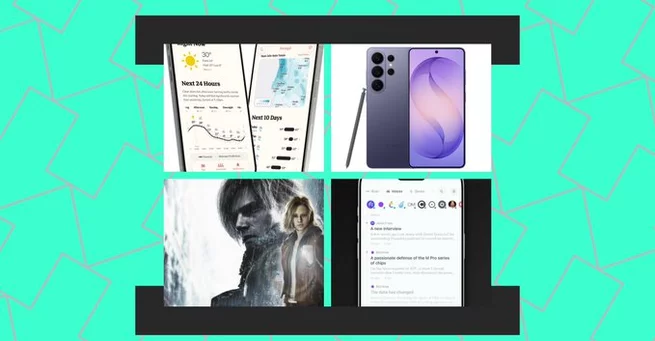
Weather app revival is trending again, and many users are asking the same question: is there finally a true replacement for the beloved Dark Sky? A newly resurfaced app is reigniting nostalgia among longtime fans who have struggled to find accurate, beautifully designed weather tools since the original disappeared. With smarter forecasts, modern design, and cross-platform support, this comeback is already generating buzz across the tech world. For users tired of cluttered weather apps, this return could mark a major turning point.
Few apps built the loyal following that Dark Sky did before its acquisition by Apple. Known for hyperlocal forecasts and real-time rain alerts, the app set a standard that many competitors failed to match. After its shutdown, users were left searching for alternatives that could replicate the same level of precision and elegance. While Apple integrated some features into its own weather ecosystem, fans often felt something was missing.
This lingering gap is exactly why any new contender entering the space instantly captures attention. Weather apps are among the most frequently used tools on smartphones, making accuracy and usability critical factors. The emotional attachment users have to trusted weather tools shows just how deeply daily tech habits can shape loyalty.
The newly revived weather app — often mentioned alongside the name Acme Weather — aims to fill that long-standing void. Built with a clean interface and rich data visualizations, the app blends nostalgia with modern functionality. Early impressions suggest it focuses heavily on clarity, offering forecasts that are easy to interpret at a glance. Instead of overwhelming users with charts and menus, it prioritizes simplicity.
What makes this revival interesting is its balance between old and new. It leans into the minimalist charm that made Dark Sky popular while adding smarter data integration and smoother animations. For users overwhelmed by ad-heavy weather apps, this streamlined approach feels refreshing.
The weather app landscape has changed dramatically over the past few years. Artificial intelligence, improved radar systems, and hyperlocal data have reshaped how forecasts are delivered. Many modern apps now rely on predictive modeling that analyzes millions of data points in real time. This means forecasts are not only more accurate but also more personalized.
Another noticeable shift is the emphasis on design. Today’s users expect apps to feel fast, intuitive, and visually appealing. Weather apps are no longer just utilities — they’re experiences. That shift explains why the revival of a design-first weather app resonates so strongly with users craving simplicity.
The renewed interest in third-party weather tools could create subtle pressure for companies like Apple to continue improving their built-in offerings. While Apple’s native weather app has improved significantly, the rise of niche alternatives proves there’s still demand for specialized experiences. Competition often drives innovation, and this comeback might spark new features across the ecosystem.
At the same time, independent developers may feel encouraged to invest more in niche apps again. The success of a revived weather app signals that thoughtfully designed tools can still thrive in a crowded app market. Users are clearly willing to explore alternatives when they offer meaningful value.
Beyond the weather app revival, the week has been packed with major tech chatter — especially around new devices from Samsung. Early launches from the brand are already setting the tone for the smartphone market this year. As manufacturers experiment with new designs and features, competition across the Android ecosystem continues to intensify.
This broader context matters because it highlights how fast-moving the consumer tech cycle has become. From phones and apps to streaming and software, trends now shift rapidly. A single product launch or app comeback can dominate headlines almost overnight.
One reason this weather app revival is gaining traction is nostalgia. Users are increasingly drawn to products that remind them of simpler digital experiences. Whether it’s retro UI design or revived software concepts, familiarity carries powerful emotional weight. Tech companies are beginning to recognize this and are leaning into it strategically.
Nostalgia-driven innovation isn’t just about recreating the past. Instead, it’s about blending beloved ideas with modern capabilities. When done right, it creates products that feel both familiar and exciting — a rare combination in today’s saturated app ecosystem.
For anyone still searching for a reliable Dark Sky alternative, this revival is worth watching closely. Early feedback suggests it delivers accurate forecasts while staying true to the minimalist spirit users loved. While it may not completely replicate the original experience, it represents one of the most promising attempts in years.
Ultimately, the renewed interest in weather apps highlights a larger trend: users want tools that feel personal and purposeful. As the app continues to evolve, it may not just fill a nostalgic void — it could redefine expectations for weather apps in the modern era.
The return of a beloved-style weather app might seem like a niche story, but it reflects bigger shifts in consumer tech. People are becoming more selective about the apps they use daily, prioritizing quality over quantity. In an era dominated by massive platforms, smaller, focused tools are quietly regaining relevance.
If this revival succeeds, it could inspire a wave of thoughtful software comebacks across categories. For now, one thing is clear: the weather app revival has tapped into something powerful — a mix of nostalgia, innovation, and the timeless need to know whether it’s going to rain.

2.5K articles

1.4K articles

34 articles

28 articles










Comment