
Alerts
-
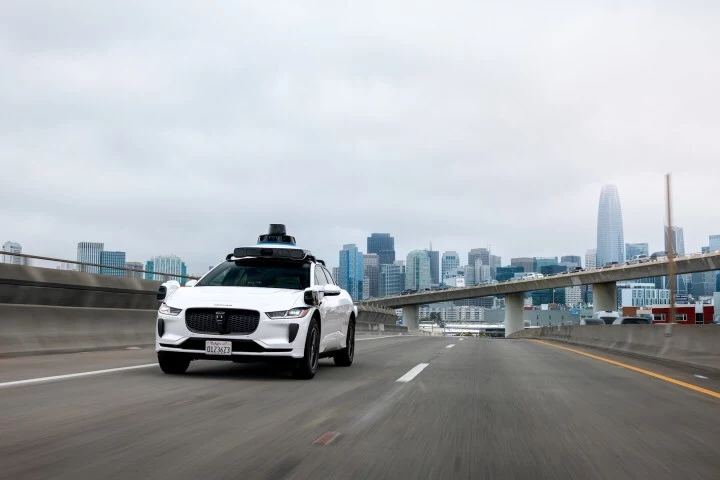
Waymo is slowly reintroducing freeway routes across its service area after pausing them more than two months ago due to performance issues near construction zones. The company announced on X (formerly Twitter) that it would begin with Phoenix, its first driverless ride-hailing market, followed by Los Angeles and the San Francisco Bay Area in the coming days. A Waymo spokesperson told TechCrunch that the rollout will extend to all current markets.
In May, Waymo abruptly halted freeway operations after riders reported issues. The company stated it needed to improve robotaxi performance in construction zones. Weeks later, Waymo voluntarily recalled nearly 4,000 robotaxis after identifying at least 13 incidents where vehicles drove into highway sections closed for construction. According to a June filing with the National Highway Traffic Safety Administration (NHTSA), no injuries or collisions were reported, but the temporary restriction was deemed necessary.
To resolve the issues, Waymo implemented software updates focused on enhanced scene recognition and routing. These improvements allow the autonomous system to better detect and navigate around construction zones, traffic cones, flares, and temporary barriers. The company noted that it is "resuming freeway operations across its entire service area, including areas with construction."
The freeway pause comes amid heightened regulatory scrutiny of robotaxi operators. Incidents involving autonomous vehicles blocking emergency responders, driving into active crime scenes, and failing to recognize safety signals have sparked concern. Earlier this week, Rep. Kevin Mullin (D-Calif.) proposed a bill directing federal regulators to establish minimum national safety standards for autonomous vehicles.
This was Waymo's sixth recall of its robotaxis. Previous recalls addressed software flaws that caused vehicles to drive into flooded roads or behave illegally near school buses. Each recall has led to over-the-air updates rather than physical repairs, reflecting the software-driven nature of autonomous systems.
Waymo began offering freeway robotaxi rides in San Francisco, Phoenix, and Los Angeles in November 2025, aiming to attract riders with shorter commute times and faster airport access. The service later expanded to Miami. When freeway options disappeared suddenly in May, riders expressed frustration on social media. The gradual restart is expected to restore confidence and meet growing demand for autonomous highway travel.
As Waymo navigates both technical and regulatory challenges, the resumption of freeway routes marks a critical step toward scalable autonomous ride-hailing services. The company remains focused on safety, transparency, and compliance as it competes in the rapidly evolving robotaxi market.










Comment