Alerts

-
3 minutes, 0 seconds
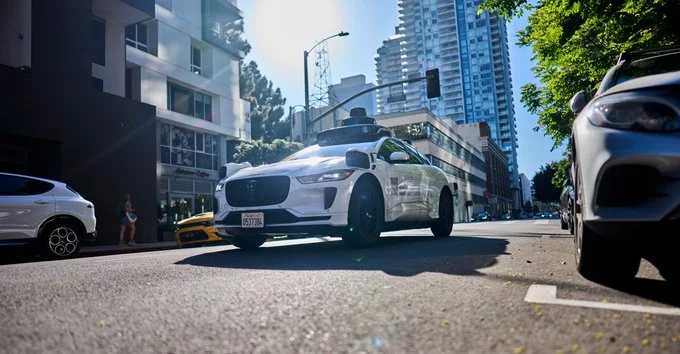
A Waymo robotaxi reportedly pulled itself over and summoned police after detecting that its passengers were carrying a ghost gun. According to the source account, the vehicle made the decision autonomously, without a human safety driver intervening.
Rather than simply dropping the riders at their destination, the robotaxi stopped and contacted law enforcement. The incident illustrates how a self-driving car can act as both transport and witness.
Key details from the source:
The episode raises immediate questions about what a robotaxi senses inside its cabin, and what it does with that information. For passengers, the ride ended not at a curb of their choosing but in a police response.
The Waymo vehicle did not rely on a human driver to spot the weapon. Instead, its onboard sensor suite — the cameras, lidar, and radar that let the car navigate city streets — registered the ghost gun inside the cabin. Once the system flagged the weapon, the robotaxi responded on its own: it pulled the car over and stopped, then contacted law enforcement.
That sequence matters because it shows the vehicle was not merely driving. It was monitoring its own interior, interpreting what it saw, and making a decision to end the trip and summon police. The passenger did not ask for the stop, and no remote operator needed to intervene first.
For Waymo, the episode is a demonstration of how much the cars perceive — not just the road ahead, but the people riding inside. The same sensors that keep a robotaxi in its lane can also identify a firearm and trigger a call to authorities.
When the Waymo vehicle stopped and its hazard lights came on, the rider called 911 to report that they were being pulled over by a robotaxi. Officers arrived on the scene shortly after. During the stop, police searched the vehicle and discovered a ghost gun, an untraceable firearm that can be assembled at home.
The riders were arrested at the scene. According to reports, the arrest followed the discovery of the weapon inside the vehicle, and the incident escalated from a routine traffic-style stop into a criminal case. The San Francisco Police Department has not released the names of the individuals taken into custody.
The episode highlights how quickly a robotaxi interaction can turn into a police matter. Because the Waymo vehicle had already contacted its support team and stopped on its own, officers were able to respond to a stationary scene rather than a moving vehicle. The department confirmed that the arrest was made without further incident, and the investigation into the ghost gun remains ongoing.
The Waymo incident is a reminder that a robotaxi is not a private space. It is a sensor-laden vehicle that can observe, record, and act on what happens inside it. In this case, the car detected a ghost gun, pulled over, and contacted police, leading to an arrest.
That chain of events raises uncomfortable questions for riders. If a vehicle can flag a weapon, what else might it flag? The same cameras and microphones that make autonomous driving possible could turn every trip into a monitored one.
For now, the details of Waymo's detection and reporting policies remain unclear. But the event shows that robotaxis can and will snitch on passengers. Riders who assumed a driverless car offered anonymity may need to think again.










Comment