
Alerts
-
3 minutes, 26 seconds
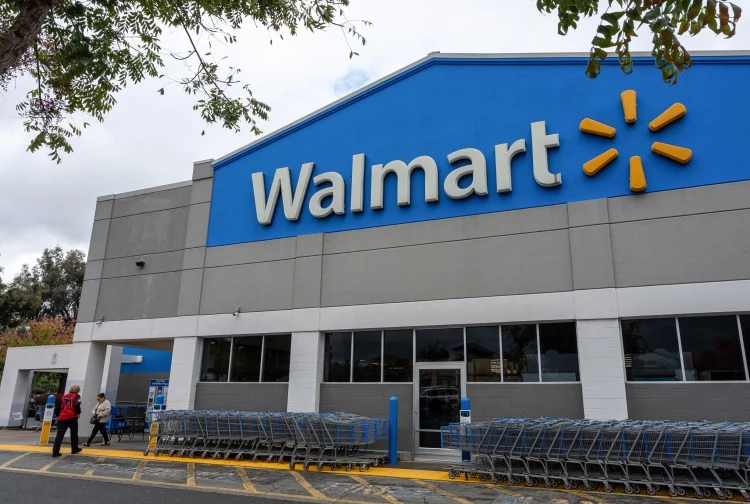
Starting August 24, Walmart and Sam's Club locations will begin accepting Apple Pay and Google Pay, ending the retailer's long-standing refusal to support these services. This change marks a significant shift in the company's payment strategy, which had previously relied exclusively on its own Walmart Pay system. For years, customers who preferred tapping their phones at checkout were forced to use the Walmart app instead. The upcoming rollout will allow shoppers at both warehouse clubs and supercenters to use their preferred digital wallets, aligning with a broader industry move toward contactless payments. While the company has not yet detailed whether the transition will be phased or immediate at all locations, the announcement confirms that the two major mobile payment platforms will finally be integrated into the checkout experience. This decision follows increasing consumer demand for more flexible payment options, especially as tap-to-pay usage has grown in recent years. For regular Walmart and Sam's Club shoppers, the change simplifies the payment process and removes a common point of friction at the register.
Despite the expansion of payment choices, Walmart is not abandoning its proprietary mobile wallet. The retailer will continue to offer Walmart Pay as a viable option for customers at checkout. This decision ensures that shoppers who have integrated the app into their routine can still use it without disruption.
The introduction of Apple Pay and Google Pay is framed as an addition rather than a replacement. By keeping Walmart Pay active, the company preserves its existing ecosystem, including features like digital receipts and integrated savings. This multi-wallet strategy provides flexibility, allowing customers to select the method that best suits their device and preferences.
Walmart’s approach means that the choice now lies with the consumer. Whether using a specialized store app or a standard mobile wallet, the checkout experience will accommodate both. The company appears committed to maintaining its own service while broadening access to popular alternatives, ensuring no single payment method is forced upon its shoppers.
For years, Walmart stood apart from most major retailers by refusing to accept Apple Pay and Google Pay at its registers. The primary sticking points were transaction fees and data access. Walmart disputed the fees that card networks and digital wallet providers charged for each tap-to-pay transaction, arguing they cut into its already thin grocery margins. Just as importantly, Walmart wanted to control the customer transaction data generated at the point of sale—data that Apple Pay and Google Pay would otherwise help route through their own systems.
Instead of compromising, the retailer aggressively pushed its own solution: Walmart Pay, integrated into the Walmart app. By tying payments to its app, Walmart could bypass third-party wallet fees entirely, keep valuable shopping data in-house, and drive customers into its broader ecosystem of loyalty programs and personalized offers. This strategy also gave Walmart direct insight into purchasing habits, which it used to tailor promotions and manage inventory. For over half a decade, the company treated its proprietary payment method as a competitive advantage, deliberately excluding rival wallets to steer users toward its own platform.
The move follows a broader trend of retailers accepting tap-to-pay, with Walmart being one of the last major holdouts. For years, the retail giant resisted contactless payments, citing interchange fees and a desire to push its own mobile payment system. Its stance became increasingly isolated as competitors—from grocery chains to big-box stores—embraced near-field communication (NFC) technology for its speed and convenience.
Industry data shows that tap-to-pay usage has surged since the pandemic, making it a standard expectation among consumers. While Walmart’s adoption of Apple Pay and Google Pay brings it in line with industry norms, the company has not announced plans to support other digital wallets like Samsung Pay. This selective approach suggests the retailer is still keen to maintain some control over the payment experience, even as it opens its doors to the two most widely used contactless options.










Comment