Alerts

-
5 minutes, 34 seconds
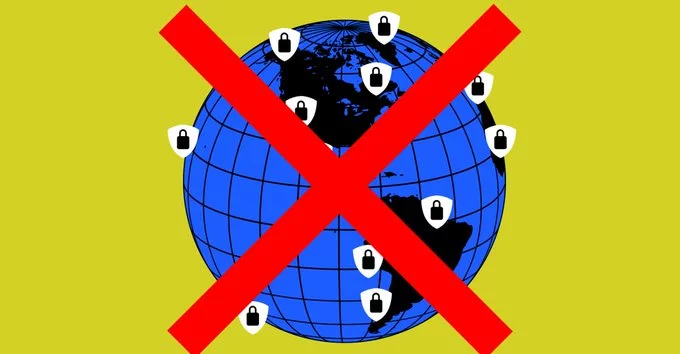
Online age checks are quickly becoming standard across websites, but many users are now asking a bigger question: will VPNs be the next target? Lawmakers pushing stricter age verification rules are increasingly concerned that virtual private networks (VPNs) could bypass these systems. As a result, discussions around a potential VPN crackdown are gaining traction. For everyday users, this raises serious concerns about privacy, access, and how the internet may change in the near future.
Governments around the world have accelerated efforts to enforce age verification laws, particularly to protect minors from harmful or adult content online. These systems require users to confirm their identity or age before accessing certain platforms, often using ID verification, facial recognition, or third-party authentication tools.
Supporters argue that these measures are necessary in an increasingly digital world where children have easy access to unrestricted content. At the same time, critics warn that collecting sensitive personal data introduces new risks, including data breaches and surveillance concerns. Despite the debate, adoption continues to grow, with more platforms integrating age checks into their user experience.
VPNs allow users to mask their location and browse the internet anonymously, which can easily bypass region-based restrictions and verification systems. This has made them a popular tool not just for privacy-conscious users, but also for those looking to avoid age checks.
Lawmakers see this as a major loophole. If users can simply switch their location to avoid verification requirements, the effectiveness of these laws becomes questionable. As a result, policymakers are now exploring ways to limit or regulate VPN usage in connection with age-restricted content.
Discussions about regulating VPNs are no longer hypothetical. Some lawmakers are considering policies that would restrict access to VPN services or require platforms to detect and block VPN traffic. Others are exploring stricter compliance requirements for VPN providers themselves.
These proposals are controversial. Privacy advocates argue that VPNs are essential tools for secure communication, especially in regions where internet freedom is limited. Restricting them could have unintended consequences, including reduced online security for journalists, activists, and everyday users.
At the same time, governments face pressure to ensure that age verification laws are effective. This tension between enforcement and privacy is shaping the next phase of internet regulation.
The potential VPN crackdown highlights a broader issue: how much privacy are users willing to give up for online safety? Age verification systems already require personal data, and limiting VPN access could further reduce anonymity online.
Experts warn that combining strict age checks with VPN restrictions could create a more controlled internet environment. This raises concerns about surveillance, data misuse, and the erosion of digital rights. For many users, VPNs represent one of the last tools available to maintain a degree of online privacy.
If VPN crackdowns move forward, the impact could be felt across multiple aspects of daily internet use. Streaming access, secure browsing, and even workplace communication tools could be affected. Users who rely on VPNs for safety—especially on public networks—may find fewer options available.
At the same time, platforms may need to invest in more advanced detection systems, potentially increasing costs and complexity. This could lead to stricter controls, slower access, or additional verification steps for users.
The debate over VPN crackdowns and age verification is far from settled. Lawmakers, tech companies, and privacy advocates are all shaping what comes next. What’s clear is that the internet is entering a new phase where identity verification and regulation play a larger role than ever before.
For users, staying informed will be key. Changes could happen quickly, and the balance between safety and privacy will continue to evolve. Whether VPNs remain widely accessible or become restricted tools may ultimately define the future of online freedom.










Comment