
-
7 minutes, 9 seconds
Nintendo’s infamous Virtual Boy is back, but not in the way fans expected. The retro oddity has resurfaced as a new accessory for the Switch, reviving curiosity about whether the failed 1995 console finally deserves redemption. For many searching “Is Virtual Boy back?” or “Can you play Virtual Boy on Switch?”, the answer is yes — but the experience may still be as uncomfortable as ever. Nostalgia drives interest, yet practicality remains a serious question.
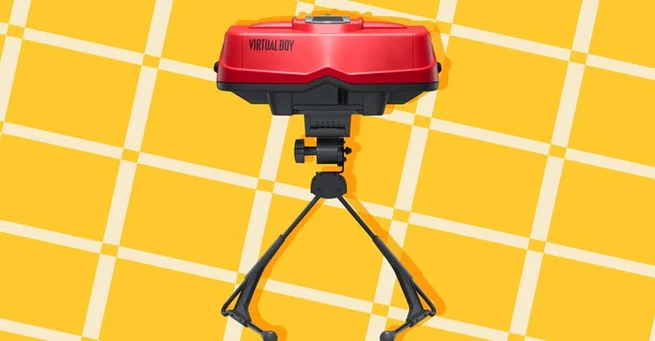
The original Nintendo Virtual Boy launched in 1995 with big ambitions but limited success. Marketed as a futuristic 3D gaming system, it resembled a VR headset but wasn’t truly immersive. Players had to peer into a bulky visor mounted on a stand, creating an awkward and restrictive setup. Its signature red-and-black visuals became iconic — but also widely criticized for causing eye strain and discomfort.
Commercially, the console struggled almost immediately. A lack of strong games and uncomfortable hardware limited its appeal, resulting in fewer than two dozen titles. Within a year, the Virtual Boy was discontinued, cementing its reputation as Nintendo’s biggest hardware failure. Over time, however, its rarity transformed it into a collector’s curiosity rather than a forgotten mistake.
Fast-forward to 2026, and the Virtual Boy has unexpectedly resurfaced on the Nintendo Switch. Nintendo added classic Virtual Boy titles to its retro library, giving players access through subscription services. But unlike most retro releases, this one comes with a twist — you need a dedicated accessory to fully recreate the experience.
The accessory mimics the original hardware’s viewing style, recreating that distinctive stereoscopic effect. While this authenticity may excite hardcore retro fans, it also raises a familiar issue: comfort. Much like the original device, using the accessory requires positioning your face close to the viewer for extended periods, which can quickly become physically tiring.
Early impressions suggest the revived experience stays true to its roots — for better and worse. The novelty factor is undeniable, especially for longtime fans curious about gaming history. However, recreating the exact feel of the original hardware means inheriting its biggest flaws. Eye strain and neck fatigue remain common concerns, especially during longer play sessions.
That authenticity may appeal to collectors and enthusiasts, but casual gamers could find it impractical. Modern players are used to flexible, ergonomic gaming setups. Compared to today’s comfortable handheld and VR experiences, the Virtual Boy revival feels more like a museum piece than a daily driver.
Bringing back the Virtual Boy fits into a broader pattern of Nintendo embracing its legacy. The company has increasingly leaned into nostalgia-driven releases, reviving retro titles and hardware concepts. Reintroducing this infamous device sparks conversation and reinforces Nintendo’s reputation for experimentation.
There’s also a strategic angle. Retro gaming continues to grow, fueled by collectors and younger audiences discovering older consoles for the first time. By reviving one of its strangest experiments, Nintendo taps into curiosity and cultural memory. Even if the accessory remains niche, it keeps the brand’s history alive in a memorable way.
Despite the buzz, the revived Virtual Boy experience clearly targets a narrow audience. Hardcore collectors and longtime Nintendo fans are the most likely buyers. For them, the accessory offers a chance to experience gaming history firsthand, complete with all its quirks and imperfections.
Casual players may struggle to justify the cost or discomfort. With so many modern gaming options available, investing in a novelty accessory feels less compelling unless nostalgia is a primary motivator. That divide highlights a key reality: this release is more about preservation and fandom than mainstream appeal.
Reintroducing the Virtual Boy is bold, but it doesn’t necessarily mean widespread success. The accessory serves as both a tribute and a reminder of how far gaming hardware has evolved. It showcases Nintendo’s willingness to revisit its past, even the parts that didn’t quite work.
For players curious about gaming history, the revival offers a rare opportunity to experience one of the industry’s most unusual chapters. But for those seeking comfort or practicality, the novelty may wear off quickly. Just like in 1995, the Virtual Boy remains fascinating — and a little uncomfortable.
The return of the Virtual Boy proves that even gaming’s biggest flops can find new life decades later. By bringing the experience to modern hardware, Nintendo blends nostalgia with experimentation once again. Yet the same traits that made the original memorable still linger, shaping how today’s players perceive it.
Ultimately, this comeback feels less like a reinvention and more like a time capsule. The Virtual Boy’s revival may not win over the masses, but it succeeds in doing something arguably more valuable — reminding gamers how weird and wonderful innovation can be.

2.5K articles

1.3K articles

34 articles

28 articles













Comment