
Alerts
-
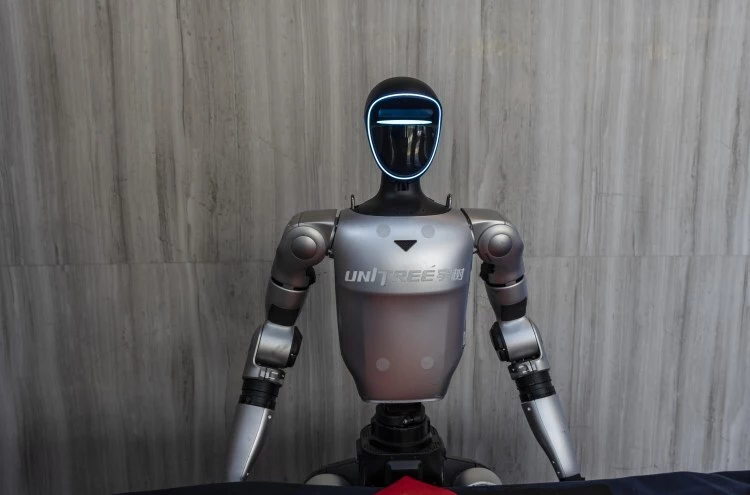
The US Federal Communications Commission (FCC) has issued a sweeping ban on advanced robotic devices and power inverters manufactured in foreign countries, with significant implications for Chinese tech companies. The ban, announced July 28, 2026, targets mobile robots including humanoid and quadruped models, but also extends to any machine meeting the commission's broad definition.
While the FCC claims the ban is not country-specific, it will disproportionately affect China, a global leader in humanoid robot production. Companies like Unitree—known for viral videos of robots dancing to Michael Jackson and appearing on America's Got Talent—face export restrictions. Meanwhile, Tesla has shifted focus from its Model S and Model X vehicles to the Optimus humanoid robot production.
The ban also covers power inverters used in solar panels and renewable energy systems. China is home to the world's top inverter producers, including Sungrow and the already-blacklisted Huawei. The FCC cites "unacceptable risks to national security" as the basis for the restriction.
The FCC's FAQ page defines an advanced robotic device as a machine that:
This definition is broad enough to encompass future robot vacuums, which would automatically be banned unless they obtain a waiver. The FCC's National Security Determination references The Verge's reporting on security flaws in DJI's Romo robovac.
Companies can request waivers to continue importing new products into the US. However, the waiver application does not require security improvements for the robots or inverters. Instead, applicants must provide a detailed plan to manufacture these devices in the United States. According to Reuters, the FCC is expected to exempt many non-Chinese suppliers from the restrictions.
Current robots and inverters already in the US are not subject to the ban. The FCC allows security and compatibility updates through January 1, 2029 via an additional waiver. Yet the agency has been criticized for misleading the public—companies are not required to notify the FCC when pushing security updates to their devices.
This ban follows a pattern of US restrictions on foreign tech, such as the earlier ban on foreign-made routers. The focus remains on the design and manufacturing origin of devices, with the goal of reducing reliance on China's supply chain. For the robotics industry, especially in humanoid and autonomous systems, the new rules could delay innovation and increase costs for US consumers.










Comment